 Pin
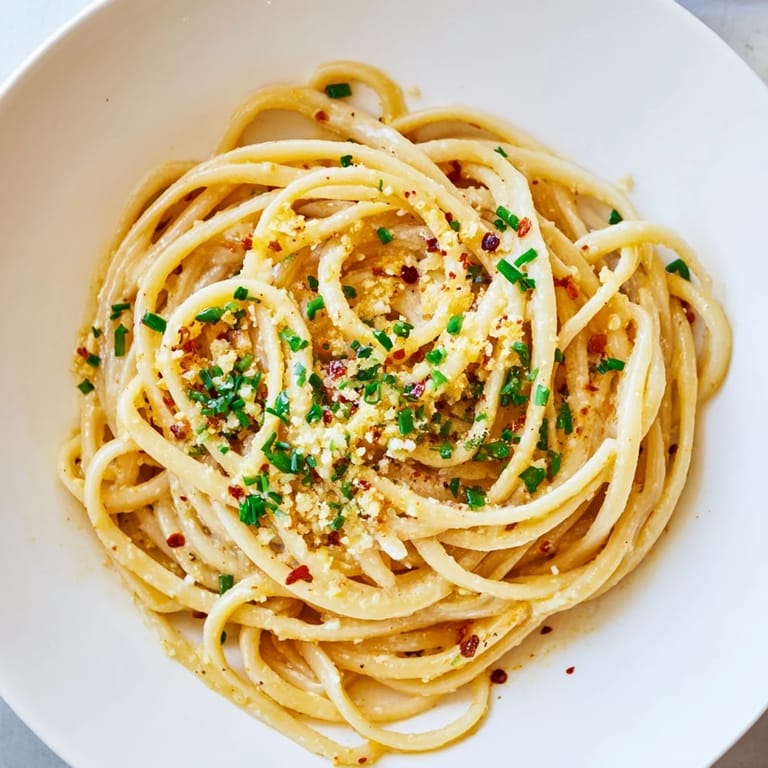
Pin There's something about the smell of garlic hitting hot oil that makes you stop whatever you're doing. I discovered this miso butter pasta on a quiet Tuesday night when I had nothing but a box of spaghetti, some miso I'd been hoarding, and the kind of hunger that doesn't want complexity. One bowl later, I understood why this simple fusion exists—it's the kind of dish that feels both entirely new and somehow familiar.
I made this for my roommate on a night when they came home exhausted from work, and I watched their whole demeanor shift after the first bite. That's when I realized this pasta wasn't just quick—it was the kind of generous thing you cook for someone when words aren't enough.
Ingredients
- Spaghetti or linguine (350g): The thinner strands catch the miso butter better than thicker shapes, but use what you have—the sauce isn't fussy.
- Unsalted butter (60g): Softened butter combines with miso like old friends meeting again, creating something richer than either could be alone.
- White miso paste (2 tbsp): This is where the magic lives; it's savory without being salty, and it whispers rather than shouts.
- Extra-virgin olive oil (2 tbsp): Good olive oil matters here because it carries the garlic's voice through the whole dish.
- Garlic (4 cloves, minced): Don't let it brown or it turns bitter—you want it golden and fragrant, almost demure in the pan.
- Black pepper (1 tsp freshly ground): Fresh ground makes a noticeable difference; the one from the tin just sits there.
- Red pepper flakes (1/4 tsp optional): A tiny spark of heat for those who want it, leaving no trace if you skip it.
- Parmesan cheese (40g grated): The final layer of salty richness that brings everything into focus.
- Fresh chives or scallions (2 tbsp chopped): These aren't decoration—they're a bright interruption that keeps the dish from feeling heavy.
- Lemon wedges: A squeeze at the end lifts everything, like opening a window in a warm room.
Tired of Takeout? 🥡
Get 10 meals you can make faster than delivery arrives. Seriously.
One email. No spam. Unsubscribe anytime.
Instructions
- Set your water to boiling:
- Salt it generously—it should taste like the sea. This is your only seasoning for the pasta itself, so don't be timid about it.
- Cook the pasta to al dente:
- Check it a minute before the package says; you want it with the slightest resistance to your bite. Reserve a full cup of that starchy water before you drain.
- Make your miso butter while pasta cooks:
- In a small bowl, stir softened butter and miso together until you can't see any streaks. This step takes two minutes and changes everything.
- Sauté the garlic gently:
- Warm oil in a large skillet, add minced garlic, and let it wake up for just a minute or two—the moment it smells sweet rather than sharp, you're there. Watch it so it never browns.
- Add the miso butter on low heat:
- Drop it into the warm oil and let it melt slowly, stirring until it's silky and combined. This is patient cooking; rushing it breaks the emulsion.
- Toss the pasta and build the sauce:
- Add your drained pasta to the skillet and turn it constantly, adding pasta water a splash at a time. You're creating a light glaze that clings to each strand, not a soup.
- Season and finish:
- Stir in fresh pepper and red pepper flakes if you're using them. Toss in most of the Parmesan, saving some for the plate, and taste as you go.
- Serve immediately:
- Divide into bowls, top with the remaining cheese and bright green chives, and hand someone a lemon wedge so they can adjust the brightness to their taste.
 Pin
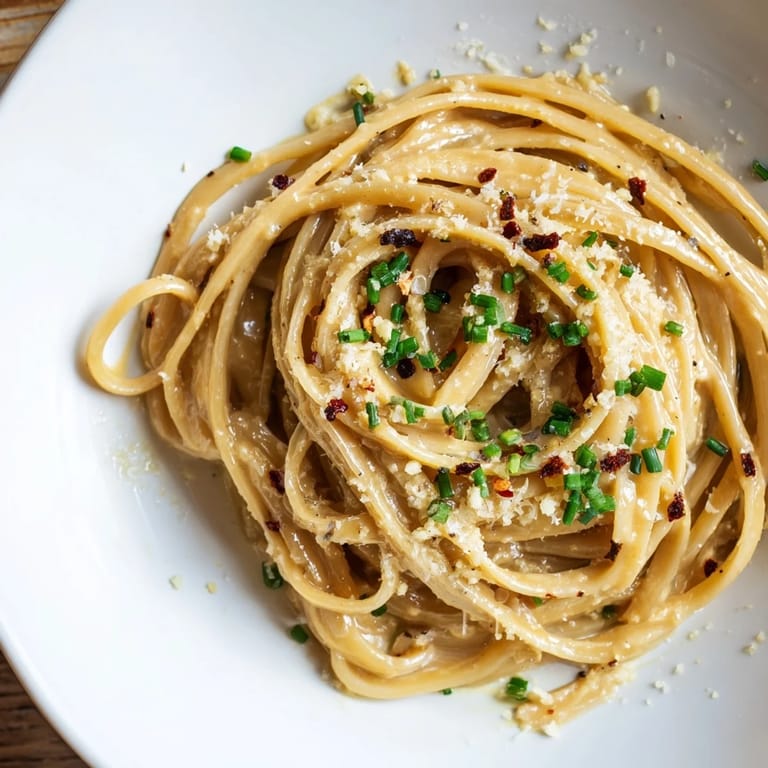
Pin I made this the morning after I'd returned from visiting my grandmother, who taught me that good food is how you say what you're feeling when you can't find the words. This dish carries that same quiet intention—it doesn't demand attention, but it doesn't let you ignore it either.
Why This Works as Dinner
There's a sweet spot in weeknight cooking where a meal tastes like you spent hours on it but you actually spent minutes. This is that meal. The miso brings the complexity, the pasta provides the comfort, and the whole thing comes together in the time it takes your water to boil. It's the kind of food that makes you feel capable in the kitchen without needing a degree in culinary arts.
Variations That Actually Work
I've tossed in sautéed mushrooms on nights when I wanted something meatier, wilted spinach when I wanted to feel virtuous, and once, a handful of toasted breadcrumbs that added a texture nobody expected but everyone appreciated. Each version tastes like the original recipe grew up and learned something new. The sauce is forgiving enough to carry whatever vegetables or proteins you want to sneak in, as long as you remember that miso is already salty and savory—you're building on top of that, not starting from scratch.
The Small Details That Matter
Cooking this taught me that fusion cuisine works best when both sides of it show up whole and honest. The miso doesn't pretend to be Italian, the pasta doesn't try to be Japanese, and somehow together they make perfect sense. The lemon is crucial because citrus against umami is a conversation that never gets old. And if you're cooking for someone, watch their face on that first bite—that moment is worth every minute you spent getting it right.
- Freshly ground pepper tastes nothing like pre-ground, and here it's not hidden, so it matters.
- If your miso butter looks separated or grainy, you overheated it; start over with cool butter and lower heat.
- Taste the pasta water before you use it in the sauce; if you over-salted, go easy with additional seasoning.
 Pin
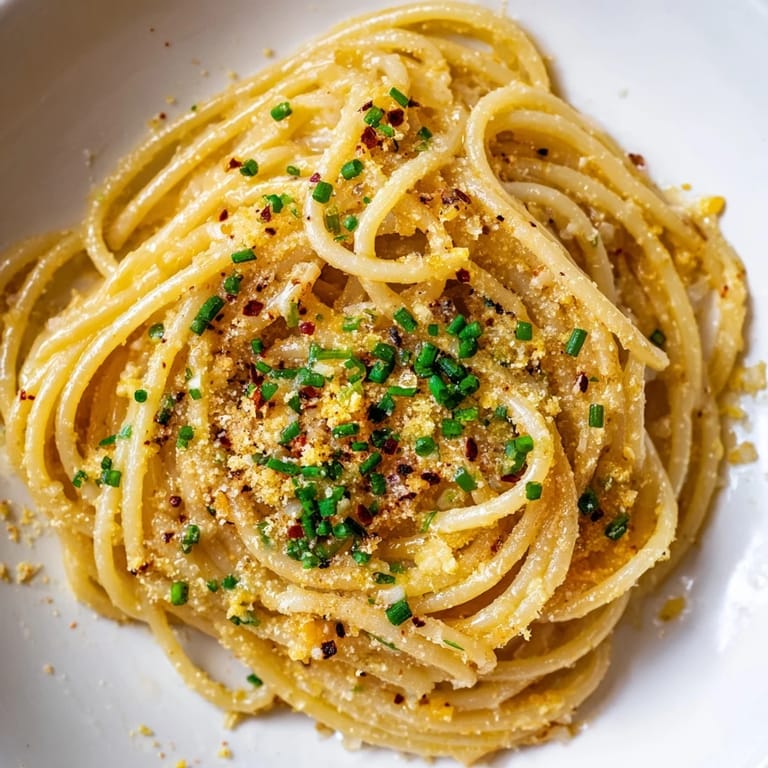
Pin This pasta taught me that sometimes the simplest meals are the ones people remember. Make it once and you'll have it forever.
Recipe FAQ
- → What type of pasta works best?
Spaghetti or linguine are ideal for absorbing the rich miso butter sauce without overwhelming the delicate flavors.
- → Can I make the sauce vegan?
Yes, substitute unsalted butter with plant-based butter and swap Parmesan for nutritional yeast to maintain umami depth.
- → What’s the role of reserved pasta water?
Adding reserved pasta water helps the sauce cling smoothly to the noodles, creating a silky texture.
- → How can I add extra vegetables?
Try sautéed mushrooms, wilted spinach, or steamed broccoli for added nutrition and flavor variety.
- → Are there any common allergens?
This dish contains wheat, milk, and soy, so check ingredient labels carefully if allergies are a concern.