 Pin
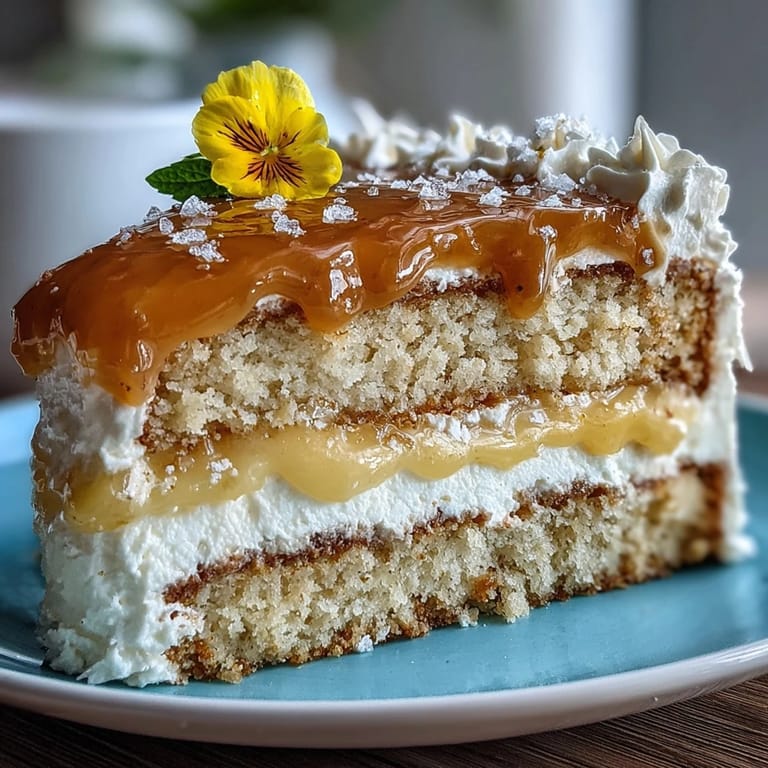
Pin Some desserts really invite the sunlight into your kitchen, and this Mother's Day lemon curd layer cake does just that. Last spring, I found myself coaxed into making something bright and showstopping for a family gathering—flowers were just starting to push up outside, and I remember the scent of fresh lemon zest slowly filling my workspace. What started as a practical need to use up a few stray lemons somehow led to arranging edible blooms on a cloud of whipped cream. I didn't expect the decorating to be so much fun, but my hands ended up sticky with lemon curd and joy by the end. The whole cake looked like it belonged right in a garden party when I finished it.
One Sunday, as we set the table for brunch, my youngest niece peeked over the counter just to steal a look at the finished cake. She pointed at the edible pansies and asked if she could eat “the purple ones” before anyone else, and we both giggled over our “secret” garden atop the frosting. It’s become a little tradition to let the kids pick their favorite blossoms before slicing in.
Ingredients
- All-purpose flour: Choose a good-quality flour for a tender, even crumb—measure it carefully for the lightest cake.
- Baking powder and baking soda: Both leaveners work together here to help the layers rise without heaviness.
- Salt: Just a touch deepens flavor—don't skip it, even in sweets.
- Unsalted butter: Creaming softened butter ensures fluffiness; be patient and let it reach room temp for best results.
- Granulated sugar: The foundation of sweetness and structure; beat it with butter until you see a pale, airy mix.
- Eggs: Room temperature eggs blend more smoothly into batter for stable cake layers.
- Lemon zest: The fine yellow peel packs more aromatic punch than juice alone—zest only the bright part, never bitter white.
- Fresh lemon juice: Brightens every bite; squeeze it yourself for pure, lively flavor without bitterness.
- Vanilla extract: Adds warmth and rounds out the lemon's sharpness—real extract makes a difference.
- Whole milk: Keeps the sponge moist; warming it slightly (just to room temperature) helps your batter blend evenly.
- Lemon curd ingredients (eggs, sugar, lemon zest, lemon juice, butter): Stir constantly when thickening—nothing worse than surprise scrambled eggs in your curd.
- Heavy cream: Cold cream whips faster and more reliably; chill your bowl and beaters for cloud-like frosting.
- Powdered sugar: Sweetens and stabilizes the whipped cream without grittiness.
- Edible flowers: Only use blooms you can trust are food-safe, and add just before serving for freshest color.
Tired of Takeout? 🥡
Get 10 meals you can make faster than delivery arrives. Seriously.
One email. No spam. Unsubscribe anytime.
Instructions
- Prepare the pans:
- Grease and line three 8-inch cake pans with parchment, letting the circles hug every bit of the bottom. This way, the layers pop out clean after baking and cooling.
- Mix the dry ingredients:
- Combine flour, baking powder, baking soda, and salt, and whisk until blended—the kitchen starts smelling faintly of wheat as you toss everything together.
- Cream the butter and sugar:
- Put soft butter and sugar in your largest bowl and beat at medium speed until the color turns almost white; you’ll hear the mixer hum and see the texture get fluffy.
- Add eggs and flavor:
- Beat in eggs one by one, then pour in the lemon zest, juice, and vanilla—the scent at this stage is pure sunshine.
- Combine with dry mix and milk:
- Add the flour mixture and milk alternately, starting and ending with flour, stirring gently and stopping when just mixed for tenderness.
- Bake the cake:
- Divide the batter evenly between pans, smooth the tops, and bake until golden with centers that bounce back—25 to 28 minutes should do it.
- Cool the cakes:
- Let them rest in the pans for 10 minutes, then turn onto racks; your kitchen will fill with a sweet, lemony aroma as they cool.
- Make the lemon curd:
- Whisk eggs, sugar, lemon zest, and juice in a saucepan and cook slowly, stirring until it's glossy and thick; take off heat and add butter until melted and silky, then chill with plastic wrap pressed onto the surface.
- Whip the frosting:
- Whip cream, powdered sugar, and vanilla until stiff peaks form—it should look cloudlike and hold its shape.
- Assemble and decorate:
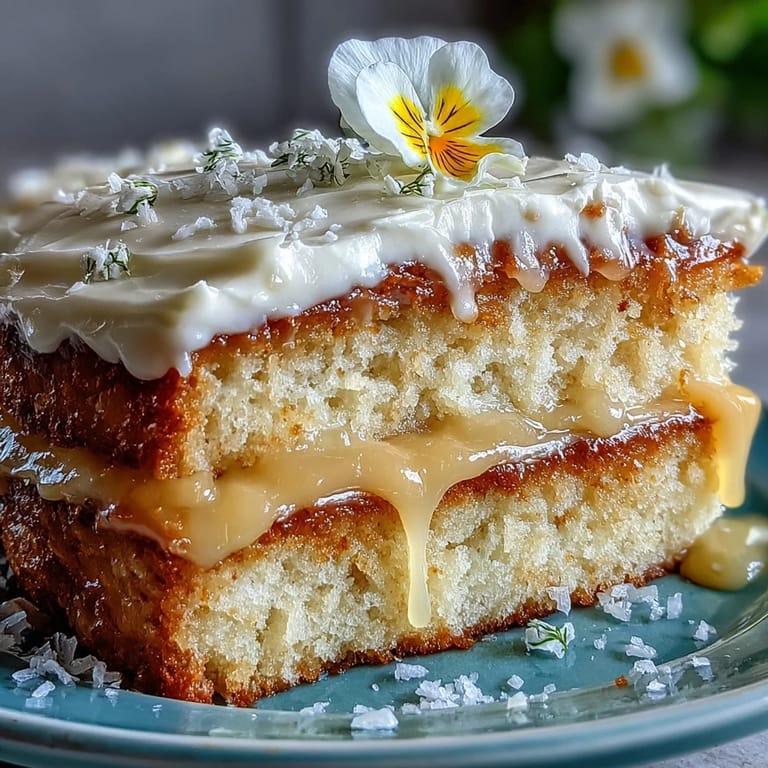
- Layer cake rounds with whipped cream and lemon curd, cover the whole cake with cream, and arrange edible flowers just before serving for a fresh, delicate finish.
 Pin
Pin After the first slice disappeared, my mom put her fork down and simply said, This tastes like spring at its brightest. That moment—watching everyone savor each forkful—made all the flour-dusted counters feel worth it.
Secrets to a Showstopping Finish
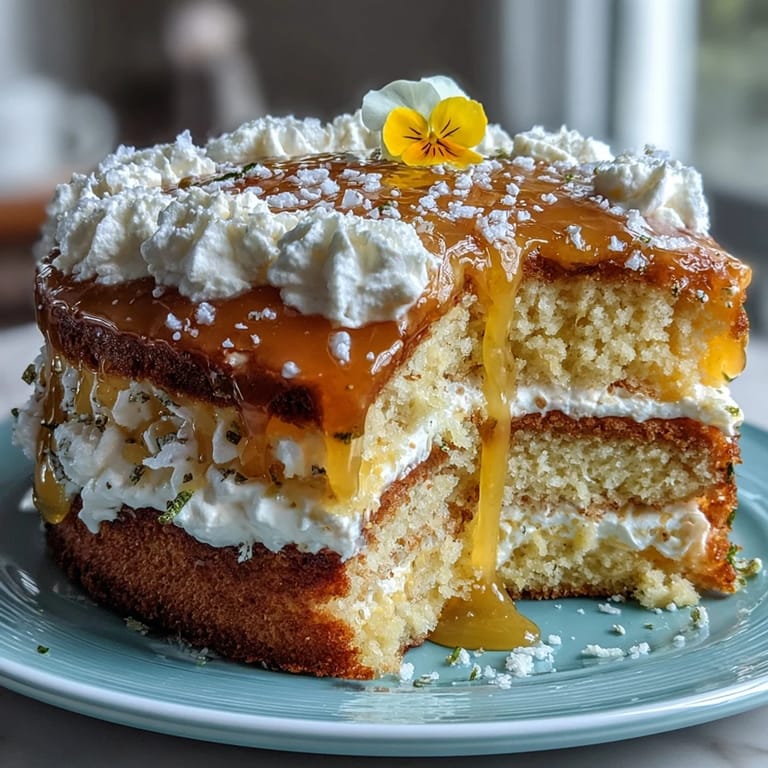
Choosing vibrant, varied edible flowers instantly elevates the presentation, but placing them thoughtfully is key. I like to gently press the larger ones into the frosting at the edges and tuck smaller blossoms in between, as if scattering wildflowers across a meadow—try to leave some white space for a more elegant look.
Make Ahead and Storage Advice
I’ve learned this cake is best when the lemon curd and sponge are made the day before so everything has time to chill and firm up. Assembling too far ahead, though, can make the whipped cream soften or the flowers wilt, so keep those steps for the big day.
Flower Safety & Flavor Pairings
Edible flowers shouldn’t just look pretty—make sure you know their origin and that they’re pesticide free. Pansies have a mild sweetness, while nasturtiums lend a faint peppery note; pairing them with zippy lemon keeps every bite balanced.
- Wash and pat flowers dry before using.
- Scatter petals for a softer effect, or leave blooms whole for bold color.
- Always assemble the floral topping just before serving for max freshness.
 Pin
Pin This cake is best shared in good company and sunshine—each delicate forkful is a celebration in itself. Happy baking and even happier eating!
Recipe FAQ
- → How do I prevent the lemon curd from curdling?
Cook the curd over medium-low heat and stir constantly. Remove from heat as soon as it thickens and coats the back of a spoon. Straining the curd through a fine mesh ensures a silky texture and removes any coagulated bits.
- → Can I make the components ahead of time?
Yes. Bake the layers and chill them wrapped tightly. Make the lemon curd a day ahead, press plastic against the surface to prevent skinning, and keep chilled. Assemble on the day for best texture and appearance.
- → How can I keep whipped cream stable for decorating?
Chill the bowl and beaters, use cold heavy cream, and beat to stiff peaks. For added stability, fold in a small amount of mascarpone or stabilized whipped cream powder, or lightly bloom gelatin and whisk in while cool.
- → Which edible flowers are best and safe to use?
Choose food-grade pansies, violas, nasturtiums, or rose petals from a trusted source. Ensure flowers are pesticide-free and clearly labeled edible; rinse gently and add them just before serving to preserve freshness.
- → Tips for getting even cake layers?
Weigh or divide the batter evenly among pans, tap to release air, and rotate pans if your oven bakes unevenly. Trim domes once cooled for level stacking, and use an offset spatula to distribute curd and frosting evenly between layers.
- → What substitutions work for dietary restrictions?
For dairy-free options, try plant-based butter and coconut or oat cream, though texture will vary. Egg-free curd substitutes are limited; consider a lemon curd-style curd made with corn starch and plant milk, and note that structure will differ from the original.