 Pin
Pin You know you're in for a good day when your kitchen smells gently floury, a bit earthy, and a little sweet thanks to cabbage and onion. I wasn't planning to fall for vegetable pierogi on a rainy weekday night, but a near-empty fridge and a craving for something both comforting and frugal had me piecing together leftovers into dough pockets. As I pinched the seams closed, my phone buzzed with a message from a friend describing their grandmother's pierogi assembly line. It made me laugh at how universal this act of filling and folding can be, even when you're just cooking for yourself. That first taste was pure golabki–meets-dumpling satisfaction: rich, soft, and soothing, but lighter than I'd expected.
The first time I made a double batch of these for friends, we put on a playlist and soon flour dusted every surface. Someone tried to rush the dough, and our wonkiest pierogi ended up being the tastiest ones, probably thanks to all the laughter at our clumsy technique. By the end, even skeptics who claimed not to be 'dumpling people' had seconds, insisting they were perfect with sour cream and chives. Now, whenever people ask about low-cost crowd-pleasers, these are my go-to story and recipe rolled into one.
Ingredients
- All-purpose flour: A simple flour gives the pierogi dough its elasticity—don’t skimp on the kneading, that’s where the plush texture develops.
- Salt: Just half a teaspoon in the dough, but it’s essential for flavor—don’t forget to salt the potato water, either.
- Warm water: Warm (not hot) water makes the dough come together tenderly; if it’s too cold or too hot, you’ll notice it getting either tough or sticky.
- Vegetable oil: This keeps the dough supple and also adds a bit of richness to the filling—a double agent in your recipe arsenal.
- Potato: Goes fluffy and soft when boiled and mashed, bulking up the filling with gentle sweetness that makes the dumplings extra satisfying.
- Onion: Chopped finely and cooked until golden, it’s the base-note for everything else—don’t rush it, as sweetness blooms with patience.
- Carrot: Grated finely, it brings a touch of color and a hint of sweetness that brightens the whole mixture.
- Cabbage: No need for fancy savoy—just a handful of shredded plain cabbage gives body and a faint crunch after sautéing.
- Frozen peas: Toss them straight from the freezer, and they’ll perk up in minutes, adding bursts of color and subtle sweetness.
- Butter or oil (for serving): Browning the pierogi after boiling takes them from good to great; if you’re making it vegan, go with oil and never look back.
- Fresh parsley or chives: These take just seconds to chop and sprinkle but make each plate look like spring, no matter the season.
- Sour cream: Tangy and creamy, it’s the classic finishing dip, but don’t sweat it if you prefer a plant-based alternative—it’s accommodating like that.
Tired of Takeout? 🥡
Get 10 meals you can make faster than delivery arrives. Seriously.
One email. No spam. Unsubscribe anytime.
Instructions
- Mix and Knead the Dough:
- Combine your flour and salt, pour the water and oil into the well, and mix until shaggy. Keep kneading until smooth while chatting or daydreaming—the dough will forgive a bit of clumsiness.
- Cook the Potato:
- Bring diced potatoes to a gentle boil in salted water and mash them up once they’re soft—listen for the comforting clunk of the spoon.
- Sauté the Veggies:
- Sizzle onions in oil until they smell sweet, add carrot, cabbage, and peas, and let them soften, stirring in the mashed potato at the end until it all melds together.
- Roll Out the Dough:
- Sprinkle some flour on the counter and roll the dough thinly—you’ll notice it change from sticky to supple under your hands.
- Cut and Fill:
- Grab a glass or cutter and press out circles, then plop a spoon of filling in each; it gets easier after a few tries, even if stuffing oozes out.
- Seal the Pierogi:
- Fold them into half moons, then pinch the edges tight—you might even find your own signature crimp as you go.
- Boil Until They Bob:
- Gently simmer batches of pierogi, watching for them to float as a sign they’re ready—lifting them out feels like fishing up little treasures.
- Sauté for Crunch (Optional):
- Heat butter or oil in a skillet and let the cooked pierogi sizzle until golden on each side, relishing the crackling sound.
- Serve Hot:
- Top with herbs and maybe a dollop of sour cream—stand back and admire your handiwork before digging in.
 Pin
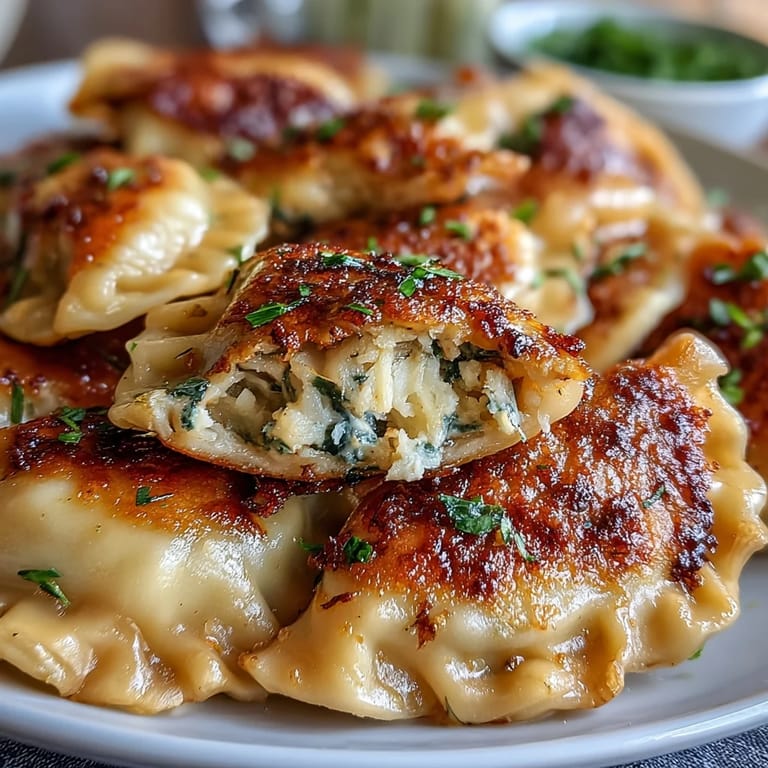
Pin Sitting down with a plateful, I remembered the time my partner wandered into the kitchen lured by the sound of pierogi crackling in the skillet. Without waiting for a fork, we split one hot from the pan—burning our tongues a little, but not caring at all. It felt like a mini-celebration, proof that budget dinners can be every bit as soul-soothing as grand feasts.
What Happens If You Get Creative With Fillings
I once stirred in leftover roasted mushrooms and even some crumbled feta into half the batch, and it was a happy accident. This recipe invites playful swaps: the base is humble enough for fridge-foraging, and you’ll rarely go wrong. Just remember to keep your mix not too wet, or the dumplings might burst during boiling.
Making Pierogi Ahead of Time
Pierogi are one of those rare homemade treats that freeze perfectly—just dust them lightly with flour, layer on a tray, and freeze before boiling. Later, you can cook them straight from frozen, adding a minute or two to the boiling time. A freezer stash means you’re never far from a quick, satisfying meal—midnight snacks have never looked so wholesome.
Serving & Shortcuts For Busy Days
When I’m short on time, I skip the pan-frying and eat them straight from the pot with nothing but black pepper and parsley, and it’s fantastic. Or, try tossing them in garlicky oil for a little extra flair—they’ll still be weekday-friendly. If you’re making just a few, a wine glass works as a dough cutter.
- If your dough feels sticky, just add a dusting of flour while rolling.
- Try adding a pinch of smoked paprika to the filling for a new twist.
- Don’t overfill—too much stuffing makes sealing trickier.
 Pin
Pin Vegetable pierogi are proof that a little patience and a handful of simple ingredients can make a meal worth remembering. May your kitchen be filled with laughter and the scent of golden dumplings, no matter the weather outside.
Recipe FAQ
- → Can I use frozen vegetables for the filling?
Yes, you can substitute fresh vegetables with frozen ones. Just thaw and drain well to prevent excess moisture in the filling.
- → Is it possible to make the dough ahead of time?
The dough can be prepared a day in advance and refrigerated. Bring to room temperature before rolling out for the best results.
- → How do I prevent pierogi from opening while boiling?
Ensure edges are firmly pinched and sealed. Avoid overfilling, and press gently with a fork for extra security if needed.
- → Can pierogi be frozen for later?
Absolutely! Place assembled, uncooked dumplings on a tray to freeze, then transfer to a bag. Boil directly from frozen until they float.
- → What can I serve with vegetable pierogi?
They pair well with sour cream, fresh herbs, and a green salad. For a heartier meal, add sautéed mushrooms or crispy onions.
- → Are these suitable for a vegan diet?
Simply use oil instead of butter and a plant-based sour cream for serving to keep the dish fully vegan.