 Pin
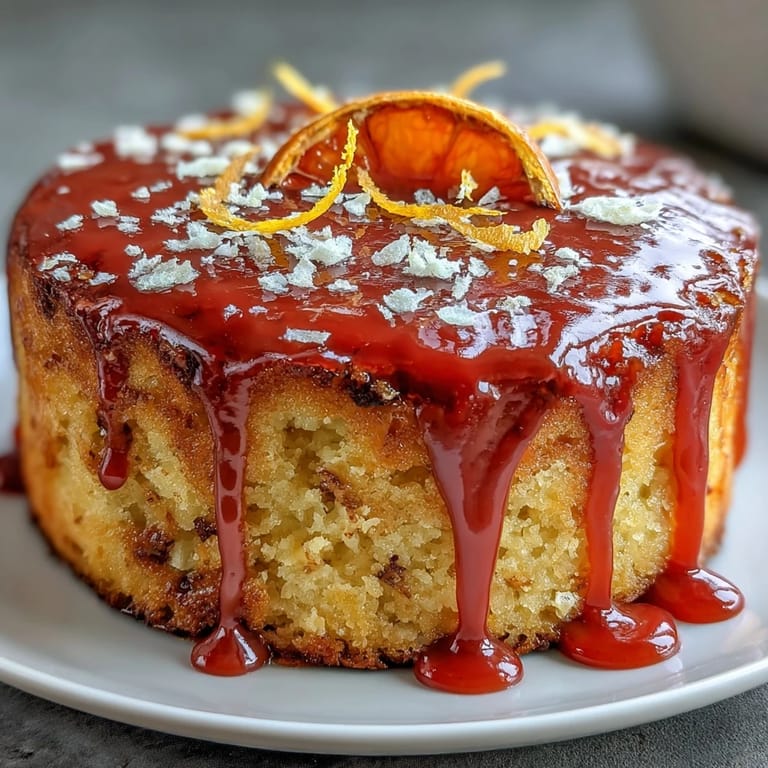
Pin The scent of blood oranges instantly brightens a dreary afternoon, and the first time I zested them for this cake, their ruby oils stained my fingertips a little. I’d been searching for a dessert that paired the nutty richness of almonds with something luminously fresh, and polenta cake, with its grainy golden crumb, was the answer hiding in plain sight. Mixing the batter felt soothing: the sweet, buttery aroma mixing with citrus zest was enough to put me in a better mood even before the baking began. I still remember being surprised at how bold the glaze’s color turned out—a dazzling pink that looked like something from a fairytale. There’s a certain kind of magic in a recipe that makes you pause just to admire it right out of the oven.
The very first time I made this cake for a Sunday lunch, I set it on the table without mentioning it was gluten-free. My cousin, usually suspicious of anything 'different,' reached for a second slice before I’d even served dessert to the rest of the family, a secret triumph I still laugh about.
Ingredients
- Unsalted butter: Using room temperature butter helps with creaming, and greasing the tin ensures no crumb is left behind.
- Caster sugar: Finer sugar dissolves quickly into the batter, making a tender cake.
- Large eggs: Bring to room temperature for a lighter, evenly textured crumb.
- Blood orange zest: The oils from fresh zest are key to the fragrance—rub them into the sugar for maximum flavor.
- Fine polenta (cornmeal): Choose fine polenta for a delicate, not gritty, texture that soaks up syrup beautifully.
- Ground almonds: Adds moistness and a soft, melt-in-the-mouth quality that’s hard to beat.
- Baking powder (gluten-free): Be sure it’s gluten-free to keep the cake suitable for everyone at the table.
- Pinch of salt: Just enough to amplify the sweet and citrusy notes.
- Blood orange juice: Squeeze your oranges right before using—bottled juice won’t offer the same brightness.
- Vanilla extract: Adds warmth and rounds out all that fruitiness into something utterly comforting.
- Powdered sugar: Sift for the smoothest glaze; clumps are the enemy of those pretty drips.
- Blood orange juice (for glaze): Strain it first to keep the glaze glossy and silky.
- Blood orange slices & edible flowers (optional): For drama and a touch of springtime, a scattering on top makes every slice look like a celebration.
Tired of Takeout? 🥡
Get 10 meals you can make faster than delivery arrives. Seriously.
One email. No spam. Unsubscribe anytime.
Instructions
- Prepare the pan:
- Grease your 20 cm round tin liberally with butter, then press parchment to the bottom. The smell of melting butter when the tin heats up is a little promise of what’s to come.
- Cream butter and sugar:
- Beat them together until they’re pale, fluffy, and almost doubled in size—if you close your eyes, the mixture will look almost like whipped cream.
- Incorporate eggs:
- Add the eggs one at a time, beating well and scraping down the bowl to keep everything silky and even.
- Add zest and vanilla:
- Fold in the blood orange zest and vanilla; the citrus scent bursts up at this point and always makes me smile.
- Mix dry ingredients:
- Combine the fine polenta, ground almonds, baking powder, and salt separately; there’s something cozy about whisking them together by hand.
- Combine wet and dry:
- Tip your dry mixture gently into the wet, stirring carefully until just incorporated (over-mixing can make it dense).
- Pour in blood orange juice:
- Add the juice and fold just until the batter looks uniform—bright flecks of zest showing through.
- Bake:
- Smooth the thick, yellow batter into your tin and bake for 40–45 minutes, until deeply golden and a tester comes out clean.
- Cool:
- Let the cake cool in the tin for 10 minutes; the sides pull away just so while it rests, then turn onto a rack to finish cooling.
- Make the glaze:
- Sift powdered sugar into a bowl and stir in blood orange juice, a little at a time, until the rosy glaze is thick but pourable.
- Decorate:
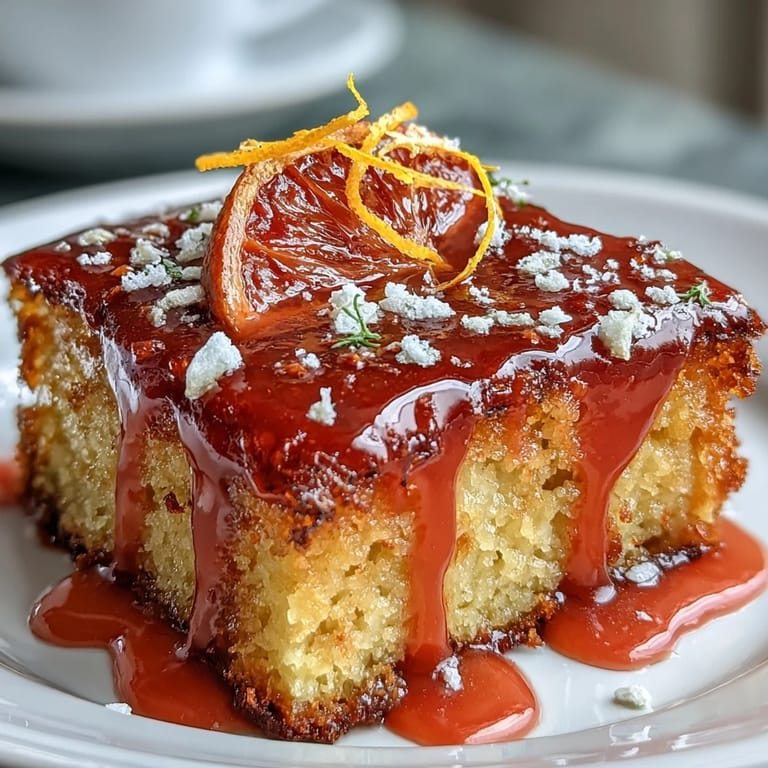
- Set the cake on a plate, drizzle generously with the pink glaze, and adorn with orange slices or flowers if you feel festive.
 Pin
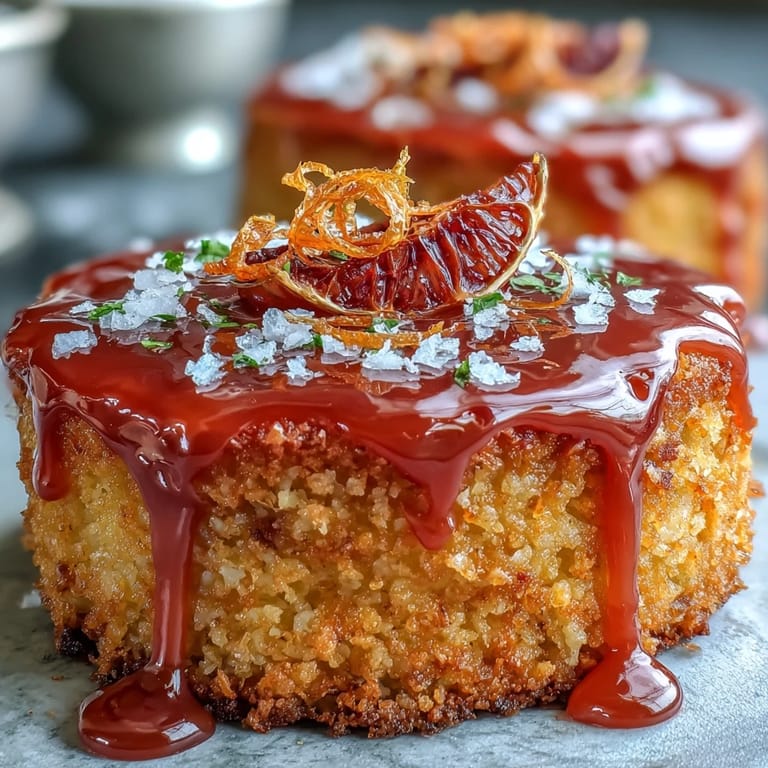
Pin Somehow, this cake ended up as the centerpiece of a birthday I hadn’t planned to celebrate—my kitchen filled with friends, laughter, and bright pink glaze splatters on every surface. Every slice served felt like handing out a little edible burst of cheer.
What Makes Blood Oranges So Special Here
I learned quickly that regular oranges just can’t compare to the rich tang and jewel-colored juice of blood oranges. Their floral, berry-like notes give the cake an unmistakable flavor and that unforgettable, almost glowing pink glaze.
How To Get That Perfect Texture
If you use coarse polenta, the cake might turn out heavy or gritty, so I stick with finely milled cornmeal. A gentle touch when folding in dry ingredients helps keep the crumb loose and moist rather than dense, and letting it cool fully avoids any gumminess.
Final Touches and Serving Tips
Decorating always feels like play—sometimes I use citrus curls or a scattering of edible petals, sometimes just a single slice of orange is enough for a crowd. The cake keeps beautifully, and I’ve learned it’s even better after a day covered at room temperature.
- Slice gently to preserve the glaze’s drips.
- A dollop of tangy yogurt makes each forkful sing.
- Bring the cake to room temperature before serving—it tastes brighter that way.
 Pin
Pin Every time I make this cake, I’m reminded that a few bold ingredients and a bit of color can turn any day into something worth celebrating. I hope it brings a rosy glow to your kitchen too.
Recipe FAQ
- → Can I substitute regular oranges for blood oranges?
Yes — regular oranges work for flavor, though the glaze will lose its distinctive pink hue. Adjust juice to taste and consider a little extra zest for brightness.
- → What type of polenta should I use?
Use fine polenta (cornmeal) for a tender crumb. Coarser polenta gives a more rustic texture but may be grainier in the cake.
- → How can I keep the cake moist?
Brush the warm cake with extra blood orange juice before glazing and avoid overbaking. Folding in the dry ingredients gently preserves air from creaming for a softer texture.
- → How should I store leftovers?
Store covered at room temperature for 1–2 days, or refrigerate up to 4 days. Bring to room temperature before serving; a brief warm-up enhances the citrus aroma.
- → Can I make this ahead of time?
Yes—bake and cool the cake, then store without glaze for up to 2 days. Glaze just before serving to retain the shine and color.
- → Any tips for glazing evenly?
Sift powdered sugar first, then add juice gradually until thick but pourable. Start with the center and let the glaze naturally drip toward the edges, using a spatula for gentle nudges if needed.