 Pin
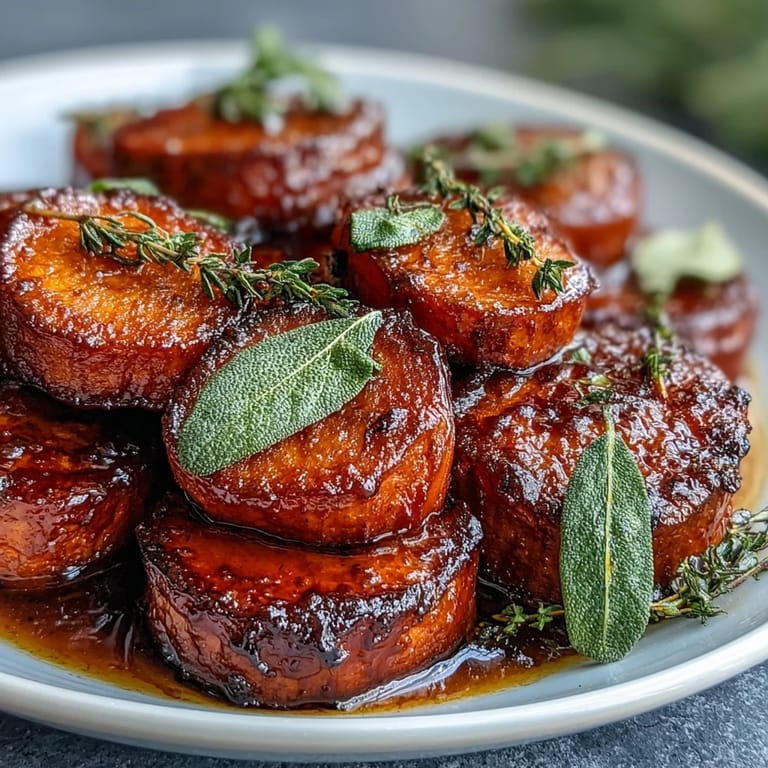
Pin My cousin brought candied yams to Thanksgiving one year, and I watched her pull them from the oven—the kitchen suddenly smelled like a forest of sage and caramelized butter that I didn't even know I was missing. She'd ditched the marshmallows and syrupy sweetness that had always felt cloying to me, replacing it with something that tasted grown-up and thoughtful. That dish became the reason I actually looked forward to the side table, and now I can't imagine the holiday without it. The magic isn't in following tradition blindly; it's in knowing when to gently break it.
I made this for a potluck where everyone brought something overly complicated, and I showed up with yams that looked humble until someone took a bite and their whole face changed. There's something satisfying about watching people realize that restraint and good ingredients beat fussiness every single time. That moment taught me more about cooking than any fancy technique ever could.
Ingredients
- Yams (3 pounds), peeled and cut into 1-inch rounds: The thickness matters here—too thin and they dissolve into the glaze, too thick and they won't cook through in the time you have.
- Unsalted butter (8 tablespoons): Don't skip the browning step; those nutty, caramelized milk solids are where the real flavor lives.
- Fresh sage leaves (10), chopped: Dried sage will turn bitter and dusty, so commit to fresh—it's worth the trip to find it.
- Packed light brown sugar (1/2 cup): The molasses in brown sugar gives a deeper sweetness than white, which pairs beautifully with the sage's earthiness.
- Pure maple syrup (1/4 cup): Real maple syrup, not the imitation stuff—the flavor difference is immediate and honest.
- Freshly squeezed orange juice (1/4 cup): Bottled juice works, but fresh juice adds brightness that cuts through all that richness.
- Ground cinnamon (1/2 teaspoon): Use it sparingly so the sage stays the star; this is supporting cast, not the main character.
- Ground nutmeg (1/4 teaspoon): A whisper of nutmeg is all you need to deepen the warm spice notes without overwhelming.
- Kosher salt (1/4 teaspoon): Salt isn't optional here—it balances the sweetness and makes the sage pop.
- Vanilla extract (1 teaspoon): Vanilla rounds out the glaze with a subtle sweetness that makes everything feel cohesive.
Tired of Takeout? 🥡
Get 10 meals you can make faster than delivery arrives. Seriously.
One email. No spam. Unsubscribe anytime.
Instructions
- Heat your oven and prep your dish:
- Set the oven to 375°F and grease a 9x13-inch baking dish lightly so the yams don't stick but the edges still caramelize.
- Layer those yams:
- Arrange the yam rounds in a single layer—they should fit snugly but not overlap, so each piece gets its turn in the glaze.
- Brown the butter until it smells like home:
- Melt the butter over medium heat and watch it carefully, swirling the pan so it browns evenly; you're listening for that nutty, toasted smell to tell you it's ready, which takes about 3 to 4 minutes. The moment it smells right, add the sage and let it sizzle for just 30 seconds—any longer and it loses its brightness.
- Build the glaze:
- Remove from heat and whisk in the brown sugar, maple syrup, orange juice, cinnamon, nutmeg, salt, and vanilla until everything dissolves and comes together. This is your moment to taste and adjust if something feels off to your palate.
- Coat the yams:
- Pour the glaze over the yams and toss gently to make sure every piece gets a turn in the liquid—don't be rough with them or they'll start breaking apart.
- Covered bake:
- Cover the dish tightly with foil and slide it into the oven for 30 minutes; the foil traps steam and keeps the yams tender while they cook through.
- Uncover and baste:
- Remove the foil, pour the pan juices back over everything with a spoon or baster, and bake uncovered for another 15 minutes so the glaze thickens and the yams start to caramelize at the edges. You'll know it's done when the yams are fork-tender and the sauce coats a spoon.
- Let it rest and serve:
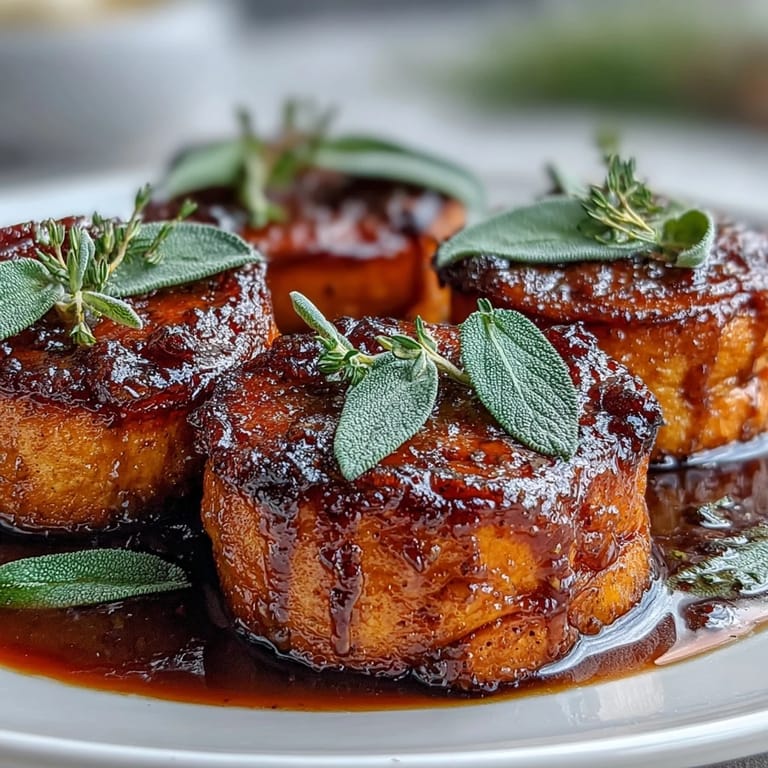
- Give it 5 minutes out of the oven before you serve—this lets everything settle so you're not pouring hot liquid onto someone's plate. Finish with a whisper of fresh sage if you want to show off a little.
 Pin
Pin A friend's daughter asked why these yams tasted different from what her grandmother made, and when I explained that fresh sage was the secret, she tasted it again with that knowledge and nodded like she understood something important. That's when I realized this dish teaches people to pay attention to the little things—the herbs, the quality of the butter, the small decisions that add up to something memorable.
The Brown Butter Moment
Brown butter feels like magic the first time you do it, and I'll admit I was nervous the first time I tried it for yams—worried I'd burn it or that it wouldn't work with something sweet. But the second that sage hit the pan and filled the air with that herbaceous, buttery aroma, I knew I'd been missing something in my cooking for years. It's one of those techniques that feels intimidating until you actually do it, and then it becomes automatic and reliable.
Why This Works for Any Gathering
This dish sits at this perfect intersection where it's fancy enough that people think you spent more time than you actually did, but simple enough that it doesn't demand perfection or stress you out during the chaos of cooking multiple things at once. It's also forgiving—if your timing is a little off, the yams will still taste good because the glaze is that robust. I've made it at small family dinners and big potlucks, and it's always the first bowl to empty.
Small Changes That Make a Difference
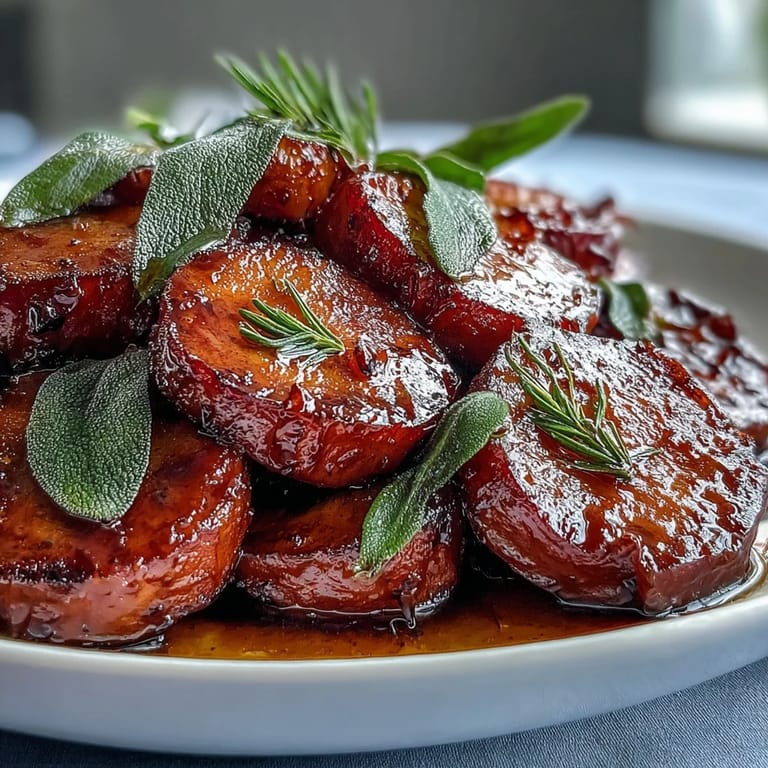
Once you've mastered this recipe, you'll realize how easily it bends to what you have on hand or what you're craving that day. Sage is what makes this version sing, but I've thought about swapping in thyme or rosemary when the season calls for it, or adding a pinch of cayenne if you want warmth instead of just sweetness.
- Toast some pecans or walnuts and scatter them over the top before serving for crunch that plays against the tender yams.
- If maple syrup isn't available, honey works, but use slightly less because it's sweeter and will tip the balance.
- Squeeze the orange juice fresh if you can—it makes a real difference in how bright and clean the glaze tastes.
 Pin
Pin This recipe reminds me that sometimes the best food comes from small, confident choices rather than complexity. It's become the dish I make when I want people to feel cared for without fanfare.
Recipe FAQ
- → What type of yams are best for this dish?
Use sweet potatoes peeled and cut into uniform rounds to ensure even cooking and a tender texture.
- → How is the brown butter made?
Butter is melted over medium heat and cooked while swirling until it turns golden brown and emits a nutty aroma, usually around 3–4 minutes.
- → Can I substitute fresh sage with dried herbs?
Fresh sage is recommended for its vibrant flavor, but dried sage can be used in smaller amounts if fresh is unavailable.
- → How to achieve a thick glaze on the yams?
Bake covered initially to allow the yams to soften, then uncover and baste with pan juices to thicken the glaze during the final baking stage.
- → Are there any suggested toppings to add texture?
Sprinkling toasted pecans over the finished yams adds a pleasant crunch and complements the sweet and savory flavors.