 Pin
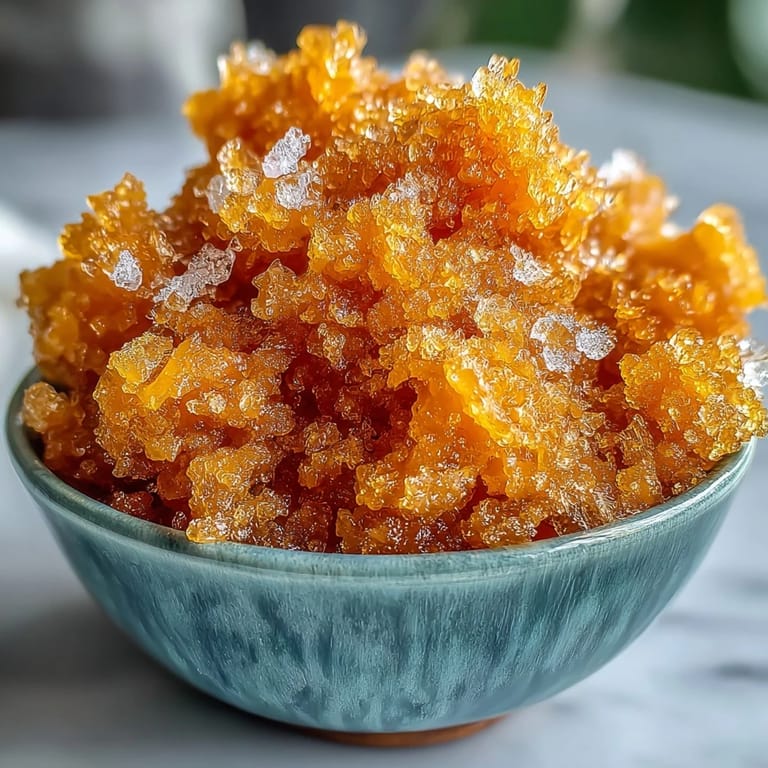
Pin There's something magical about watching a mango transform into something so completely different—a dessert that feels like frozen sunshine on your tongue. I discovered this granita method by accident, really, on an unbearably hot afternoon when my blender was out of commission and I needed something cold fast. What started as improvisation became my go-to way to use mangoes at their peak, and now I can't imagine summer without it.
I made this for a dinner party where someone casually mentioned they couldn't eat dairy, and instead of panicking, I pulled together this granita in about twenty minutes of actual hands-on time. Watching my guests' faces light up when they realized it was both elegant and refreshingly simple felt like a small kitchen victory that mattered more than any complicated dessert ever could.
Ingredients
- Ripe mangoes (3 large, about 700 g): Look for ones that yield slightly to pressure and smell fragrant at the stem—this is where all your flavor lives.
- Granulated sugar (80 g or ⅓ cup): The warm syrup method dissolves it perfectly and prevents grainy ice crystals.
- Water (180 ml or ¾ cup): Filtered water makes a noticeable difference in the final taste.
- Fresh lime juice (2 tablespoons): This brightens the mango and prevents the granita from tasting cloying.
- Sea salt (pinch, optional): A tiny amount amplifies the mango flavor in a way that feels almost mysterious.
Tired of Takeout? 🥡
Get 10 meals you can make faster than delivery arrives. Seriously.
One email. No spam. Unsubscribe anytime.
Instructions
- Make your sugar syrup:
- Combine sugar and water in a small saucepan and warm over low heat, stirring gently until every grain dissolves. This takes about three minutes—don't rush it or you'll have crystallized edges later.
- Blend until silky:
- Once your syrup cools completely, add it to the blender with diced mango, lime juice, and that tiny pinch of salt if you're using it. Blend until absolutely smooth with no fibrous bits.
- Freeze your base:
- Pour the mixture into a shallow baking dish—this wider surface area is what makes granita work its magic. Shallow dishes freeze faster and give you more edges to scrape.
- Begin the scraping rhythm:
- After thirty to forty-five minutes, use a fork to drag the icy edges toward the center, breaking them into smaller crystals. It won't look like much yet, but you're building texture.
- Repeat until fluffy:
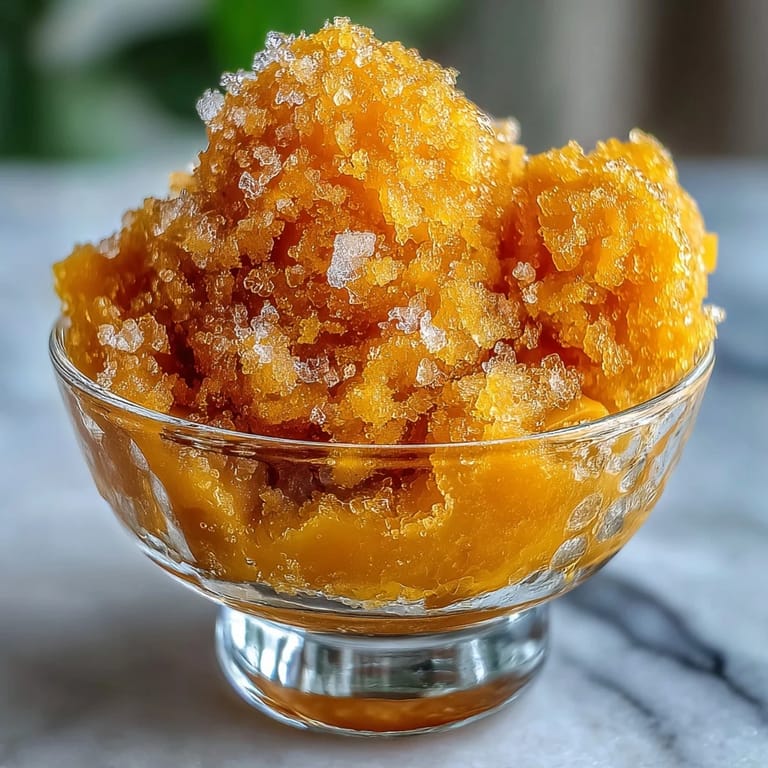
- Keep scraping every thirty minutes for about three to four hours total until the whole mixture transforms into light, fluffy ice crystals instead of one solid block. This repetition is the actual technique—there's no shortcut.
- Serve immediately:
- Fluff one last time with your fork and scoop into chilled glasses or bowls right away. The texture starts melting the moment it's out of the freezer, which is part of its charm.
 Pin
Pin My neighbor asked why I was standing at my open freezer at midnight with a fork, and I ended up giving her a bowl of this granita still half-frozen, watching her eyes close as she tasted it. That's when I realized this dessert is less about impressing people and more about sharing something that tastes like pure, unapologetic joy.
Choosing and Ripening Your Mangoes
The difference between a good granita and an extraordinary one comes down entirely to your mango selection. A truly ripe mango will smell sweet at the stem, yield slightly under gentle thumb pressure, and taste like concentrated sunshine rather than something mealy or fibrous. If you're buying mangoes that aren't quite ready, keep them in a paper bag on your counter for a day or two—they'll ripen without the mealy texture you get from over-ripening in plastic.
The Scraping Technique That Actually Matters
Most people think granita is complicated because they expect some special freezer trick or fancy equipment, but really it's just patience and a fork. The first thirty minutes nothing dramatic happens, so don't panic—you're just waiting for the edges to freeze solid enough to scrape. By the second scraping, you'll see tiny crystals forming, and by hour three, you'll understand why this method creates that signature light, fluffy texture that makes granita so completely different from regular sorbet.
Variations and Custom Flavors
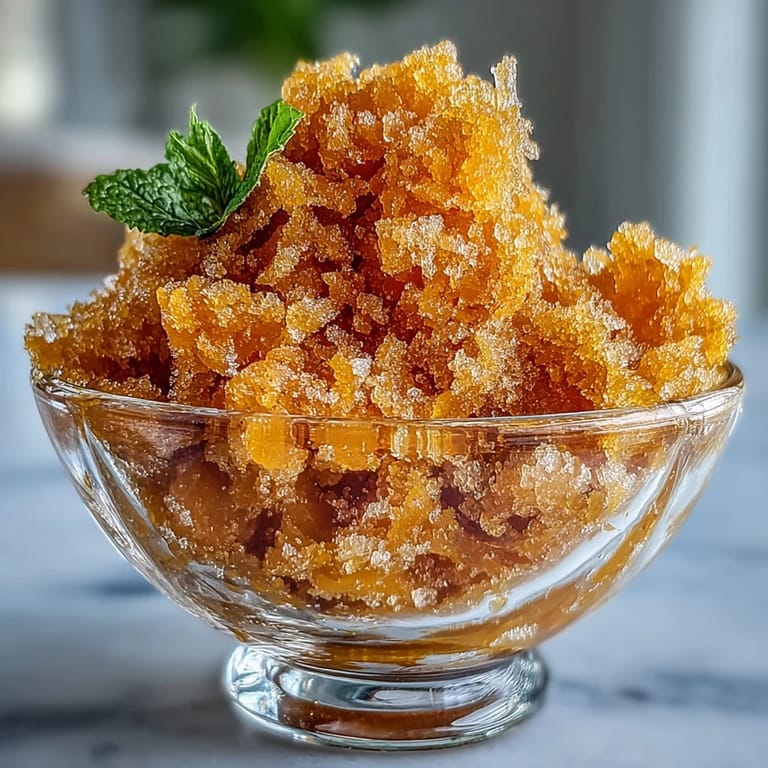
Once you understand the basic method, this granita becomes a canvas for whatever fruit or flavors you're drawn to. A splash of passion fruit juice adds complexity, fresh mint leaves bring a cooling effect, or even a tiny hint of cardamom can make it feel unexpectedly sophisticated. The beauty is that you're working with the same freezing technique no matter what, so experimentation never feels risky.
- Passion fruit juice transforms the flavor into something more tropical and layered.
- A few torn mint leaves add a subtle cooling note without overpowering the mango.
- Taste your blended mixture before freezing—this is your only chance to adjust sweetness or tartness.
 Pin
Pin This granita taught me that sometimes the simplest desserts, made with just a few good ingredients and a little bit of repetitive motion, become the ones people actually remember. It's the kind of dish that makes a hot day feel manageable and a moment with good people feel complete.
Recipe FAQ
- → What type of mangoes work best?
Choose ripe, fragrant mangoes for the sweetest and most flavorful granita base.
- → Can I use a different sweetener?
Yes, alternatives like agave syrup or honey can be used, adjusting sweetness to taste.
- → How do I achieve the granita texture?
Freeze the mixture, scraping it with a fork every 30 minutes to create fluffy ice crystals.
- → Is this suitable for special diets?
Yes, this preparation is vegan, gluten-free, and dairy-free.
- → Can I add other flavors?
Adding passion fruit juice or mint leaves enhances the tropical notes and freshness.