 Pin
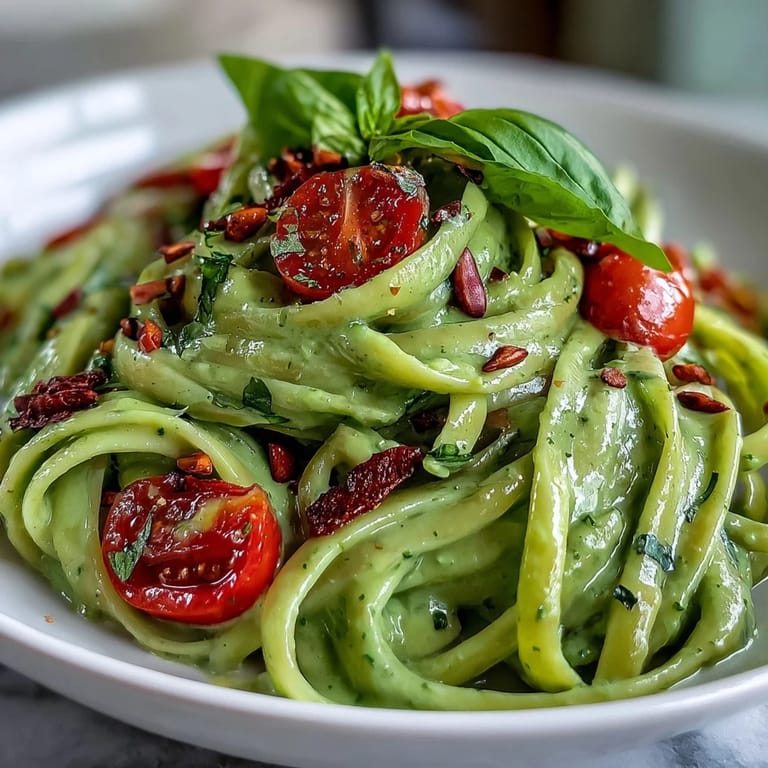
Pin One summer afternoon, I was staring into my nearly empty fridge when I spotted two perfectly ripe avocados and a lime rolling around the produce drawer. My pasta water was already boiling, and suddenly it clicked—what if I stopped thinking about heavy cream and just let the avocado do the work? Twenty minutes later, I had a bowl of silky, vibrant pasta that tasted like sunshine and felt impossibly light. That moment taught me that the simplest ingredients, treated with respect, can become something genuinely magical.
I made this for a friend who'd just gone vegan, and I watched their face change the moment they took that first bite—genuine surprise that something so creamy and comforting could exist without butter or cream. We stood in the kitchen talking for hours after, and they asked for the recipe three times. That's when I knew this dish had crossed from quick weeknight dinner to something people actually crave.
Ingredients
- Dried spaghetti or linguine, 350 g: The thin shape lets the sauce coat every strand, and cooking it al dente keeps everything from turning mushy when it mingles with the creamy sauce.
- Ripe avocados, 2: This is where all your magic happens—they need to yield gently to pressure but not be bruised or brown inside, so taste one as you prep if you're unsure.
- Fresh lime juice, 1 large lime: Don't use bottled; fresh lime is what keeps this from tasting dull and gives it that bright, almost herbaceous edge.
- Extra virgin olive oil, 3 tbsp: Use one you actually like tasting, because it's a star ingredient here and its flavor will shine through.
- Fresh basil leaves, 1/3 cup: Tear them by hand rather than cutting so they don't bruise and blacken—it sounds fussy but it genuinely matters for color and flavor.
- Plant-based milk, 1/4 cup: Any kind works, but I find oat milk creates the silkiest texture without any weird aftertaste.
- Garlic, 2 cloves: Raw garlic here is bold and bright; if you're sensitive to it, use just one clove or roast them quickly beforehand.
- Sea salt and freshly ground black pepper: The seasoning base that pulls all the subtle flavors into focus—don't skip the fresh pepper.
- Cherry tomatoes, 250 g: Their sweetness and acidity balance the richness of the avocado sauce perfectly, so choose ones that smell faintly sweet.
- Toasted pine nuts, 2 tbsp: Optional but worth it—they add a luxurious nuttiness and pleasant crunch that elevates the whole dish.
Tired of Takeout? 🥡
Get 10 meals you can make faster than delivery arrives. Seriously.
One email. No spam. Unsubscribe anytime.
Instructions
- Get your water boiling and pasta going:
- Fill a large pot with water, salt it generously until it tastes like the sea, and bring it to a rolling boil—you'll hear it before you see it. Add your pasta and stir it gently for the first minute so nothing sticks, then let it bubble away according to the package timing, but taste it a minute before the instructions say, because al dente is the goal here.
- Blend your sauce while pasta cooks:
- Pop those avocados, garlic, lime juice, olive oil, basil, milk, salt, and pepper into your food processor or blender and pulse until it's completely smooth and creamy—no lumpy bits. If it looks too thick, add a splash more milk or reserved pasta water and blend again until it's silky like soft serve ice cream.
- Combine pasta and sauce with a gentle hand:
- Drain your pasta into a colander, but save that cooking water first—it's liquid gold for loosening the sauce. Tip the warm pasta into a large bowl, pour the avocado sauce over it, and toss gently until every strand is coated in that creamy green goodness, adding splashes of pasta water as needed until it feels luxurious.
- Fold in the tomatoes carefully:
- Scatter those halved cherry tomatoes over the pasta and fold them in slowly so they don't break and lose their juice everywhere. You want pockets of sweetness throughout, not a mushy tomato sauce.
- Plate and garnish right away:
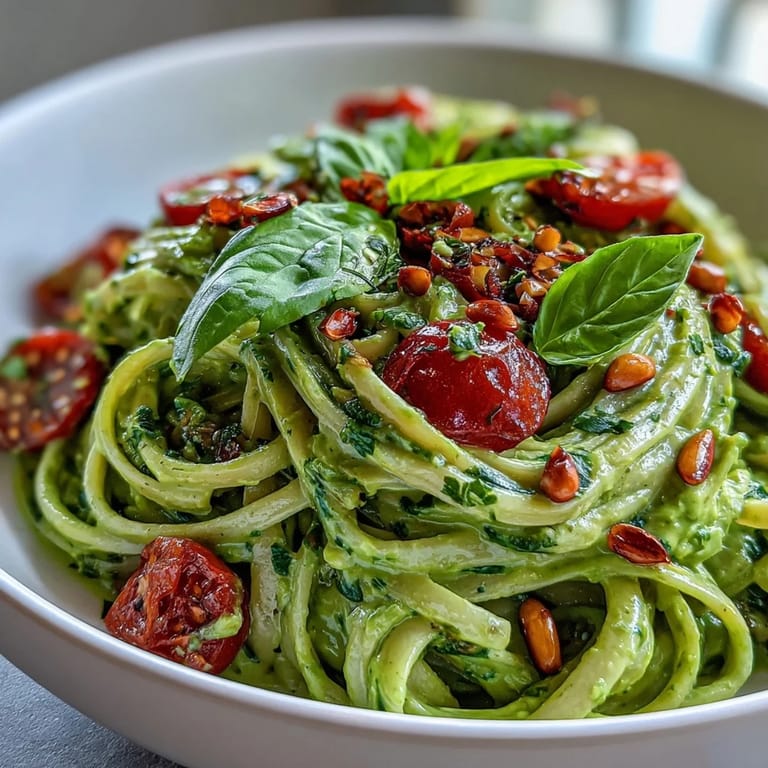
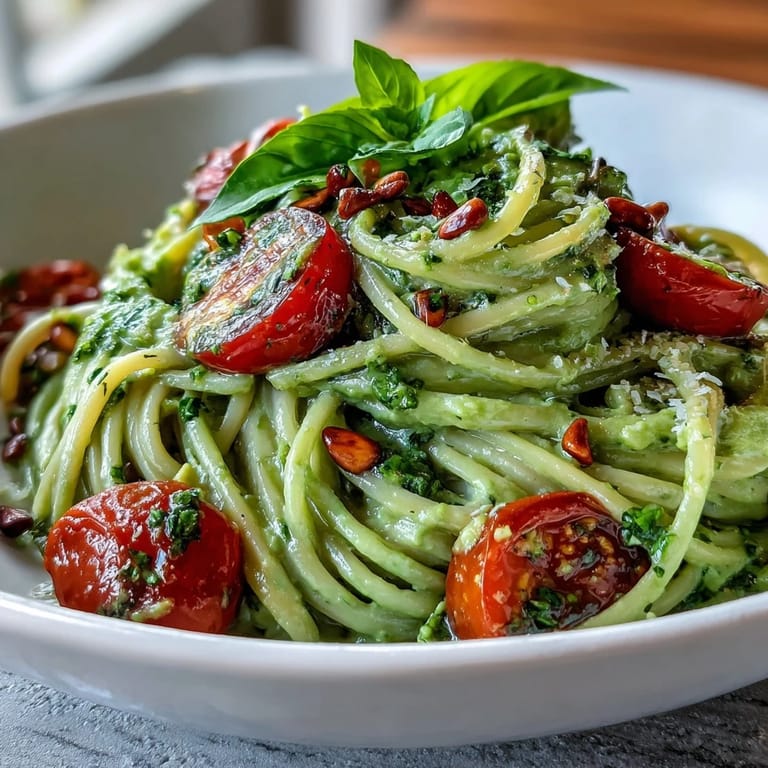
- Divide among bowls immediately while everything is still warm and vibrant, then scatter toasted pine nuts and fresh basil leaves on top so each bite has texture and freshness.
 Pin
Pin There's something quietly powerful about watching someone taste truly fresh, vibrant food and seeing their shoulders relax. This pasta does that—it nourishes without weighing you down, tastes indulgent without any guilt, and comes together in the time it takes to boil water and chop a few things.
The Science of Silky Avocado Sauce
Avocado is mostly fat, which is why it emulsifies so beautifully when blended—it creates a natural, creamy base without any cream at all. The lime juice and garlic cut through that richness with acid and pungency, while the plant-based milk helps the blender incorporate air and creates that light, pillowy texture. The reserved pasta water is the secret weapon because its starch helps the sauce cling to each strand and keeps everything from separating as it sits.
Timing and Temperature Matter
Serve this immediately after assembly while the pasta is still warm, because avocado sauce is best enjoyed fresh and creamy. If you let it sit too long, the avocado will oxidize and turn gray-brown, and the sauce will thicken as it cools. If you're meal prepping, keep the pasta and sauce separate and combine them just before eating for the best flavor and texture.
Variations and Additions That Actually Work
This recipe is a blank canvas in the best way, and I've played with it a hundred different ways depending on what I have on hand or how I'm feeling that day. The structure stays solid, but the toppings and add-ins are where you can get creative and make it completely your own. Sometimes a dish is just a jumping-off point, and this one gives you room to play.
- Stir in white beans or chickpeas for protein and a creamy texture that complements the avocado sauce without overpowering it.
- Add a pinch of nutritional yeast if you're craving that savory umami depth that feels almost cheesy but stays vegan.
- Top with toasted breadcrumbs, crispy chickpeas, or even thinly sliced radishes for crunch and contrast against the silky sauce.
 Pin
Pin This pasta reminds me why I cook—it's simple, it's kind to your body, and it brings people together around something that tastes genuinely delicious. Make it tonight, and I promise you'll be thinking about it tomorrow.
Recipe FAQ
- → Can I make this dish ahead of time?
The avocado-lime sauce is best enjoyed fresh, as avocados can oxidize and change color. However, you can prepare the sauce ingredients in advance and blend them just before serving. If needed, add a squeeze of extra lime juice to help preserve the vibrant green color for a few hours.
- → What pasta shapes work best with this sauce?
Spaghetti, linguine, or fettuccine work wonderfully as the creamy sauce coats long strands evenly. Short pasta like penne or fusilli also works well—the ridges and curves help hold the silky avocado-lime mixture. Choose whatever shape you prefer, ensuring it's cooked al dente for the best texture.
- → How do I prevent the sauce from turning brown?
The lime juice in this sauce naturally helps prevent oxidation. For best results, serve immediately after preparation. If you must store it, press plastic wrap directly onto the surface of the sauce to minimize air exposure, and add an extra squeeze of lime juice before blending.
- → Can I add protein to this dish?
Absolutely. Cooked chickpeas, white beans, or lentils blend seamlessly with the creamy sauce. Grilled tofu tempeh, or pan-seared chickpeas also make excellent protein additions. Simply fold them in during step 4 when adding the cherry tomatoes.
- → What can I use instead of plant-based milk?
The plant-based milk adds creaminess without overpowering flavors. You can substitute with reserved pasta water for a lighter version, or use coconut milk for richer texture. Even vegetable broth works in a pinch, though the sauce may be slightly less creamy.
- → Is this dish served hot or cold?
It's traditionally served warm, immediately after tossing the hot pasta with the sauce. The warmth helps the sauce become more fluid and coating. However, it also works beautifully as a cold pasta salad for summer—just chill after preparation and serve with an extra drizzle of olive oil.