 Pin
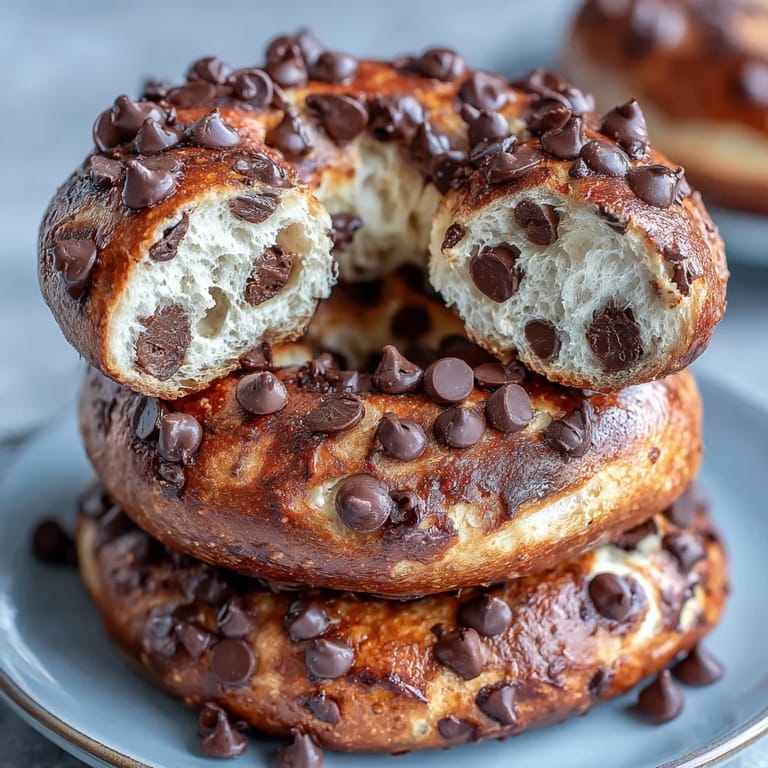
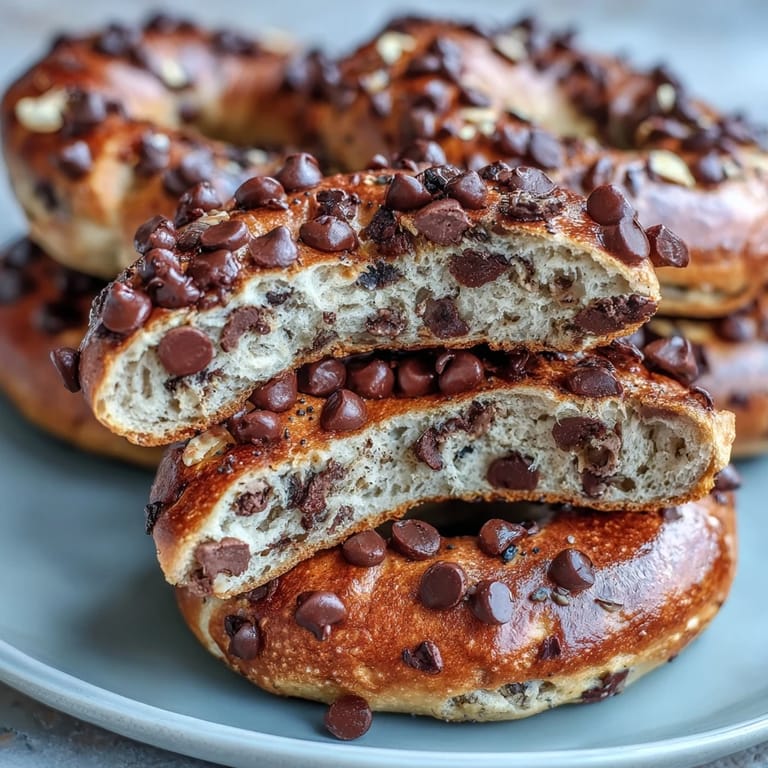
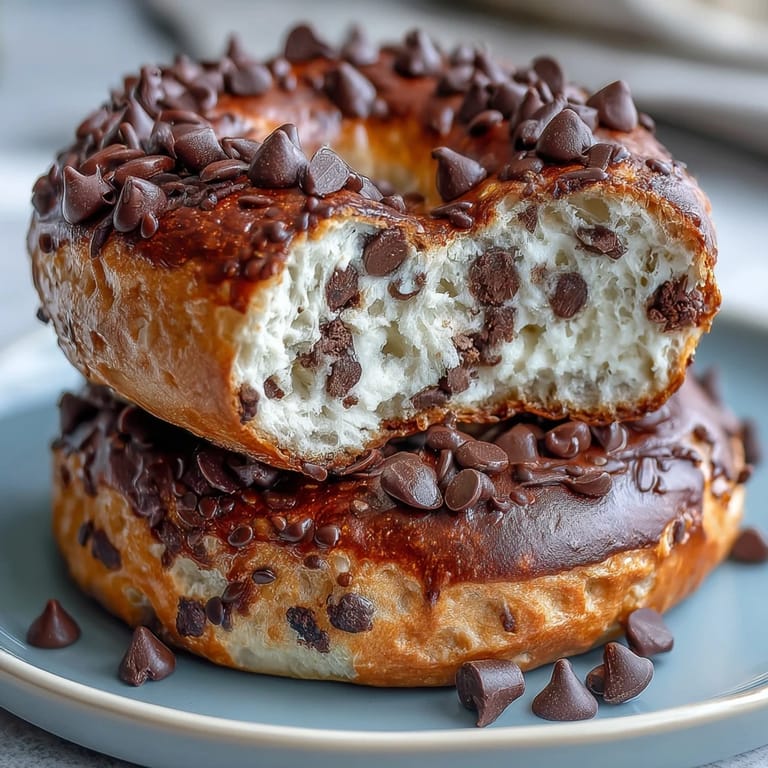
Pin My roommate burst into the kitchen one Tuesday morning, bagel in hand, complaining that her usual breakfast was boring. I'd been experimenting with protein-packed recipes, so on a whim, I suggested we make bagels together—real bagels, but sneakier. Within an hour, we'd created these pillowy chocolate chip versions, and she's been making them every Sunday ever since. There's something magical about biting into a warm, chewy bagel and finding those little pockets of melted chocolate mixed with hidden protein.
I made a batch for my friend's hiking trip last spring, wrapped them in foil so she could eat them on the trail. She texted me halfway through saying they'd become the favorite snack of the group, and now whenever we plan an outdoor adventure, she requests them. That's when I realized these bagels had become more than breakfast—they were the small gesture that made people feel cared for.
Ingredients
- 2 cups white whole wheat flour: This flour gives the bagels a tender crumb while staying sturdy enough to hold the boiling and baking without falling apart; regular all-purpose works too, but whole wheat adds a subtle nuttiness.
- 1 scoop vanilla or unflavored protein powder: The secret to making these protein-rich without the gritty texture—vanilla blends seamlessly into the dough while unflavored stays completely neutral.
- 2 tbsp granulated sweetener: Use what you keep in your pantry; coconut sugar adds warmth, erythritol keeps them lighter, and even regular sugar works perfectly fine.
- 1 ½ tsp baking powder: This gentle leavening creates the soft, airy interior that makes these bagels feel less dense than they sound on paper.
- ½ tsp salt: Don't skip it—salt balances the sweetness and somehow makes the chocolate taste richer.
- 1 cup Greek yogurt: Non-fat or full-fat both work beautifully; the yogurt replaces traditional water and eggs, creating that signature chewy bagel texture while adding creaminess.
- 1 tsp vanilla extract: A small touch that rounds out the flavor profile without screaming vanilla.
- ½ cup mini chocolate chips: Mini chips distribute more evenly than chunks, so every bite surprises you; dairy-free versions melt just as satisfyingly.
- Water for boiling: The boiling step seals the bagel's exterior and creates that chewy crust; adding honey or maple syrup gives them a subtle shine and slight sweetness on the outside.
- 1 egg for egg wash (optional): Brushing before baking creates a glossy, bakery-style finish that looks intentional.
Tired of Takeout? 🥡
Get 10 meals you can make faster than delivery arrives. Seriously.
One email. No spam. Unsubscribe anytime.
Instructions
- Set your oven and line your pan:
- Preheat to 375°F and line a baking sheet with parchment paper so your bagels don't stick and bake evenly from underneath.
- Whisk the dry team together:
- Combine flour, protein powder, sweetener, baking powder, and salt in a large bowl—whisking instead of just stirring aerates everything slightly and prevents lumps from the protein powder.
- Bring the wet and dry together:
- Add Greek yogurt and vanilla extract to your dry mixture and stir until a thick, sticky dough forms; it'll look shaggy at first, but that's exactly right.
- Fold in the chocolate:
- Gently fold in mini chocolate chips, being careful not to overmix; this keeps the dough tender and distributes the chips evenly so they don't clump in one corner.
- Knead until smooth:
- Dust your work surface lightly with flour and knead the dough for 2 to 3 minutes until it becomes smooth and slightly less sticky; you want it soft but not wet.
- Shape your bagels:
- Divide dough into 6 equal portions, roll each into a ball, then poke your thumb through the center and gently stretch the opening until you have a bagel shape about 2 inches in diameter. The hole shrinks during cooking, so make it bigger than you think.
- Bring water to a gentle boil:
- Fill a large pot with 6 cups of water and bring it to a gentle boil; add honey or maple syrup if you want that shine.
- Boil each bagel:
- Working in batches of 2 to 3, carefully place bagels into the boiling water and boil for 45 seconds per side, then remove with a slotted spoon and place back on your parchment-lined baking sheet. The bagels will sink, then float to the top when they're ready to flip.
- Optional egg wash:
- If you want a glossy finish, brush each boiled bagel with beaten egg before baking.
- Bake until golden:
- Bake for 20 to 25 minutes until the tops are golden brown and they sound slightly hollow when tapped; the bake time depends on your oven, so start checking around 20 minutes.
- Cool before serving:
- Transfer to a wire rack and let them cool completely—they'll firm up as they cool and are much easier to slice when fully cooled.
 Pin
Pin One Saturday morning, my neighbor smelled these baking and knocked on my door asking what smelled like a bakery. I handed her a warm bagel with a little butter, and she stood in my kitchen for twenty minutes talking about how she'd been searching for a high-protein breakfast that didn't taste like punishment. We ended up having coffee together, and now she borrows my recipe whenever she's feeling ambitious.
Why the Boiling Step Actually Matters
When I first tried making these without boiling—just baking straight from the dough—they came out more like dense muffins than bagels. The boiling creates a gelatinized crust that traps steam during baking, which gives you that chewy, slightly glossy exterior that makes a real bagel feel indulgent. It's a small step that completely transforms the texture, and honestly, it only adds about 5 minutes to your total time. Once you taste the difference, you'll understand why bagel makers have been boiling them for generations.
Storage and Freezing Secrets
These bagels stay soft for up to 4 days in an airtight container at room temperature, which makes them perfect for weekday breakfasts. If you want to freeze them, wrap each bagel individually in foil or plastic wrap before placing them in a freezer bag—this prevents freezer burn and makes it easy to grab just one bagel. They thaw beautifully when you need them, and toasting them straight from frozen brings back that fresh-baked texture every single time.
Make Them Your Own
The base recipe is honestly just a canvas waiting for your personal touch. I've made versions with cinnamon swirled throughout, peanut butter chips mixed with the chocolate, and even a birthday version with sprinkles instead of chocolate. The yogurt base stays forgiving through most variations, so don't be afraid to experiment with what sounds good to you.
- Add a pinch of cinnamon or pumpkin pie spice to the dry ingredients for warmth without changing the base recipe.
- Swap some chocolate chips for chopped nuts, shredded coconut, or dried fruit depending on what breakfast mood you're in.
- Try a mixture of dark and white chocolate chips for visual interest and flavor complexity.
 Pin
Pin These bagels have become my answer to 'what can I make that feels like breakfast from a real bakery but actually fuels my body?' They're comforting, practical, and somehow always disappear faster than I expect. Make a batch this week and see why they become a staple.
Recipe FAQ
- → What type of protein powder works best?
Use vanilla or unflavored protein powder to complement the sweetness without overpowering the flavor.
- → Can I use dairy-free alternatives?
Yes, substitute Greek yogurt and chocolate chips with dairy-free versions to make a vegan-friendly option.
- → How do boiling bagels affect texture?
Boiling briefly before baking creates a chewy crust characteristic of traditional bagels.
- → What sweeteners can be used?
Granulated sweeteners like coconut sugar or erythritol provide subtle sweetness without adding moisture.
- → How should leftover bagels be stored?
Store in an airtight container for up to 4 days or freeze for longer freshness.