 Pin
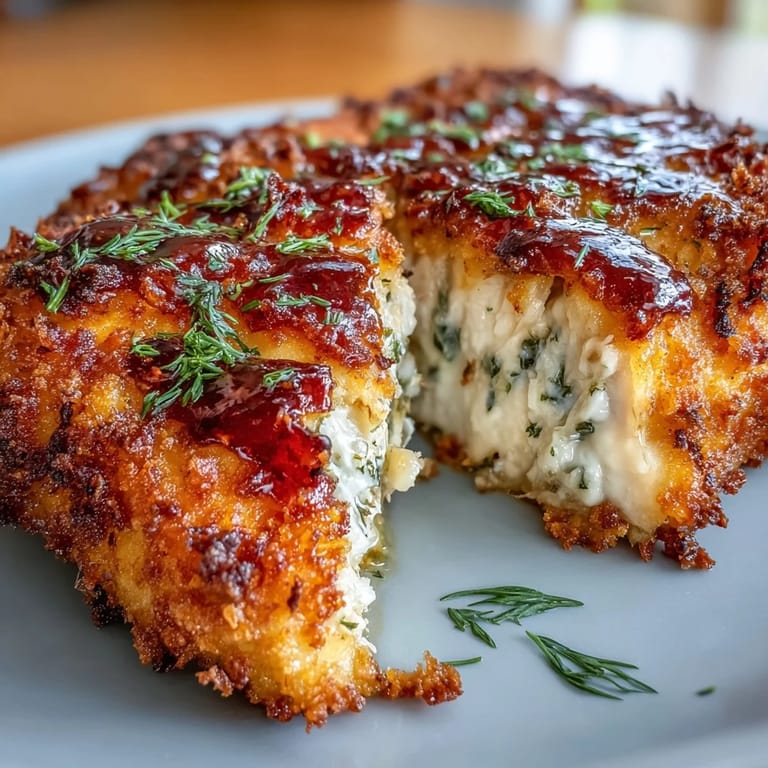
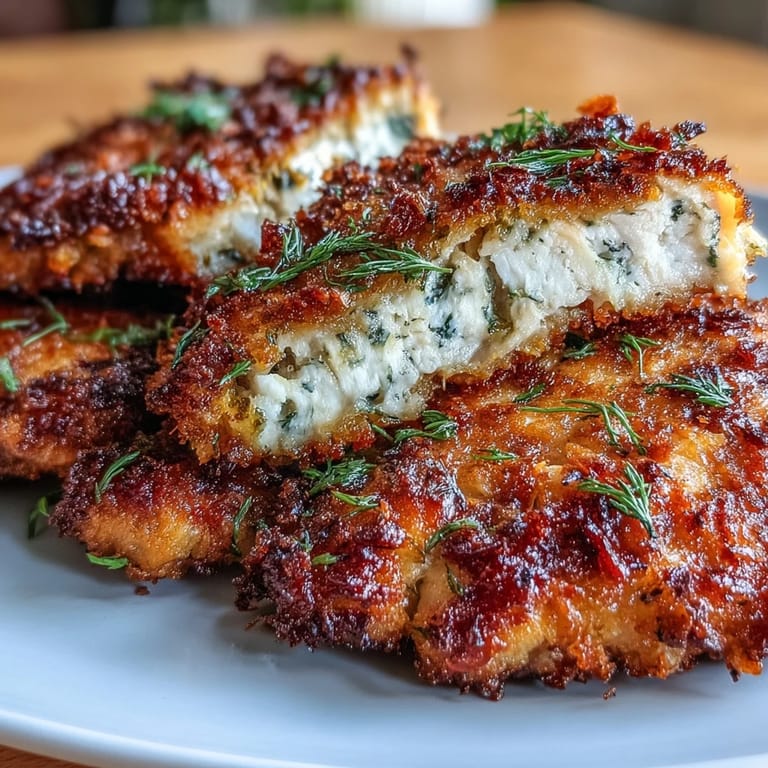
Pin My sister called it my secret weapon at potlucks, though honestly it started as a happy accident when I grabbed the wrong jar from the fridge while prepping chicken one Tuesday night. The dill pickle juice sat there looking at me, and I thought, why not? Twenty minutes later, I had golden, crunchy cutlets that tasted nothing like a mistake. Now people text asking when I'm making this again, and I've stopped pretending it's complicated.
I made this for my coworkers last spring during a potluck, and someone literally asked for the recipe before finishing their bite. The best part was watching people's faces when they realized the flavor came from pickle juice—skeptical at first, then completely won over. That's when I knew this wasn't just my happy accident anymore.
Ingredients
- Boneless, skinless chicken breasts: Four medium ones work best, and if they're thick, gently pound them to an even three-quarter inch so they cook through at the same rate as the crust gets golden.
- Dill pickle juice: Straight from the jar—don't strain it, all those little spice bits are doing the real work here, and your marinade time is flexible depending on your schedule.
- All-purpose flour: The foundation of your crust; the garlic and onion powders need something to cling to before the egg wash comes in.
- Garlic powder and onion powder: These create depth that pickle juice alone can't achieve, rounding out the tanginess with savory warmth.
- Paprika: It adds color and a subtle sweet smoke that catches in your throat just right when you bite in.
- Salt and black pepper: Taste as you mix your flour because the pickle juice is already seasoned, and you don't want to overdo it.
- Large eggs: Two of them whisked until smooth, acting as edible glue between flour and breadcrumbs with no gaps.
- Seasoned breadcrumbs: The crunch factor; if you can only find plain, that's fine, just give the flour mixture a little extra personality.
- Grated Parmesan cheese: The finishing magic, turning ordinary breadcrumbs into something that tastes almost nutty and rich when fried golden.
- Cooking oil: Canola or vegetable oil, heated to that perfect shimmering point where it's almost smoking but not quite—too cool and you get soggy chicken.
Tired of Takeout? 🥡
Get 10 meals you can make faster than delivery arrives. Seriously.
One email. No spam. Unsubscribe anytime.
Instructions
- Set up your marinade:
- Place chicken breasts in a shallow dish or zip-top bag and pour the dill pickle juice over them, making sure every piece gets submerged. Slide into the refrigerator and let the brine work its magic for anywhere from thirty minutes to two hours depending on how much time you have.
- Organize your breading station:
- Line up three shallow dishes in a row. In the first, whisk together the flour, garlic powder, onion powder, paprika, salt, and pepper. Pour beaten eggs into the second dish. In the third, combine the breadcrumbs and grated Parmesan and give it a little toss so it's evenly mixed.
- Prep the chicken:
- Remove each chicken breast from the pickle juice and pat it completely dry with paper towels—this step matters more than you'd think because wet chicken won't hold the coating right. Work with one piece at a time so the crust stays intact.
- Coat with precision:
- Drag each chicken breast through the flour mixture, shake off the excess, then dip it into the egg with a light hand. Press it firmly into the breadcrumb-Parmesan mixture, turning it over so both sides get completely coated and the crust has somewhere to grip.
- Heat the oil:
- Pour about half an inch of oil into your skillet and turn the heat to medium-high. Wait for it to shimmer and move easily when you tilt the pan, which usually takes three to four minutes.
- Fry until golden:
- Gently lay each chicken breast into the hot oil and let it sit for five to seven minutes without moving it around too much. Flip it once and cook the other side until both are deep golden brown and the internal temperature hits one hundred sixty-five degrees.
- Rest and serve:
- Transfer the finished chicken to a wire rack so the bottom doesn't get soggy as it cools. Let it sit for a couple minutes to settle, then plate it up while it's still warm and the crust is at its crispiest.
 Pin
Pin I'll never forget my nephew, who usually avoids anything even slightly tangy, asking for seconds and then thirds. His mom looked at me like I'd performed magic, and I realized this recipe does something special—it takes one bold flavor and makes it approachable enough that even the skeptics come around.
Why The Pickle Juice Works
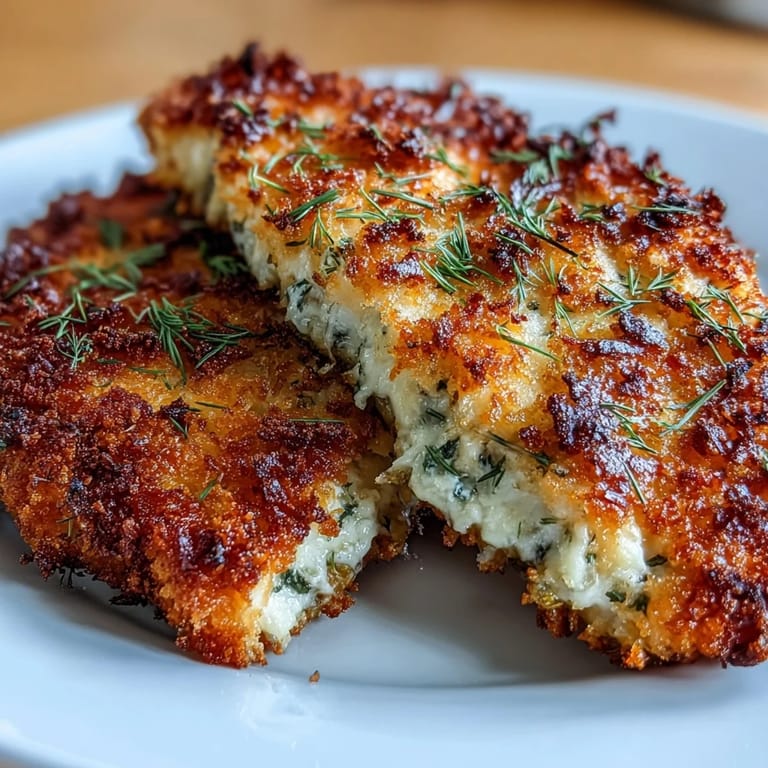
The acidity in pickle juice is nature's tenderizer, breaking down the muscle fibers in chicken so gently that you end up with meat that's almost butter-soft inside while the outside stays crispy. The brine also carries salt deep into the flesh, seasoning from the inside out rather than sitting on the surface like breading alone would do. It sounds counterintuitive until you taste it and suddenly understand why this combination has been hiding in plain sight.
Serving Ideas That Pair Perfectly
Serve this with coleslaw if you want to play up the deli-counter vibe, or keep it simple with a green salad and lemon wedges for brightness. I've also had great success pairing it with roasted potatoes or even over a bed of rice where you can drizzle some pan juices if there are any left. The tanginess plays well with almost anything creamy or cool on the side, which is why this works for casual weeknights and slightly fancier tables alike.
Lighter Cooking Methods That Still Deliver
If frying feels like too much, you can bake these at four hundred twenty-five degrees on a wire rack set over a baking sheet for twenty to twenty-five minutes, and you'll get a different but still satisfying texture that's less greasy and slightly less shatteringly crisp. Air frying at four hundred degrees for fifteen to eighteen minutes, flipping halfway through, gives you something surprisingly close to the skillet version without the oil splatters. Both methods lock in moisture while still letting the Parmesan cheese toast beautifully, so don't feel like you're compromising if the stovetop doesn't appeal to you today.
- For extra heat, sprinkle a pinch of cayenne into the flour mixture and watch people's eyes widen when they bite in.
- Chicken thighs are more forgiving than breasts if you're worried about drying them out, and they love pickle juice just as much.
- Make extra because cold leftovers are somehow even better the next day, though they rarely make it that long.
 Pin
Pin This recipe turned into my go-to dinner when I need to feed people who are hard to impress, and it never lets me down. Make it once and you'll understand why pickle juice in the pantry becomes something you never want to run out of.
Recipe FAQ
- → How long should the chicken marinate in dill pickle juice?
The chicken should marinate between 30 minutes and 2 hours to absorb the tangy flavors without becoming too soft.
- → Can I bake or air fry instead of frying?
Yes, baking at 425°F for 20–25 minutes or air frying at 400°F for 15–18 minutes provides a lighter, crispy finish.
- → What is the best way to achieve a crispy crust?
Layering the coating with seasoned flour, beaten eggs, and a blend of Parmesan and breadcrumbs helps create a crunchy surface when fried.
- → What oil is recommended for frying?
Use a neutral oil with a high smoke point, like canola or vegetable oil, to fry the chicken evenly.
- → Can chicken thighs be used instead of breasts?
Yes, chicken thighs make a juicier alternative and can be prepared using the same marinating and breading process.