 Pin
Pin My neighbor Marco brought over a bottle of homemade limoncello one summer evening, and the moment I tasted it—that bright, almost electric burst of lemon hitting the back of my throat—I was completely hooked. He explained how he'd made it sitting on his balcony, just waiting, shaking a jar every couple of days while the lemons whispered their secrets into the alcohol. I realized right then that this wasn't some complicated alchemy; it was patience wearing a yellow dress. Now, every time I make a batch, I feel like I'm capturing bottled sunshine, and honestly, the waiting period has become my favorite part of the process.
I'll never forget giving a bottle to my friend Sophie, who'd been going through a rough stretch. She opened it that winter evening, poured two small glasses, and we just sat in the quiet kitchen talking until midnight. Something about sipping something you made yourself, something that took weeks of gentle attention, felt like proof that good things actually do come to those who wait. She still has the empty bottle on her shelf and asks about my next batch every time we talk.
Ingredients
- Large unwaxed organic lemons (8): The skin is where all the magic lives—the oils hold that electric brightness—so organic and wax-free is absolutely non-negotiable here, no shortcuts.
- Pure grain alcohol, 95% (750 ml) or 100-proof vodka: This is your canvas; the higher the alcohol content, the better it extracts those precious lemon oils, though vodka works beautifully if grain alcohol feels too intense.
- Water (600 ml): Filtered water makes a subtle but real difference in the final clarity and taste.
- Granulated sugar (400 g): This balances the intensity without drowning the delicate citrus notes; you can adjust to taste once you understand your preference.
Tired of Takeout? 🥡
Get 10 meals you can make faster than delivery arrives. Seriously.
One email. No spam. Unsubscribe anytime.
Instructions
- Wash and dry your lemons like you mean it:
- Hot water and a gentle scrub removes any residue, then pat them completely dry—moisture is the enemy of a clean infusion. This simple step prevents cloudiness and unwanted flavors from sneaking in.
- Peel the yellow, skip the white:
- A vegetable peeler is your best friend here; glide it gently around each lemon, collecting only that vibrant yellow zest and avoiding the bitter white pith underneath. If you accidentally catch some pith, it's forgivable, but the less of it, the brighter your final product.
- Layer zest and alcohol in your jar:
- Pour the peeled zest into a spotlessly clean glass jar, then pour in the alcohol until everything is submerged and the jar is sealed tight. This is the moment you actually stop doing anything; the work is now theirs.
- Infuse with patience and gentle shakes:
- Find a cool, dark corner—a cabinet, a pantry, the back of a closet—and let it sit for 10 to 30 days, shaking gently every two days. The longer it sits, the deeper the lemon flavor becomes; I usually aim for around three weeks and check my notes.
- Make your syrup while waiting:
- In a saucepan, combine water and sugar over medium heat, stirring occasionally until the sugar dissolves completely, then let it cool all the way down. This syrup is the grace note that softens the intensity of the alcohol and brings everything into balance.
- Strain out the zest with care:
- Pour the infused alcohol through a fine mesh strainer or lay cheesecloth over a bowl and let it drip through slowly—patience here means clarity in the glass. Discard the zest; it's done its job.
- Marry alcohol and syrup together:
- Combine the strained lemon alcohol with the cooled syrup and stir until they're completely blended. Taste it if you're curious; you can adjust sweetness with extra syrup or more alcohol depending on what you prefer.
- Bottle it and let it rest again:
- Pour into sterilized bottles with airtight seals and let everything settle for at least a week, though I've found two weeks brings out an even rounder flavor. This resting period is when all the flavors truly marry and mellow.
- Chill and serve like you made liquid gold:
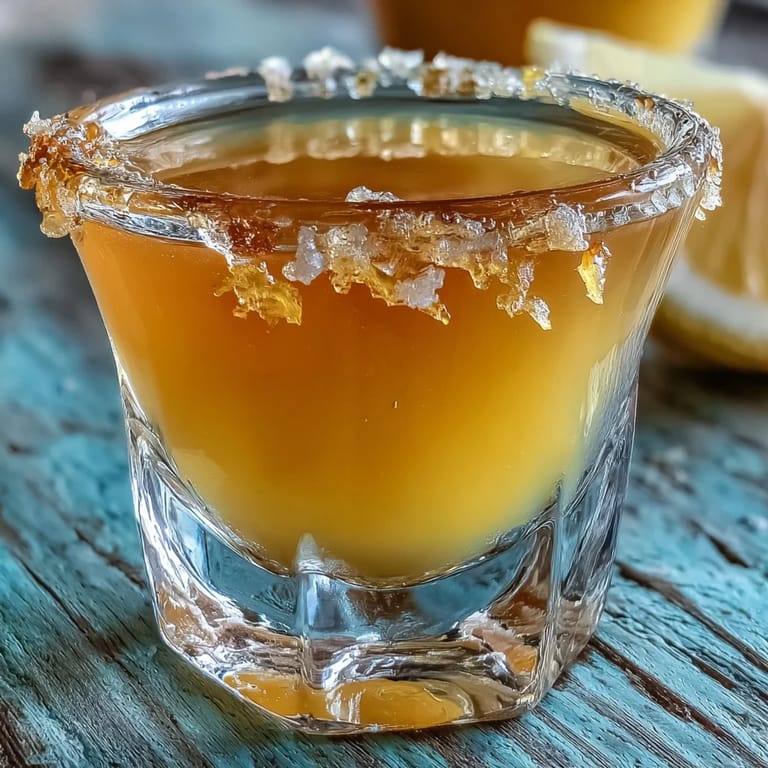
- Keep it in the freezer and serve in small glasses straight from the cold—the chill is essential, as warmth mutes the brightness. This is not a casual drink; it's a moment of pause.
 Pin
Pin Last year, I made limoncello for the first time with my daughter, and even though she was only eight, she took the shaking responsibility seriously—every two days, she'd march to the pantry with complete focus. Weeks later, when we finally opened a bottle for her birthday, she tasted it and said, "This is what summer tastes like," which absolutely wrecked me in the best way. Watching her connect the dots between effort and reward, between waiting and joy, made the whole process feel like something way bigger than a liqueur.
Why Fresh Lemons Matter More Than You'd Think
The first time I tried making this with regular supermarket lemons, I thought it wouldn't make much difference. The result was dull, almost medicinal, and the oils never sang the way they should have. Marco laughed gently when I told him and said, "The lemon is the entire conversation; everything else just listens." I started seeking out farmers market lemons after that, lemons that feel heavy in your hand, lemons that smell bright before you even cut them, and the difference was staggering.
The Gift-Giving Magic
There's something almost ceremonial about presenting a bottle of homemade limoncello—it says you spent weeks thinking about someone, that you were patient enough to do something slowly in a world obsessed with speed. I've started decorating bottles with handwritten labels and pressed lemon leaves, turning the whole thing into something people genuinely treasure. The cost of ingredients is embarrassingly low, but the feeling of giving something you literally waited for feels priceless.
Variations Worth Exploring
Once you understand the basic method, the limoncello becomes a template for experimentation. I've made versions with Meyer lemons that taste almost floral, tried blending in a touch of lemon verbena, and even once added a whisper of vanilla that nobody asked for but everyone loved. The core technique stays the same, but you're learning your own preferences, your own taste, your own voice as someone who makes beautiful things.
- Meyer lemons create a softer, almost honeyed version if you prefer something less intensely bright.
- Try adding a single fresh basil leaf or a small sprig of thyme during the infusion for subtle herbal complexity.
- If 30 days feels impossible, even 10 days of infusion produces something genuinely delicious, so don't let perfectionism keep you from trying.
 Pin
Pin Making limoncello taught me that some of the most rewarding things we create aren't meant to be rushed. It's a reminder that waiting can be an active form of love, that the best gifts often come from simple ingredients and genuine patience.
Recipe FAQ
- → What type of lemons should I use?
Use large, unwaxed organic lemons to ensure the zest is free from pesticides and wax coatings, delivering the best flavor.
- → How long should the infusion process last?
Infuse the lemon zest in alcohol for 10 to 30 days, shaking gently every couple of days. Longer infusion enhances citrus intensity.
- → Can I substitute the alcohol used in this liqueur?
Yes, 95% pure grain alcohol is preferred, but 100-proof vodka works well as a readily available alternative.
- → How do I prepare the sugar syrup?
Simmer water and granulated sugar gently until the sugar dissolves, then cool to room temperature before blending.
- → What is the best way to serve the finished liqueur?
Chill the liqueur thoroughly and serve it straight from the freezer in small glasses for the optimal taste experience.
- → Can I use different lemon varieties?
Meyer lemons are a great option for a slightly floral, less tart variation of this citrus liqueur.