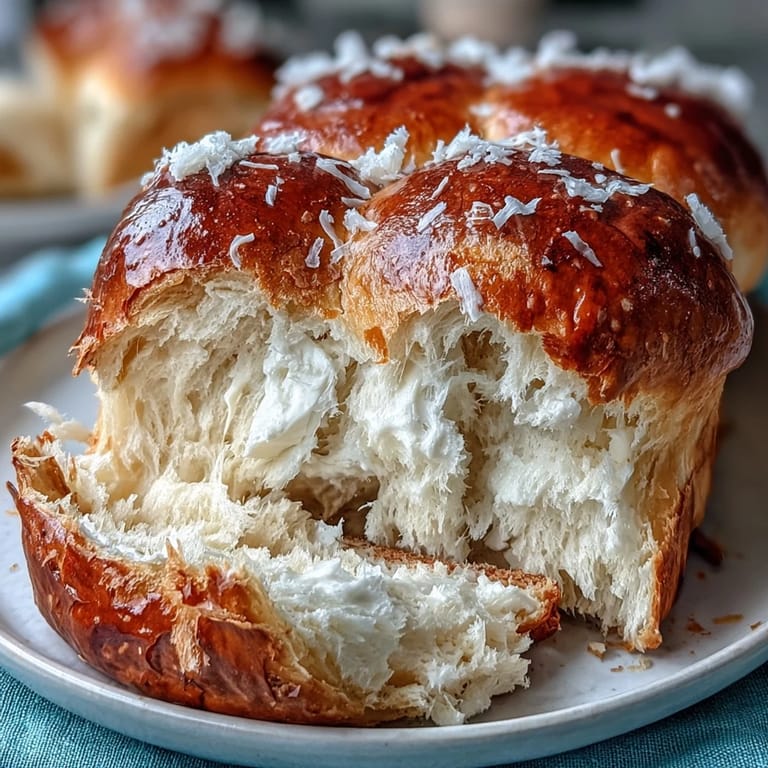
 Pin
Pin The steam rising from warm Japanese milk bread always brings a little curiosity to my kitchen. The first time I tried the Tangzhong method, I was more fascinated by how the flour paste transformed than intimidated by its fancy reputation. Watching the dough puff up softly as it rose, somehow it felt like the bread was rewarding my patience with every gentle touch. I think the satisfaction lies in the anticipation as much as in that first, pillowy bite. Japanese milk bread remains the only bread I’ve ever caught my partner sneaking slices from while it’s still cooling on the rack.
One rainy afternoon, with nothing much planned, I made this bread to surprise a friend who loves all things fluffy. We sat at the kitchen table, tearing pieces off while the rain drummed on the windows, and it was only later that we realized half the loaf had vanished in our distracted conversation. Baking this bread seems to give each moment a softness to match. It’s now the recipe I reach for whenever I want to make a simple day memorable. Looking back, I think my favorite results have come from those unhurried kitchen afternoons.
Ingredients
- Bread flour: Crucial for that authentic springy texture—don’t swap for all-purpose unless you’re in a pinch.
- Whole milk: Warm it gently; too hot will kill the yeast, too cold will slow the rise.
- Instant yeast: I’ve learned to scatter it evenly so the dough rises consistently—no clumps, no surprises.
- Egg: Adds richness and creates that luxurious crumb, so always use one at room temperature.
- Sugar: Not just for sweetness, but to feed the yeast and tenderize the crumb.
- Unsalted butter: Softening the butter first makes kneading a dream; cold butter will give you streaks instead of silkiness.
- Fine sea salt: Brings the flavors together—add it away from the yeast to keep everyone happy.
- Milk (for brushing): The final gloss on top for an irresistible golden finish.
Tired of Takeout? 🥡
Get 10 meals you can make faster than delivery arrives. Seriously.
One email. No spam. Unsubscribe anytime.
Instructions
- Make the Tangzhong:
- Whisk together flour, water, and milk in a small saucepan over medium heat, stirring until it thickens into a paste—about three to five minutes. You’ll know it’s ready when the whisk leaves soft tracks behind; let it cool to lukewarm so it won’t shock the yeast later.
- Mix the Dough:
- In a large bowl or stand mixer, combine bread flour, sugar, salt, and yeast. Add the cooled Tangzhong, lukewarm milk, and room temperature egg, then mix until the dough just comes together and looks a bit scrappy.
- Knead:
- Add softened butter, then knead for ten to fifteen minutes until the dough is smooth, elastic, and bounces back when poked. If it’s still sticky, resist adding more flour; the dough will come together with time and patience.
- First Rise:
- Place the dough in a greased bowl, cover it, and let it rise somewhere warm until doubled in size, about an hour. A kitchen towel over the bowl keeps curious breezes away.
- Shape:
- Punch down the dough and cut it into three equal pieces. Shape each into a rectangle, fold in the sides, and roll up tightly into logs before snugly nestling them side by side in your greased loaf pan.
- Second Rise:
- Cover again and wait while the rolls expand until they nearly reach the top of the pan—this is the moment you realize just how fluffy it will be. This usually takes thirty to forty-five minutes.
- Bake:
- Preheat the oven to 350°F (175°C), brush the loaf with milk, and bake for twenty-eight to thirty-two minutes. When the top is deep golden and the loaf sounds hollow when tapped, it’s ready to come out.
- Cool:
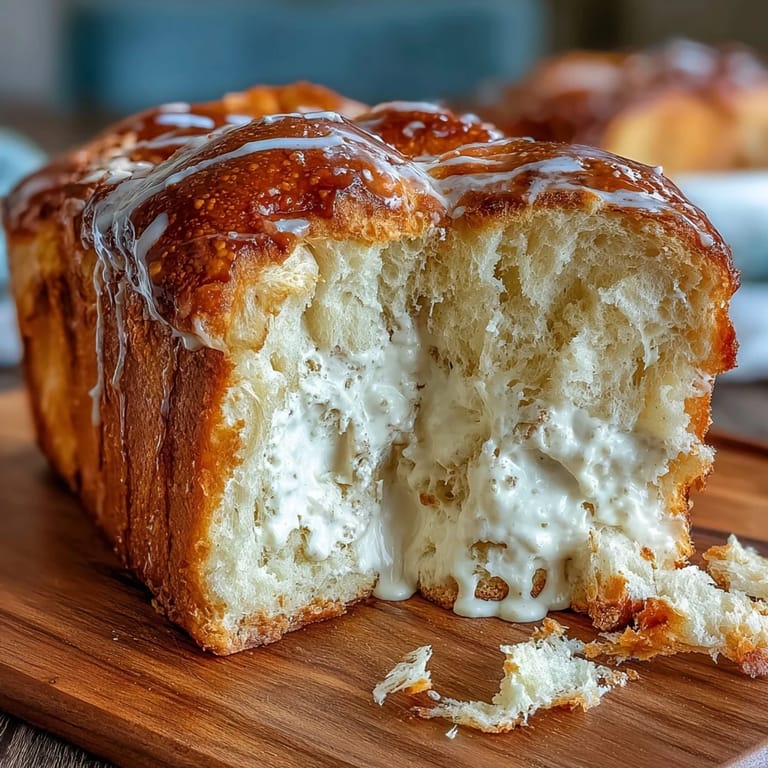
- Let the bread cool in the pan for ten minutes, then gently turn it onto a wire rack. Wait until completely cool before slicing to keep every piece perfectly fluffy.
 Pin
Pin  Pin
Pin One morning, as sunlight crept across the counter, I watched my younger brother try to sneak the softest slice before breakfast. That’s when I realized this bread wasn’t just another recipe—it felt like an irresistible little luxury everyone wanted a piece of, even before the day began.
Getting the Best Texture
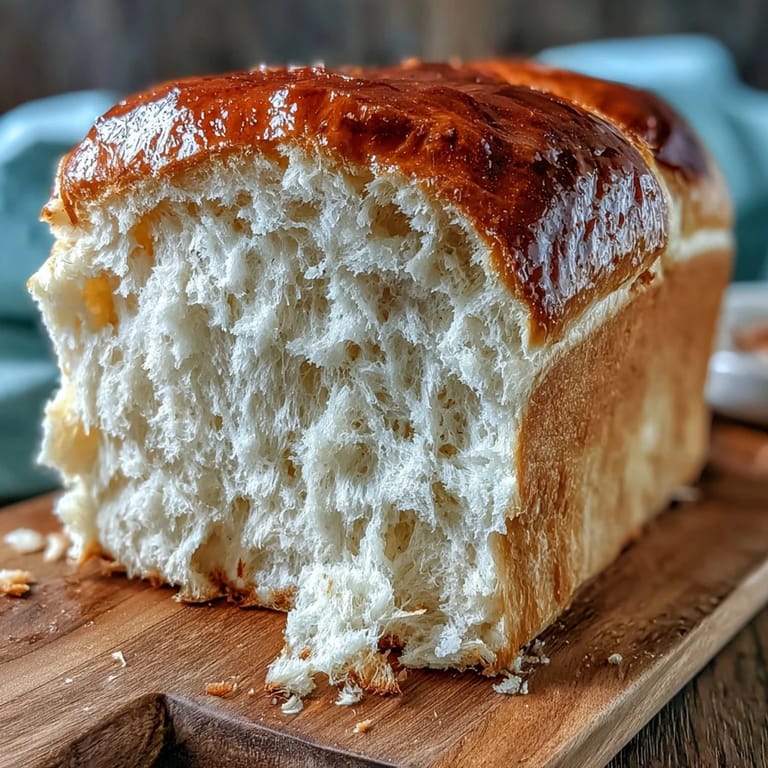
If the dough feels too sticky, try oiling your hands instead of adding more flour—the extra moisture is what gives milk bread its unique, fluffy crumb. Don’t rush the kneading; set a timer and let the process bring out the dough’s elasticity. On cooler days, let the dough rise near the oven or a sunlit window for consistent warmth and a gentle, pillowy rise.
How to Store and Enjoy
Once cool, store the loaf in an airtight container or zip bag at room temperature—never in the fridge, which dries it out. For softness deep into the week, slice only what you need and freeze the rest, thawing as you go. Toasted leftovers are wonderful with a swipe of butter or served alongside morning eggs.
Variations and Custom Touches
Sometimes, I’ll replace a bit of the milk with cream or add a splash of vanilla to boost this bread’s cozy aroma. Japanese milk bread is also a forgiving base for swirls of cinnamon sugar or a sprinkle of black sesame seeds over the top before baking. Every time you make it, you’ll find a new little twist worth repeating.
- A dash of cardamom adds warmth without overpowering the sweetness.
- Brushing twice with milk gives extra shine and softness.
- Always let the loaf cool completely for the fluffiest slices.
 Pin
Pin 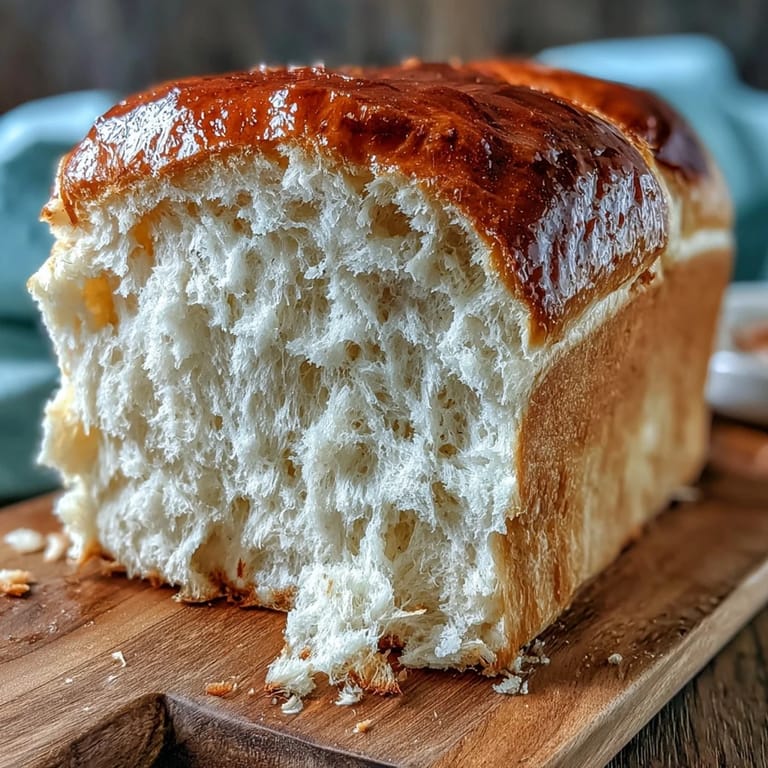 Pin
Pin Once you taste this loaf, it’s hard to imagine breakfast (or midnight snacks) without it. I hope it brings as much softness and joy to your table as it has to mine.
Recipe FAQ
- → What is Tangzhong and why use it?
Tangzhong is a cooked flour-and-liquid paste that gelatinizes starches. It locks in moisture, giving the loaf a softer crumb and keeping it fresh longer without altering flavor.
- → Can I use active dry yeast instead of instant?
Yes. If using active dry yeast, proof it in the lukewarm milk for 5–10 minutes until bubbly before adding to the dough. Reduce proofing time by adjusting for yeast activity.
- → How do I know when the dough is properly kneaded?
The dough should be smooth, elastic and slightly tacky but not sticky. Perform the windowpane test: stretch a small piece—if it forms a thin, translucent membrane, kneading is complete.
- → How should I shape the dough for the loaf pan?
Divide the dough into three equal pieces, roll each into a rectangle, fold the sides and roll tightly into logs. Place them seam-side down, snugly side-by-side in a greased 9x5-inch pan.
- → What temperature and signs indicate the loaf is done?
Bake at 350°F (175°C) for about 28–32 minutes. The top should be golden and the loaf will sound hollow when tapped; an internal temperature around 190–200°F indicates doneness.
- → How should I store the baked loaf to keep it soft?
Cool completely, then store in an airtight container or sealed bag at room temperature for a few days. For longer storage, slice and freeze; thaw at room temperature or toast directly from frozen.