 Pin
Pin The first time I made maqluba, I was standing in my grandmother's kitchen watching her orchestrate this beautiful chaos of layered rice and meat. She moved with such certainty, like she'd done it a thousand times, carefully arranging vegetables in that massive pot before topping it all with rice. What struck me most wasn't the cooking itself—it was the moment she flipped it onto the platter, that split second of suspense before the whole golden tower landed perfectly, and everyone at the table gasped. That's when I understood this dish is as much about the drama as it is about the flavors.
I remember making this for my roommate's birthday dinner, and she'd never had anything like it before. When I brought that golden, steaming dome to the table and explained what was about to happen, she leaned forward with genuine curiosity. The smell alone—warm spices, roasted eggplant, meat that had been simmering in broth for nearly an hour—filled the whole apartment. By the time I flipped it, she was already asking for the recipe.
Ingredients
- Lamb shanks or chicken pieces (900 g): Bone-in cuts add incredible depth of flavor as they cook down; if you can't find shanks, thighs work beautifully and cook a bit faster.
- Black pepper, allspice, and cinnamon: These spices are the soul of maqluba—don't skip the cinnamon, it adds a subtle warmth that ties everything together.
- Long-grain basmati rice (2 cups): Rinsing until the water runs clear prevents mushiness; soaking gives you fluffy, separate grains in the end.
- Eggplant and potatoes: Roasting these beforehand ensures they're tender without falling apart during the layers, and gives them a golden edge that's essential.
- Tomato slices: These sit at the bottom and release their juice slowly, creating a subtle sauce that keeps the rice moist.
- Vegetable or chicken broth (3-4 cups): The backbone of the dish; warm broth poured over prevents temperature shock to the rice and cooks it evenly.
- Pine nuts or almonds, toasted: The crunch and nuttiness at the end transforms the whole eating experience—toast them yourself if possible, the difference is real.
Tired of Takeout? 🥡
Get 10 meals you can make faster than delivery arrives. Seriously.
One email. No spam. Unsubscribe anytime.
Instructions
- Prepare your rice:
- Rinse the basmati rice under cold water, stirring gently with your fingers until the water runs clear—this removes excess starch that would make the rice sticky. Soak it for 30 minutes, then drain well; this step is what gives you those distinct, fluffy grains instead of a mushy base.
- Season and sear the meat:
- Pat your lamb or chicken dry, then coat it generously with the black pepper, allspice, cinnamon, and salt. Heat oil in your pot over medium-high heat until it shimmers, then sear the meat on all sides until deeply browned—don't rush this, the color means flavor.
- Build the base broth:
- In the same pot, sauté your onion slices until they're soft and golden, then return the meat and add enough broth to cover it halfway. Simmer gently for 30 to 40 minutes until the meat is nearly tender; you want it cooked through but not falling apart, since it'll spend more time in the oven layer.
- Roast the vegetables:
- While the meat simmers, preheat your oven to 200°C and brush your eggplant and potato slices lightly with oil. Spread them on baking sheets and roast until they're golden at the edges and tender inside, about 20 to 25 minutes; this step prevents them from releasing too much water into your final dish.
- Layer with intention:
- In your heavy-bottomed pot, start with a single layer of tomato slices covering the bottom—they'll release moisture that keeps everything moist. Layer potatoes, then eggplant, then your cooked meat and onions, then the drained rice on top, pressing very gently so the layers hold but don't compress.
- Season and add the broth:
- Mix turmeric, cumin, and salt into your reserved cooking broth, then pour it over the rice until it just covers the surface. This warm, seasoned liquid is essential; it continues cooking the rice and carries flavor throughout.
- The covered cook:
- Place a smaller heatproof plate or lid directly on top of the rice to keep the layers from shifting, then cover the pot tightly with the lid. Start over medium heat until you hear a gentle simmer, then lower to the minimum heat and cook undisturbed for 35 to 40 minutes; resist the urge to peek, the steam does the work.
- Rest before the flip:
- The dramatic moment:
- Let the pot rest for 15 minutes off heat, covered—this allows the rice to firm up just enough to hold together. Place your largest serving platter upside down over the pot, take a breath, and flip in one confident motion; if anything sticks, a spatula around the edges helps, but usually gravity does the job.
- Crown it and serve:
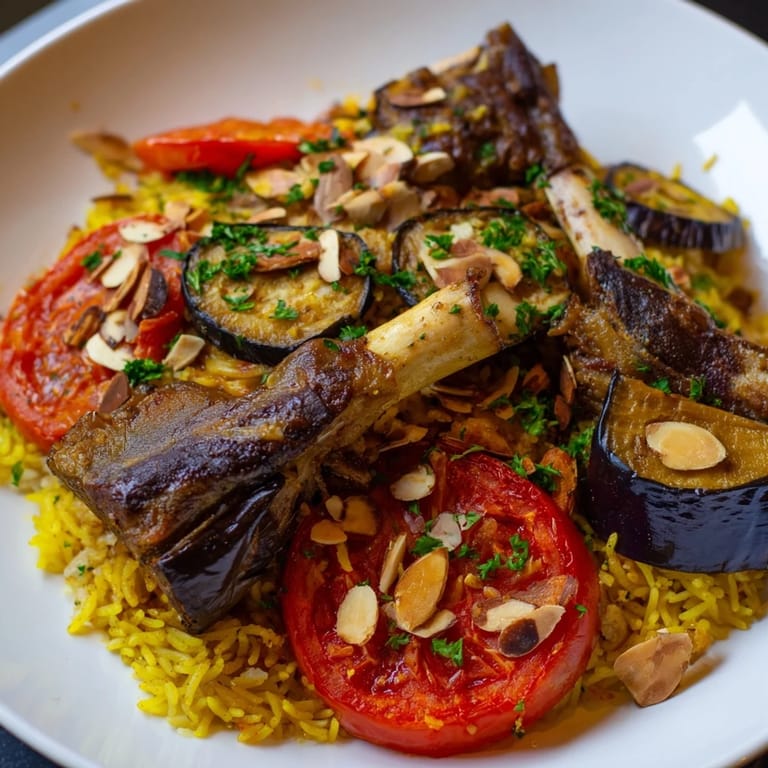
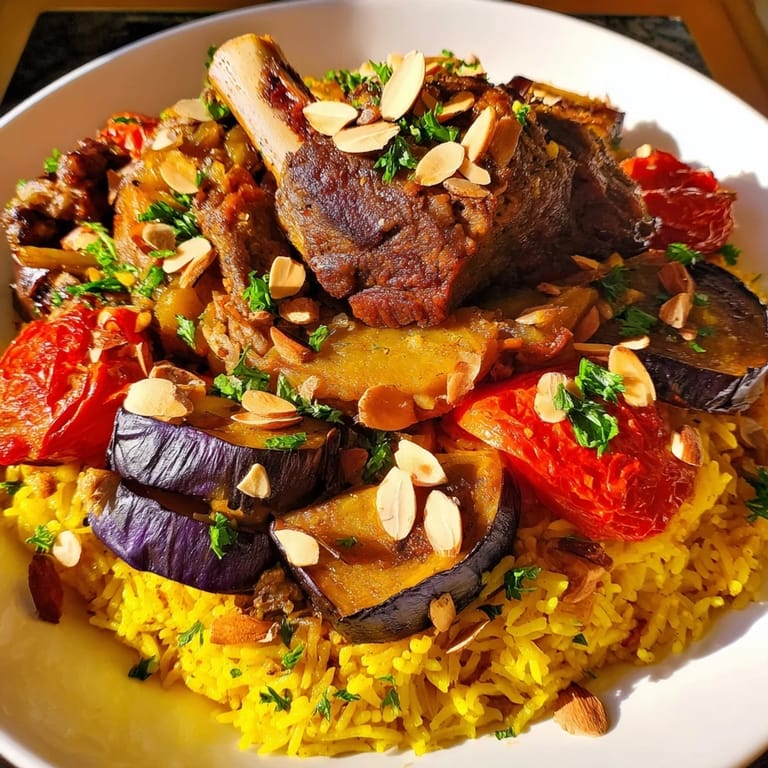
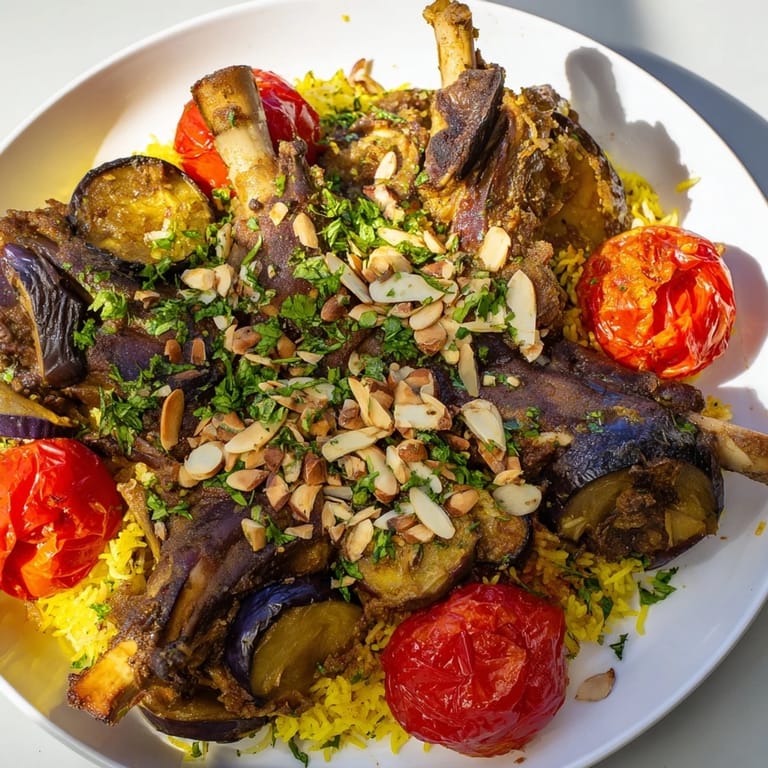
- Scatter your warm toasted nuts and fresh parsley over the golden dome, letting the aroma hit everyone first. Serve immediately with yogurt or a crisp salad alongside.
 Pin
Pin There's a specific moment in cooking this dish where everything clicks into place—it's after you've done all the prep and you're standing there with your pot covered, listening to that gentle simmer, knowing that in 40 minutes something magical is about to happen. That anticipation, that moment of faith in the process, is what makes maqluba feel less like cooking and more like creating something together.
The Art of the Flip
Honestly, the flip is easier than it sounds if you've set yourself up correctly. I used to be nervous about it, imagining the whole thing collapsing or sticking to the pot, but I learned that the key is confidence and the right equipment. A nonstick pot helps enormously, and a platter that's genuinely larger than your pot opening makes all the difference. The moment you flip, gravity is your friend—trust it, and the maqluba will land almost perfectly every time.
Variations That Work
The beauty of maqluba is that it's flexible enough to work with what you have on hand. Cauliflower roasts beautifully in place of eggplant and gives you a slightly different texture, while boneless chicken thighs speed up the whole process if you're short on time. I've even made versions with zucchini when that's what the market had, and it was just as delicious, just a different story. The spice blend is what makes it maqluba, not any single ingredient.
- Cauliflower florets roast in the same time as eggplant and absorb the spices beautifully.
- Boneless chicken thighs cut your simmering time nearly in half, perfect when you're cooking on a weeknight.
- A splash of pomegranate molasses stirred into the broth adds a subtle tang that rounds out the warmth of the spices.
What to Serve Alongside
Maqluba is rich and warming, so it wants something cool and bright next to it. A simple cucumber and yogurt salad with a handful of mint is my go-to—the cold, tangy creaminess against the warm, spiced rice is perfect balance. Some people serve it with a tomato and onion salad, others with just plain yogurt on the side. The ritual of a shared meal with this dish demands something fresh to cut through the richness and refresh your palate between bites.
 Pin
Pin This dish has a way of bringing people together in a way that few meals do. There's something about that shared moment of suspense and celebration when the pot flips that reminds everyone at the table why they love eating together.
Recipe FAQ
- → What type of meat is best for Maqluba?
Bone-in lamb shanks or chicken pieces work best, providing rich flavor and tender texture after simmering.
- → How do you prevent the rice from sticking during cooking?
Rinse the rice until water runs clear and soak it before cooking. Press it gently over the layered ingredients and cover tightly to ensure even steam cooking.
- → Can vegetables other than eggplants be used?
Yes, alternatives like cauliflower florets can provide a delicious variation while maintaining the layered structure.
- → Why is the dish flipped after cooking?
Flipping Carefully unmolds the layered ingredients into a visually striking presentation, revealing the distinct layers of vegetables, meat, and rice.
- → What spices enhance the flavor of the broth?
Turmeric, ground cumin, black pepper, allspice, cinnamon, and salt combine to create a warm and aromatic broth.
- → How long should the dish rest after cooking?
Letting it rest covered for about 15 minutes allows the flavors to meld and the layers to set before flipping.