 Pin
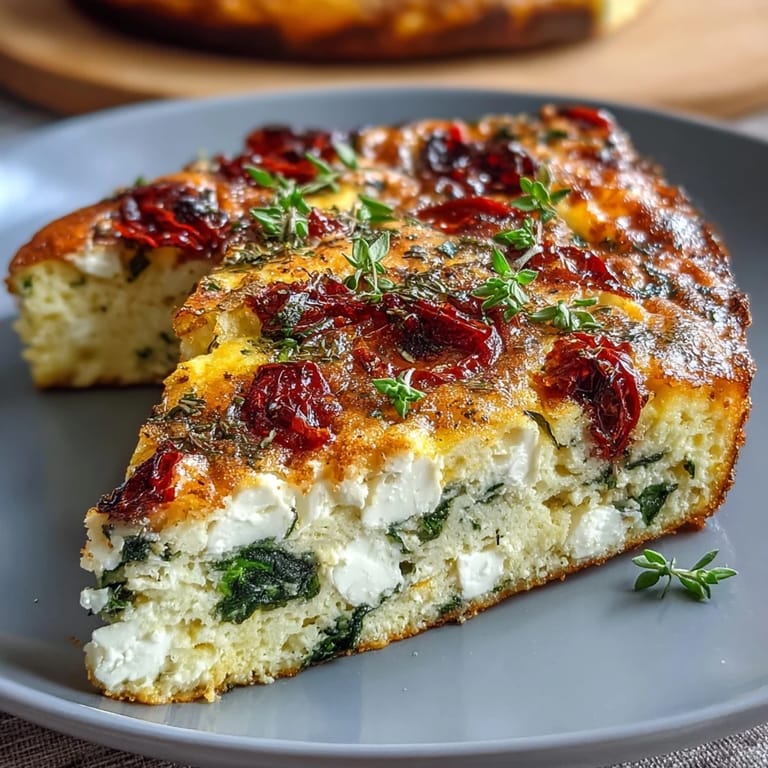
Pin There's something magical about the moment when you realize a frittata is actually just a conversation between your pan and your oven—no fussy flipping required. My neighbor Marco handed me a wedge of his spinach and feta version one Sunday morning, and I remember thinking how the sun-dried tomatoes caught the light like little rubies nestled in clouds of egg. That afternoon, I started experimenting in my own kitchen, and what emerged was this impossibly simple dish that tastes like you've been cooking all morning when really you've barely lifted a finger.
I made this for my sister during one of those chaotic weekends when everyone arrived hungry and I had zero plan. She walked into the kitchen just as the frittata came out of the oven, golden and puffed, and the way her face lit up told me everything I needed to know about whether this recipe was a keeper. We ate it warm with crusty bread and cold white wine, and somehow it became the meal everyone still talks about.
Ingredients
- Fresh baby spinach (2 cups): Use the tender leaves and don't stress about chopping them into uniform pieces—they'll shrink dramatically as they cook, so generous handfuls are your friend.
- Sun-dried tomatoes (1/2 cup): The oil-packed ones are essential for that concentrated sweetness and silky texture; julienne them thin so every bite gets a hit of flavor.
- Yellow onion (1 small): This builds the savory foundation, and taking those 3-4 minutes to let it soften properly makes a real difference in depth.
- Garlic (1 clove): Fresh and minced—never skip this step because that single clove carries so much aromatic weight.
- Large eggs (6): Room temperature eggs whisk more smoothly and create a creamier custard, so pull them out of the fridge while you're prepping vegetables.
- Whole milk (1/4 cup): This adds richness and helps the eggs set into that tender, custardy texture rather than rubbery firmness.
- Feta cheese (1/2 cup, crumbled): The tang is what makes this dish sing—don't be tempted to skimp or substitute with milder cheeses.
- Parmesan cheese (1/4 cup, grated): This adds a nutty undertone and helps create that golden crust on top when it hits the oven heat.
- Dried oregano (1/2 tsp): Mediterranean herbs are non-negotiable here; they tie the whole composition together.
- Freshly ground black pepper and salt (1/4 tsp each): Taste as you go because the feta is already salty, and you'll want balance.
- Olive oil (2 tbsp): Good quality oil matters because it carries the flavor through the dish and helps everything cook evenly.
Tired of Takeout? 🥡
Get 10 meals you can make faster than delivery arrives. Seriously.
One email. No spam. Unsubscribe anytime.
Instructions
- Start your oven and build your base:
- Preheat to 375°F while you heat olive oil in your ovenproof skillet over medium heat. When the oil shimmers and smells warm, add your chopped onion and let it soften into sweetness—you're looking for those translucent edges that signal it's ready for the next step.
- Wake up the aromatics:
- Once the onion is soft, add your minced garlic and let it cook for just one minute until fragrant. This timing matters because garlic can go from perfumy to bitter in a heartbeat, so stay present.
- Wilt and toast the greens:
- Dump in your chopped spinach and stir constantly for about two minutes, watching it collapse from a leafy mountain into a manageable pile. Then scatter in your sun-dried tomatoes, give everything another minute together, and you'll start smelling that concentrated tomato intensity.
- Combine your custard:
- In a separate bowl, whisk your eggs with milk until they're pale and frothy, then stir in your oregano, salt, and pepper. Finally, fold in your crumbled feta and grated Parmesan so the cheeses are distributed throughout rather than sinking to the bottom.
- Bring it all together:
- Pour your egg mixture over the vegetable base and give it a gentle stir to marry everything, then let it cook on the stovetop for 2-3 minutes. You want to see the edges starting to set while the center still jiggles slightly—that's your signal it's ready for the oven.
- Finish in the oven:
- Transfer your skillet carefully to the preheated oven and bake for 10-12 minutes until the center is just set and the top has turned a light golden color. You're aiming for custard-like softness in the middle, not a fully firm cake, because carryover cooking will continue after you remove it.
- Rest and serve:
- Let it cool in the pan for just a few minutes so it firms up enough to slice cleanly. Serve it warm, at room temperature, or even chilled the next day.
 Pin
Pin What struck me most about cooking this frittata regularly is how it became a quiet ritual on Sunday mornings—something I could make half-asleep while the coffee brewed, yet it always impressed whoever was sitting at my table. There's real comfort in knowing you can feed yourself well without drama or stress.
Why This Dish Works for Any Occasion
A frittata sits in this beautiful middle ground where it feels substantial enough for dinner but light enough for brunch, making it endlessly flexible for your schedule. I've served it to vegetarian guests, made it the centerpiece of a potluck, and eaten it cold straight from the fridge at midnight, and it never disappointed. The Mediterranean combination of feta and sun-dried tomatoes means it tastes intentional and sophisticated even though you're really just letting eggs do most of the work.
Flavor Combinations That Elevate This Dish
The genius of this particular pairing is that the tangy feta provides a salty anchor, the sun-dried tomatoes bring concentrated sweetness and slight acidity, and the spinach adds earthy depth—together they create a flavor landscape that feels complete without being heavy. If you find yourself wanting to improvise, remember that fresh herbs like dill or basil work beautifully stirred in at the egg stage, or you could swap the spinach for arugula for a peppery kick.
Serving Suggestions and Storage Tips
Serve this warm with a simple green salad dressed in lemon vinaigrette, or alongside thick slices of crusty bread for soaking up every golden corner. A crisp white wine like Sauvignon Blanc is the obvious choice, but honestly a strong coffee pairs just as well at breakfast time. Store leftovers covered in the refrigerator for up to three days, and it tastes just as good cold or gently warmed in a 300°F oven until it's no longer chilled.
- Pair with a grain salad if you want to make it more substantial, or keep it minimal with just greens and bread for lighter eating.
- Leftovers work perfectly for packed lunches since the frittata holds together beautifully and tastes great at room temperature.
- Make it dairy-free by using plant-based feta and skipping the Parmesan if that's what your table needs.
 Pin
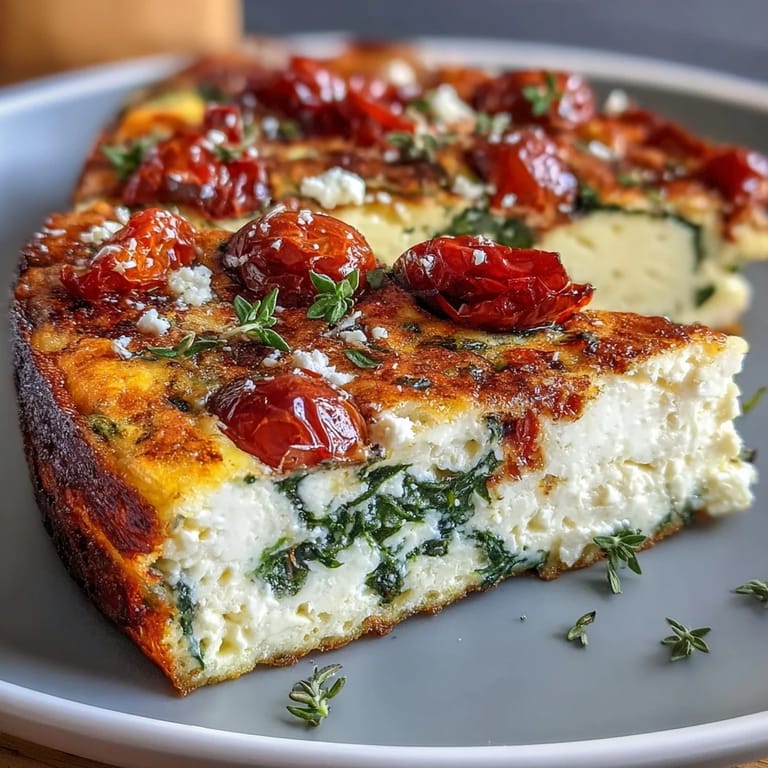
Pin This frittata became my answer to the question I ask myself most mornings: what can I make that tastes like I care, while still leaving time to actually live my day? It's the kind of recipe that rewards you every single time.
Recipe FAQ
- → Can I use frozen spinach instead of fresh?
Yes, thaw and drain frozen spinach well before adding to avoid excess moisture affecting the texture.
- → How do I know when the frittata is cooked?
The edges should be set and lightly browned, with the center firm but slightly soft to the touch.
- → What type of cheese works best in this dish?
Feta is essential for its tangy flavor, complemented by Parmesan for a subtle nutty taste.
- → Can I make this dairy-free?
Replace feta and Parmesan with plant-based alternatives to keep the dish dairy-free.
- → What sides pair well with this frittata?
A simple green salad or crusty bread both complement the flavors and textures nicely.
- → Is this dish suitable for gluten-free diets?
Yes, all ingredients used are naturally gluten-free, but double-check cheese and tomato packaging if sensitive.