 Pin
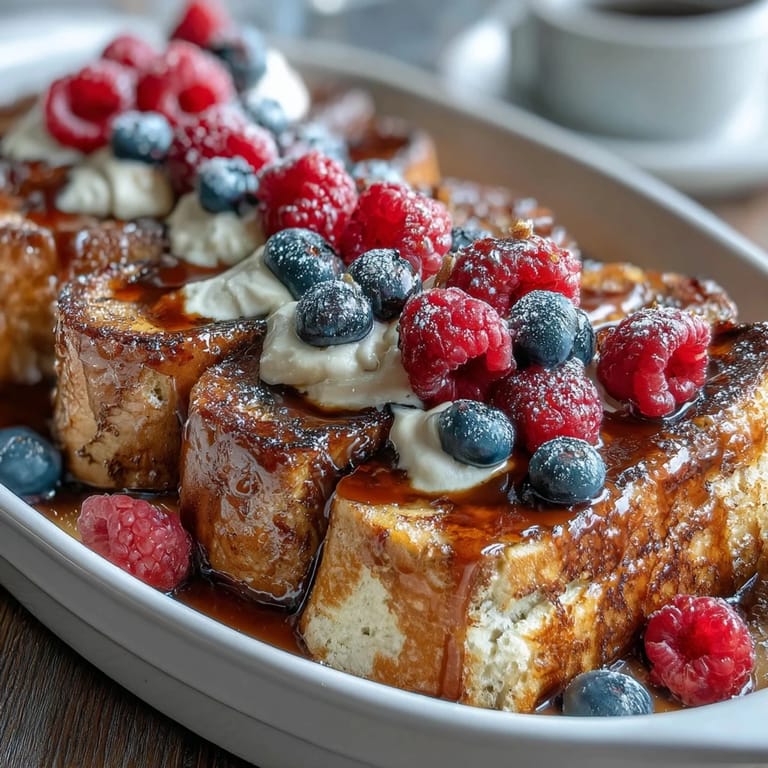
Pin My sister called me three days before Mother's Day in a mild panic—she'd promised to make brunch but had no idea where to start. I suggested this pancake casserole, and something clicked in her voice. There's magic in a dish that lets you do most of the work the night before, showing up to the table with something that looks like you've been cooking since dawn. When she pulled it from the oven that Sunday morning, golden and fragrant with lemon and berries, my mom actually teared up a little. It wasn't just breakfast; it was permission to sit down together without someone hovering over the stove.
My neighbor brought this to a surprise breakfast after I had my baby, and I remember being too tired to care about presentation but immediately comforted by how it looked on the table—generous, warm, not fussy. She'd baked it at home and brought it still warm in a covered dish. We ate it standing in my kitchen at odd hours over two days, and somehow those imperfect moments made it taste better than any brunch I'd actually sat down for.
Ingredients
- All-purpose flour: The foundation that keeps these pancakes tender when they soak in the custard; don't use cake flour or they'll turn mushy.
- Baking powder and baking soda: Work together to give the pancakes lift before they hit the pan, then they soften beautifully in the oven.
- Eggs (6 total, split between pancakes and custard): They're doing different jobs—some make the batter fluffy, others enrich and set the custard.
- Whole milk and heavy cream: The cream is non-negotiable for a silky custard that doesn't curdle; it's worth the splurge.
- Unsalted butter: Melted and stirred into the batter so every pancake has richness without needing a pat on top.
- Vanilla extract and lemon zest: Vanilla hides in the background, but lemon announces itself—use it if you want brightness, skip it if you prefer pure comfort.
- Mixed fresh berries: Strawberries, blueberries, raspberries, and blackberries all hold their shape and flavor; frozen berries work but won't look as stunning.
- Granulated and powdered sugar: One sweetens the berries and custard, the other is the final elegant touch people always notice.
- Maple syrup: Drizzle it warm over each serving so it pools into the custard and soaks into the pancakes.
Tired of Takeout? 🥡
Get 10 meals you can make faster than delivery arrives. Seriously.
One email. No spam. Unsubscribe anytime.
Instructions
- Set up your stage:
- Preheat your oven to 350°F and grease that 9x13-inch baking dish generously so nothing sticks to the corners. This step takes two minutes but saves you heartbreak later.
- Prepare the berries with intention:
- In a medium bowl, gently fold your mixed berries with 2 tablespoons sugar and a tablespoon of lemon juice, then let them sit while you make the pancakes. They'll release their juices and become even more flavorful without breaking apart.
- Mix the pancake batter:
- Whisk your dry ingredients together in one bowl, then combine eggs, milk, melted butter, and vanilla in another. Pour the wet into the dry and stir just until combined—lumps are fine, overmixing makes tough pancakes even in a casserole.
- Cook the pancakes:
- Heat a non-stick skillet over medium heat, lightly grease it, and pour batter to make 4-inch pancakes. Watch for bubbles on the surface, flip once, and cook until the second side is golden—you want 12 pancakes total, and letting them cool slightly makes them easier to handle when you cut them.
- Whisk the custard smooth:
- In a large bowl, combine 4 eggs, 1 cup milk, 1/2 cup heavy cream, 1/3 cup sugar, 1 teaspoon vanilla, and lemon zest if you're using it. Whisk until there are no streaks of egg white—a smooth custard bakes evenly and tastes silky.
- Layer with care:
- Cut your cooled pancakes in half and arrange them slightly overlapping in the baking dish like roof shingles. Scatter half the berries over them, then pour the custard evenly over everything, pressing gently so the pancakes absorb the liquid.
- Bake in two phases:
- Cover with foil and bake 30 minutes, then remove the foil and bake another 10 minutes until the custard is set and the top is lightly browned. A knife inserted in the center should come out clean with no runny custard.
- Rest and serve:
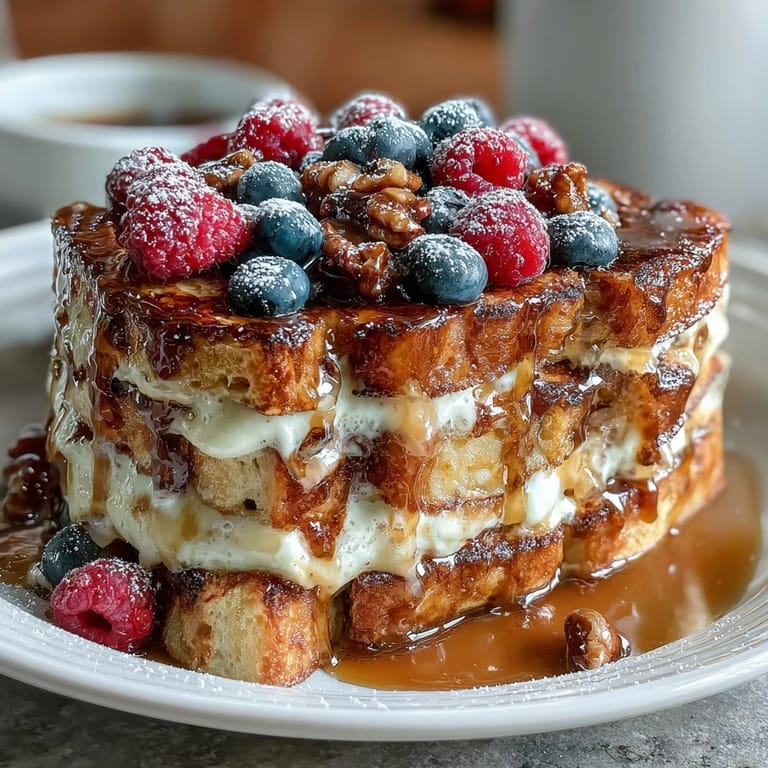
- Let it sit for 10 minutes so the custard sets completely and becomes easier to portion. Dust with powdered sugar just before serving and drizzle warm maple syrup over each slice.
 Pin
Pin I made this for a friend going through a rough patch, and she told me later that eating something this thoughtful, something that took time but didn't require me to perform or entertain while she recovered, meant more than she could say. Food isn't just fuel; sometimes it's the only way we know how to say 'I'm thinking of you and I want you to feel taken care of.'
Why This Works as a Make-Ahead Dish
The beauty of a casserole is that you can assemble it the night before, cover it tight with plastic wrap, and slip it into the oven while the coffee brews. The pancakes soften slightly overnight, which actually helps them absorb the custard more evenly. You're not scrambling to flip pancakes one at a time while guests wait—you're sliding a dish into the oven and becoming a person who has their life together, at least for this meal.
Flavor Variations That Feel Natural
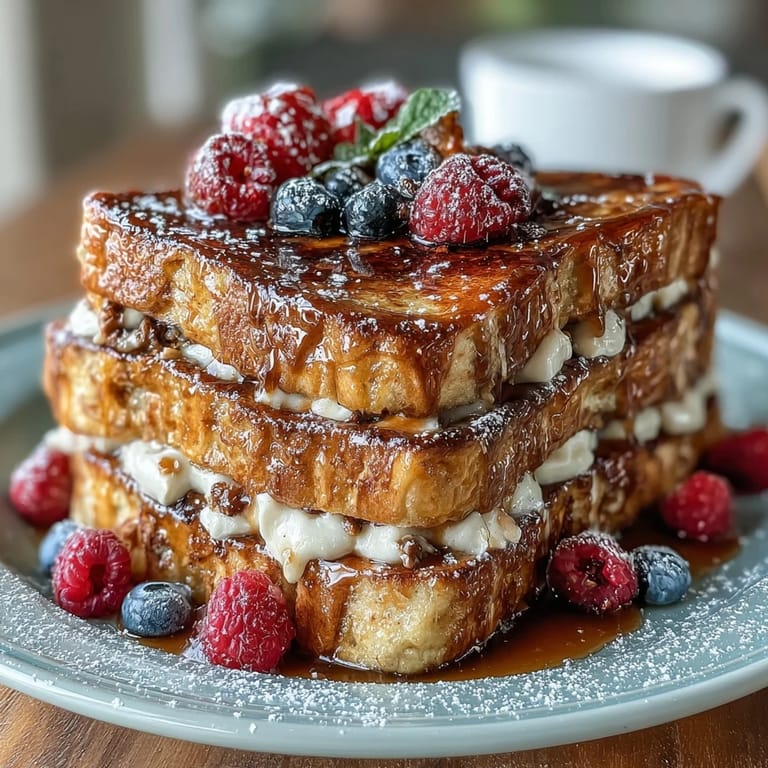
Start with this base because it's perfect, but here's where you can play without overthinking it. A handful of chopped pecans or toasted almonds stirred into the custard adds texture and richness that makes people pause and ask what you did differently. Cream cheese swirled into the custard before pouring creates pockets of tang that wake up your palate between bites. If you want warmth, add a pinch of cinnamon or nutmeg to the pancake dry ingredients—enough to smell it but not enough to taste it directly.
Timing and Temperature Mastery
The oven temperature matters more here than in regular pancakes because you're cooking custard, not just browning batter. 350°F is forgiving and lets the custard set gently without curdling the eggs or browning the top too dark. If your oven runs hot, start checking at 35 minutes; if it runs cool, you might need 45. A kitchen thermometer tucked into the center tells you when the custard has hit that sweet spot of set but still tender, which is honestly the hardest thing to judge by eye alone.
- Test doneness by inserting a knife off-center; if it comes out with just a few wet crumbs clinging, you're done.
- The top should have patches of golden brown, not a deep mahogany, or the custard underneath is likely overcooked.
- Let it rest in a warm spot if your kitchen is cold, or it'll firm up too aggressively and become bouncy instead of creamy.
 Pin
Pin This casserole became my go-to for the moments when showing up matters more than impressing anyone. It's the kind of food that says 'I respect your time and your appetite,' and honestly, that's when people feel most celebrated.
Recipe FAQ
- → How do I prevent pancakes from becoming soggy in the casserole?
To avoid sogginess, briefly cool pancakes before layering and ensure the custard is evenly poured. Baking times help firm the texture.
- → Can I use frozen berries instead of fresh ones?
Yes, frozen berries can be used but should be thawed and drained to avoid excess moisture affecting custard consistency.
- → What is the best way to store leftovers?
Cover tightly and refrigerate leftovers for up to 2 days. Reheat gently in an oven or microwave before serving.
- → Can I substitute milk with a dairy-free alternative?
Yes, almond or oat milk works well in both pancake batter and custard, though texture may vary slightly.
- → Is it possible to prepare this dish ahead of time?
You can assemble the casserole the night before and refrigerate, then bake it fresh in the morning for convenience.