 Pin
Pin I first tasted proper döner at a busy Istanbul street stall, standing shoulder-to-shoulder with locals as the cook carved thin, golden ribbons from a vertical spit that had been turning all day. The meat was impossibly tender, each slice glistening with fat and spices, and I realized that what I'd eaten at home was just a shadow of the real thing. That day, I decided I had to figure out how to recreate it in my own kitchen, even without the dramatic rotating spit. What I discovered is that the magic isn't just in the cooking method—it's in the patience of marinating, the careful layering, and the respect for those warm spices that make the whole thing sing.
My sister came home from work one evening just as I was pulling the döner from the oven, and the smell hit her before she even took off her coat. She stood in the kitchen, breathing it in, and whispered that it smelled exactly like the food stalls in Beyoğlu. We loaded up warm pita with the meat, cold tomatoes, crisp lettuce, and a generous dollop of garlicky yogurt, and she ate three sandwiches without saying much of anything—which, coming from her, meant it was perfect.
Ingredients
- Boneless lamb shoulder or beef sirloin (1 kg), thinly sliced: Lamb gives you that authentic, slightly gamey richness that makes döner unforgettable, though beef works beautifully if you prefer something milder. Ask your butcher to slice it thin, or freeze the meat for a couple hours and slice it yourself—a sharp knife and a steady hand make all the difference.
- Lamb fat or beef fat, thinly sliced (100 g, optional): This isn't just decoration; those thin layers of fat melt into the meat during cooking and keep everything impossibly moist while adding authentic flavor that oil alone can't match.
- Plain Greek yogurt (150 g): The yogurt is your secret weapon for tenderness, breaking down the meat fibers slowly while the marinade time does its work.
- Olive oil (3 tbsp): Choose a good quality one; it carries the fat-soluble flavors of the spices into the meat.
- Garlic, minced (3 cloves): Fresh garlic mellows beautifully during marinating, becoming almost sweet and adding depth without the raw bite.
- Large onion, grated (1), juice squeezed out: Grating releases the onion's natural enzymes that help tenderize the meat, and squeezing out the excess liquid keeps the marinade from becoming watery.
- Ground cumin and ground coriander (2 tsp each): These warm spices are the backbone of döner's flavor profile; they build together into something that tastes far more complex than their individual parts.
- Sweet paprika and smoked paprika (2 tsp and 1 tsp): The combination gives you both brightness and a subtle smokiness that hints at time spent near the spit.
- Ground black pepper, salt (1 tsp and 1½ tsp): Pepper should be freshly ground if possible; pre-ground loses its punch too quickly.
- Ground cinnamon and chili flakes (½ tsp each, cinnamon; chili flakes optional): A whisper of cinnamon adds warmth and a hint of sweetness, while chili flakes bring heat that builds slowly on the palate.
Tired of Takeout? 🥡
Get 10 meals you can make faster than delivery arrives. Seriously.
One email. No spam. Unsubscribe anytime.
Instructions
- Build your marinade foundation:
- In a large bowl, whisk together the yogurt and olive oil until smooth, then stir in the minced garlic, grated onion, and all your spices. The mixture should smell intensely aromatic—cumin, coriander, and paprika creating something that already feels like Istanbul. Take a moment to taste a tiny pinch on your finger; it should make you want what's coming next.
- Coat the meat thoroughly:
- Add your sliced meat and fat (if using) to the marinade and use your hands to coat every piece, making sure nothing is left dry. The marinade should cling to the meat like a second skin. Cover the bowl with plastic wrap and slide it into the refrigerator—let time do the heavy lifting for at least four hours, though overnight is when the real magic happens.
- Prepare for cooking:
- Heat your oven to 200°C (400°F) about thirty minutes before you're ready to cook. If you have access to a vertical rotisserie, use it; if not, don't worry—your oven will deliver something nearly as good.
- Layer and compress the meat:
- Drain off excess marinade (save it for basting), then thread the marinated meat onto metal skewers, pressing down firmly as you go to create a tight, compact stack. If you prefer, layer everything into a loaf pan instead, pressing down between each layer—the goal is density, so the meat steams and crisps at once.
- Roast until golden and tender:
- Place your skewer or pan on a rack set over a baking tray and slide it into the oven. Roast for about an hour, basting with the reserved marinade and any pan juices every fifteen minutes or so; this keeps the top from drying while the inside stays moist. In the last fifteen minutes, bump the temperature up to 220°C (430°F) to encourage browning and a slight crust.
- Rest and slice:
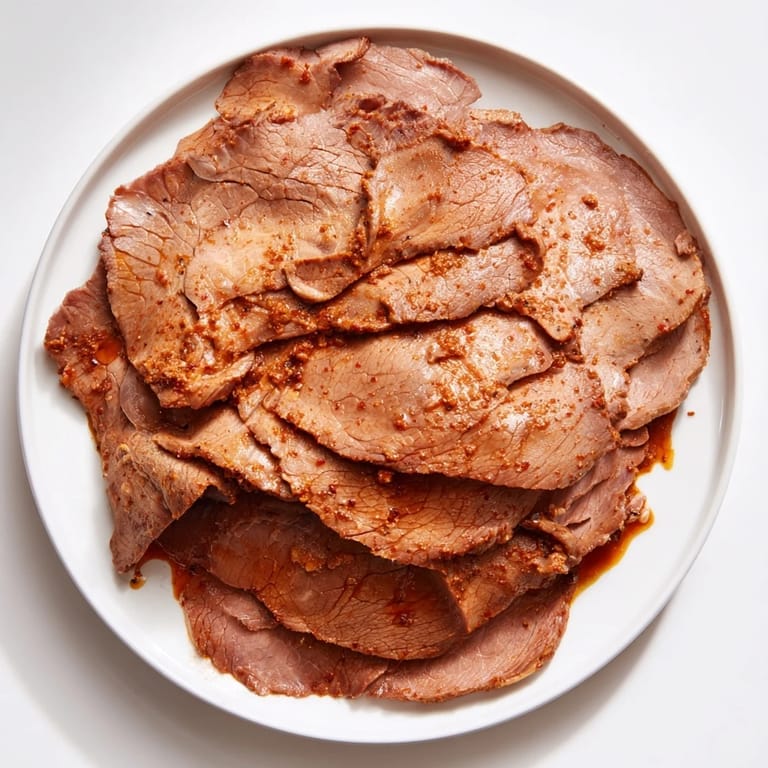
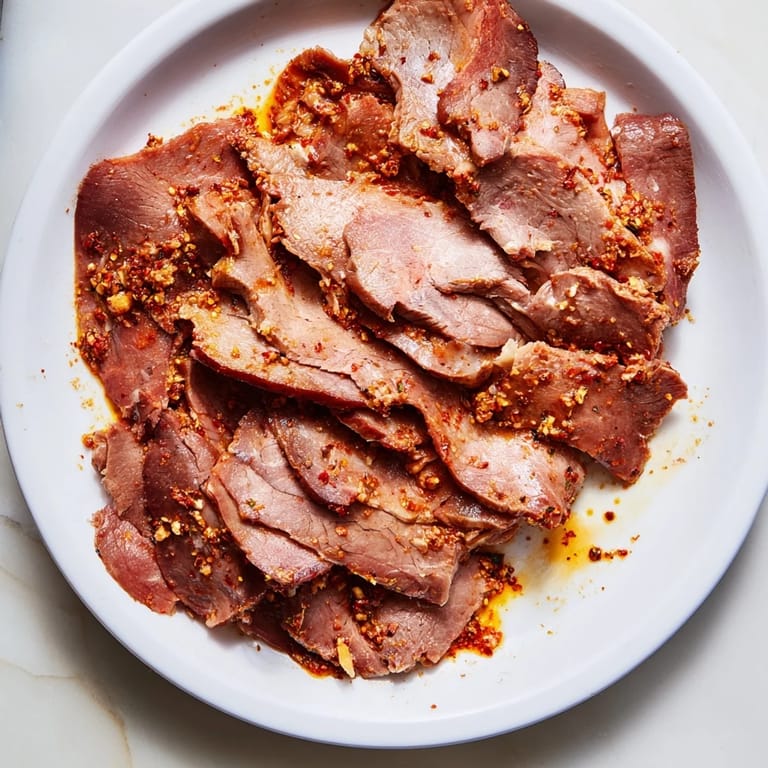
- Remove from the oven and let the meat rest for ten minutes—this lets the juices settle back into the meat rather than running out onto your cutting board. Using a very sharp knife, slice as thin as you possibly can, going almost perpendicular to the grain. Thinner slices mean more crispy edges, which is where the real pleasure lives.
- Serve immediately:
- Warm your pita or flatbread directly over a gas flame or in a dry pan for just a few seconds on each side, then load it up with meat, crisp vegetables, and cool yogurt sauce. Eat it while the bread is still warm and the meat is still steaming.
 Pin
Pin There's something almost ceremonial about slicing döner fresh from the oven, watching the steam rise off each ribbon of meat, knowing that in just a moment you're about to taste something that tastes like travel and patience and care all layered together. My neighbor smelled it cooking and knocked on the door; by the time we sat down, there were five of us around the table, and not one person said a word until the food was mostly gone.
Why the Spices Matter
The magic of döner lives in the spice blend, which is why I'm particular about using whole spices ground fresh whenever possible. Cumin and coriander together create a warm, almost nutty base that feels like home cooking in Turkey, while paprika—especially the smoked variety—adds color and a subtle depth that hints at smoke and time. The cinnamon isn't meant to be obvious; it's a whisper in the background that makes people say the meat tastes complex without being able to name why. Toast your spices lightly in a dry pan before grinding them if you have the time; it wakes them up and makes the whole marinade taste more alive.
About the Fat Layer
In Turkey, döner spits are built in alternating layers of lean meat and fat, and there's a reason for that. The fat renders during cooking and keeps the meat impossibly moist while adding flavor that oil simply can't replicate. If you can find lamb fat or beef fat from your butcher, ask them to slice it thin and include it in your marinade just like the meat. If you can't find it, your döner will still be delicious, just slightly less rich and authentic. Some cooks add extra olive oil to compensate, which works, but nothing quite replaces the real thing.
Serving and Storage
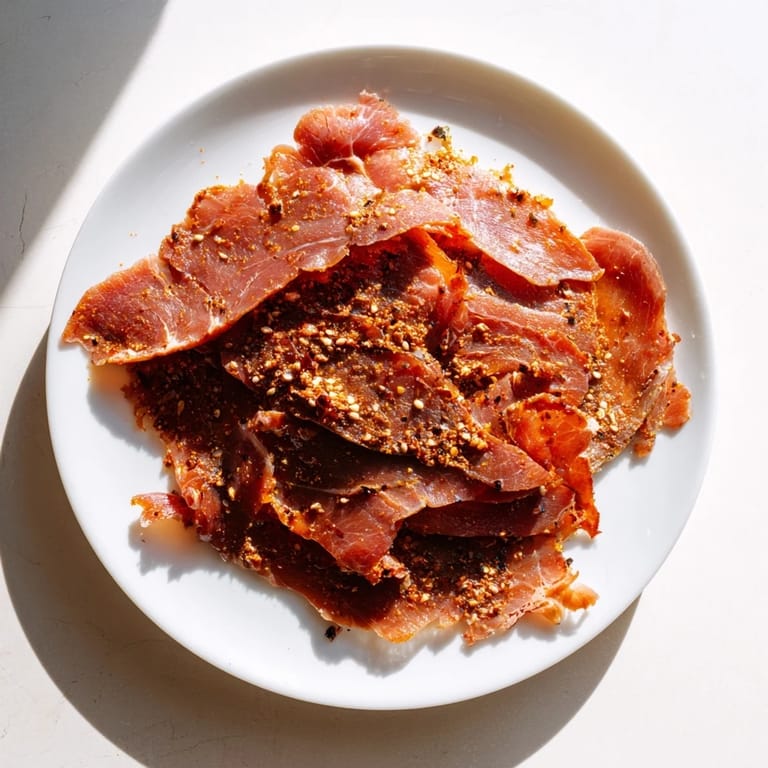
Döner is best served the moment it comes out of the oven, when the meat is still steaming and the outsides are just beginning to crisp. Warm your flatbread, pile on the meat, add crisp vegetables, and finish with cool yogurt sauce; the contrast between hot and cold, tender and crisp, is where the whole dish comes alive. Leftovers keep for three or four days in the refrigerator, and you can gently reheat them in a low oven or even in a pan with a splash of water to steam them back to tenderness.
- If you're feeding a crowd, make this the day before and reheat gently just before serving.
- For extra authenticity, serve with Ayran (a cold yogurt drink) or a crisp Turkish white wine on the side.
- Don't skip the fresh vegetables and yogurt sauce—they're not optional, they're what makes it taste like the real thing.
 Pin
Pin Making döner at home is an act of love that tastes like respect for the dish and the people you're feeding. The first time someone closes their eyes while eating your version and says it tastes like Turkey, you'll understand why I keep coming back to this recipe.
Recipe FAQ
- → What type of meat works best for this dish?
Boneless lamb shoulder or beef sirloin, thinly sliced, provide the ideal texture and flavor for authentic results.
- → How long should the meat marinate?
Marinating for at least 4 hours or overnight ensures the spices and yogurt deeply infuse the meat for tenderness and flavor.
- → Can it be cooked without a vertical rotisserie?
Yes, stacking the marinated meat on skewers or in a loaf pan and roasting in the oven yields excellent results mimicking the traditional method.
- → What spices are essential in the marinade?
Cumin, coriander, sweet and smoked paprika, black pepper, cinnamon, and optional chili flakes contribute to the characteristic aromatic layers.
- → How should the meat be served?
Thinly sliced meat pairs wonderfully with warm flatbreads or rice, accompanied by fresh vegetables like sliced tomatoes, onions, and cucumber, along with yogurt or garlic sauce.
- → Are there tips to enhance authenticity?
Using lamb fat for richness and cooking on a vertical rotisserie or grill closely replicates traditional textures and flavors.