 Pin
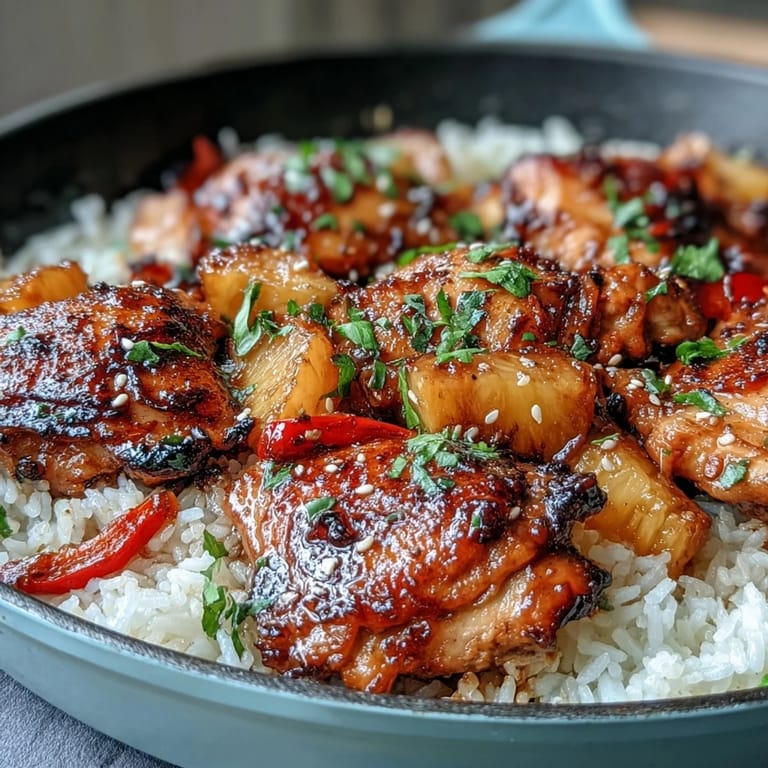
Pin There's something about the sizzle of chicken hitting a hot skillet that pulls me back to a Tuesday evening when my neighbor stopped by with a bag of fresh pineapple from her farmers market trip. We stood in my kitchen tossing ideas around, and somehow we landed on mixing that tropical fruit into a one-pan rice dinner. What started as improvisation became something I've made dozens of times since, each time feeling a little less like cooking and more like a familiar conversation with an old friend.
I made this for my book club last month, and honestly, I was nervous because I'd changed the rice type at the last minute. But watching everyone go quiet and just eat—no phones, no chitchat—told me something was working. One person asked for the recipe before dessert was even served, which has never happened before.
Ingredients
- Boneless, skinless chicken breast or thighs (1 lb): Thighs stay juicier if you tend to overcook like I do, but breasts work beautifully if you keep an eye on them.
- Long-grain white rice (1 cup, rinsed): Rinsing removes the starch and prevents gumminess—I learned this the hard way with my first attempt.
- Red and yellow bell peppers: The color isn't just pretty; each pepper brings slightly different sweetness levels to balance the dish.
- Fresh pineapple chunks (1 cup): Fresh tastes noticeably brighter than canned, but canned drained pineapple is honestly just fine and saves time.
- Yellow onion and garlic (minced): These two are the flavor foundation; don't skip them even though they seem simple.
- Low-sodium soy sauce (1/4 cup): Low-sodium gives you control over the saltiness without the aggressive bite of regular soy sauce.
- Pineapple juice (1/4 cup): This is what ties the sweet fruit to the savory sauce without making it cloying.
- Honey or brown sugar (2 tbsp): Brown sugar dissolves faster and adds a subtle molasses note that feels less obvious than honey.
- Rice vinegar (1 tbsp): This brings brightness and cuts through richness in a way regular vinegar can't quite match.
- Sesame oil (1 tsp): A small amount goes a long way; this is what makes the sauce taste intentional rather than accidental.
- Chicken broth (2 cups): Use low-sodium so the soy sauce's saltiness doesn't overwhelm everything else.
- Vegetable oil (2 tbsp total): Split between browning chicken and sautéing vegetables keeps flavors from muddying together.
Tired of Takeout? 🥡
Get 10 meals you can make faster than delivery arrives. Seriously.
One email. No spam. Unsubscribe anytime.
Instructions
- Brown the chicken first:
- Heat 1 tablespoon oil over medium-high heat until it shimmers, then add chicken pieces seasoned with salt and pepper. You'll know they're ready to flip when they release easily from the pan—they'll tell you when. This takes about 5 minutes total.
- Build the aromatics:
- With the chicken set aside, add the remaining oil and let the onion and garlic perfume the pan for 2 minutes; you'll smell when it's right. Toss in the bell peppers and give them 3 to 4 minutes to soften just slightly, keeping them still a bit snappy.
- Toast the rice:
- Stir the rinsed rice into the pan and let it sit undisturbed for about a minute—this one small step changes everything about texture. It sounds quiet but it's doing important work.
- Mix the sauce:
- While the rice toasts, whisk together soy sauce, pineapple juice, honey, vinegar, sesame oil, and black pepper in a bowl. Return the chicken to the skillet, pour the sauce over everything, and give it one good stir.
- Simmer to doneness:
- Add the broth and pineapple chunks, bring to a boil, then cover and reduce to low heat for 18 to 20 minutes. The rice will absorb all that liquid and taste like it was always meant to taste this way.
- Optional thickening:
- If you want a saucier finish, stir in the cornstarch slurry and cook for a minute or two until it coats the back of a spoon. Not everyone needs this step, but it's there if you do.
- Finish and serve:
- Fluff the rice gently with a fork, scatter green onions over the top, and serve while it's hot and fragrant. This is the moment where it stops being cooking and becomes sharing.
 Pin
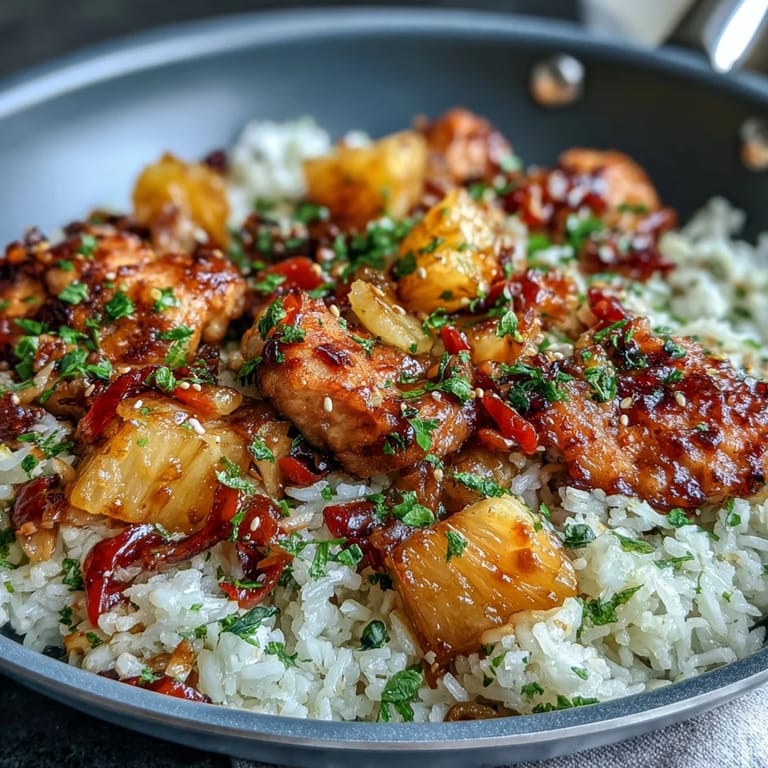
Pin My six-year-old nephew called this "the happy rice" the first time he tried it, and now my sister makes it every time he asks. There's something about the combination that feels celebratory without being fussy, which is exactly what weeknight dinners should be.
Why the Sauce Actually Works
The magic isn't in any single ingredient but in how they talk to each other. Soy sauce brings umami depth, pineapple juice adds natural sweetness and acidity, honey rounds everything out, and that small pour of sesame oil whispers that this meal was made with intention. I spent a long time thinking balance in cooking was complicated until I realized it's just about listening to what each component wants to contribute.
Customizing Without Fear
One of my favorite things about this recipe is that it doesn't punish you for changes. Brown rice works but needs a bit more liquid and time. Snap peas, carrots, or broccoli can join the party without throwing anything off balance. Even the spice level is yours to adjust; some evenings I add red pepper flakes, other times I don't.
The Practical Details That Matter
A skillet with a lid is genuinely important here because you need that trapped steam to cook the rice properly. If you don't have a lid that fits, a baking sheet or even foil works in a pinch—I've used both when my actual lid was in the dishwasher. The whole thing takes less time than it takes to get through your email.
- Rinsing the rice before cooking removes surface starch and prevents the finished dish from being gluey.
- Don't walk away during the simmering step, even though the instructions say low heat; a quick peek at 15 minutes tells you everything you need to know.
- Green onions are garnish but they're also texture and freshness; they matter more than they seem.
 Pin
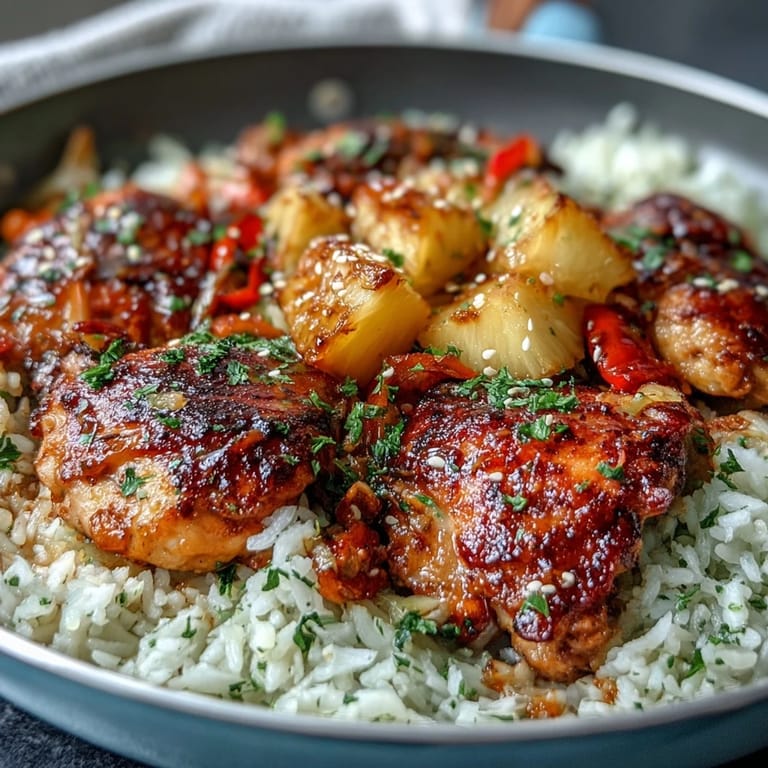
Pin This dish sits at the intersection of effort and reward in a way that reminds me why I love cooking. It's restaurant-quality without pretension, impressive without stress.
Recipe FAQ
- → What type of chicken works best for this dish?
Boneless, skinless chicken breasts or thighs work well due to their tenderness and even cooking.
- → Can I use brown rice instead of white rice?
Yes, but increase the broth amount and extend the simmering time to ensure the rice is fully cooked.
- → How can I thicken the sauce if desired?
Mix cornstarch with water to create a slurry, then stir it in during the last minutes of cooking to thicken the sauce.
- → Are there options to increase the dish's spice level?
Add crushed red pepper flakes or a sliced chili while sautéing garlic to introduce some heat.
- → What vegetables can be added for variety?
Snap peas, carrots, or broccoli can be included to add texture and extra nutrients.