 Pin
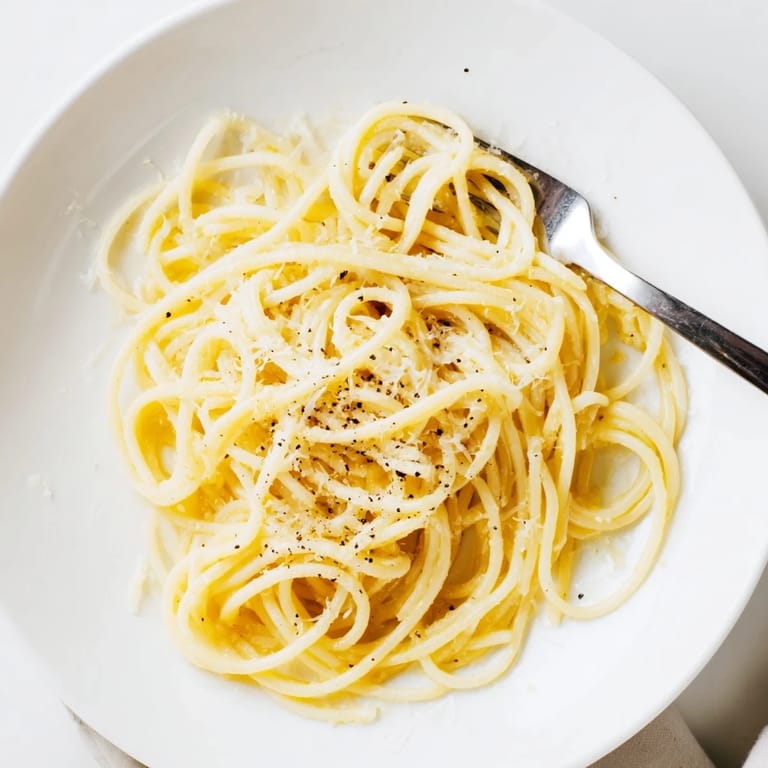
Pin The first bowl I ever ate in Rome was nothing like I expected. No tomatoes, no basil, no garlic—just pasta, cheese, and pepper. I watched the chef work in silence, tossing spaghetti in a wide pan with nothing but starchy water and grated Pecorino, and somehow it became this glossy, creamy miracle. That night changed how I thought about cooking entirely.
I made this for my sister after she came home from a long shift at the hospital. She sat at the counter, exhausted, and I handed her a bowl without saying much. Halfway through, she looked up and said it tasted like comfort in the simplest form. Thats exactly what Cacio e Pepe is—unassuming, direct, and somehow deeply satisfying.
Ingredients
- Spaghetti (400 g): The long strands are traditional and grab the sauce beautifully, but any pasta shape with good surface area works if thats what you have on hand.
- Pecorino Romano cheese (120 g, finely grated): This is the soul of the dish—salty, tangy, and sharp. Grate it fresh right before you cook, and never use the pre-grated stuff or it wont melt properly.
- Freshly cracked black pepper (2 tsp, plus extra): Toasting it in the pan wakes up its flavor and adds a warm, aromatic depth that makes the whole dish come alive.
- Salt: You need it for the pasta water, but go easy since Pecorino is already quite salty.
Tired of Takeout? 🥡
Get 10 meals you can make faster than delivery arrives. Seriously.
One email. No spam. Unsubscribe anytime.
Instructions
- Boil the Pasta:
- Bring a large pot of salted water to a rolling boil and add the spaghetti. Cook it until just al dente, then scoop out a full cup of that starchy pasta water before you drain—it's the secret to a silky sauce.
- Toast the Pepper:
- While the pasta cooks, warm a large skillet over low heat and add the black pepper. Let it toast for a minute or two until it smells warm and fragrant, but dont let it burn.
- Build the Base:
- Pour about half a cup of the reserved hot pasta water into the skillet with the toasted pepper. Let it simmer gently and create a peppery broth.
- Toss the Pasta:
- Add the drained spaghetti directly into the skillet and toss it around so every strand gets coated in that peppery water. The pasta should look glossy and alive.
- Add the Cheese:
- Turn the heat to the lowest setting, then gradually sprinkle in the grated Pecorino while tossing constantly. Add more pasta water a splash at a time until the cheese melts into a creamy, clinging sauce instead of clumping.
- Serve Hot:
- Plate immediately and finish with extra grated Pecorino and a few more cracks of black pepper. This dish waits for no one.
 Pin
Pin One evening, I served this to a friend who claimed she didnt like simple food. She took one bite, paused, and admitted she was wrong. Sometimes the most unfussy dishes teach us that flavor doesnt need to shout to be memorable.
Choosing Your Cheese
Pecorino Romano is traditional and brings that sharp, salty punch that defines Cacio e Pepe. If you cant find it or want something milder, Parmigiano Reggiano works, though the flavor will be nuttier and less assertive. I once used a blend of both when I ran low on Pecorino, and it turned out beautifully balanced.
Getting the Sauce Just Right
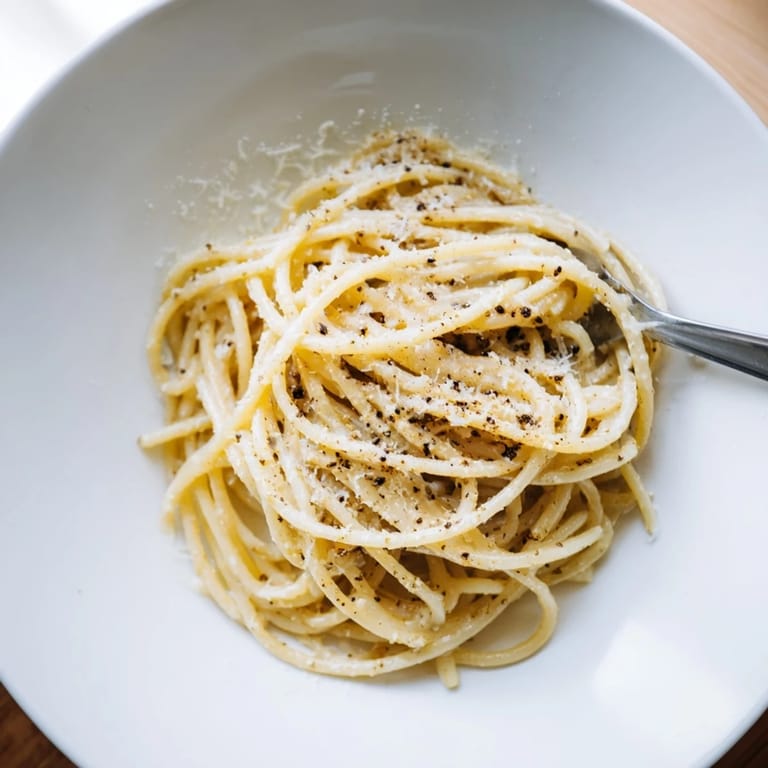
The key is controlling the heat and adding pasta water slowly. The sauce should look loose and glossy in the pan because it will thicken as it cools on the plate. If it gets too thick, add another splash of pasta water and toss again. I learned this the hard way after serving a batch that turned dry and clumpy within seconds.
Serving and Pairing
Cacio e Pepe is best eaten immediately, straight from the pan to the bowl. It doesnt hold well, so make it when everyone is ready to eat. A crisp white wine like Vermentino or Pinot Grigio cuts through the richness perfectly.
- Serve with a simple arugula salad dressed in lemon and olive oil.
- Pair with crusty bread to soak up any sauce left in the bowl.
- Finish with fresh fruit or a light sorbet to cleanse the palate.
 Pin
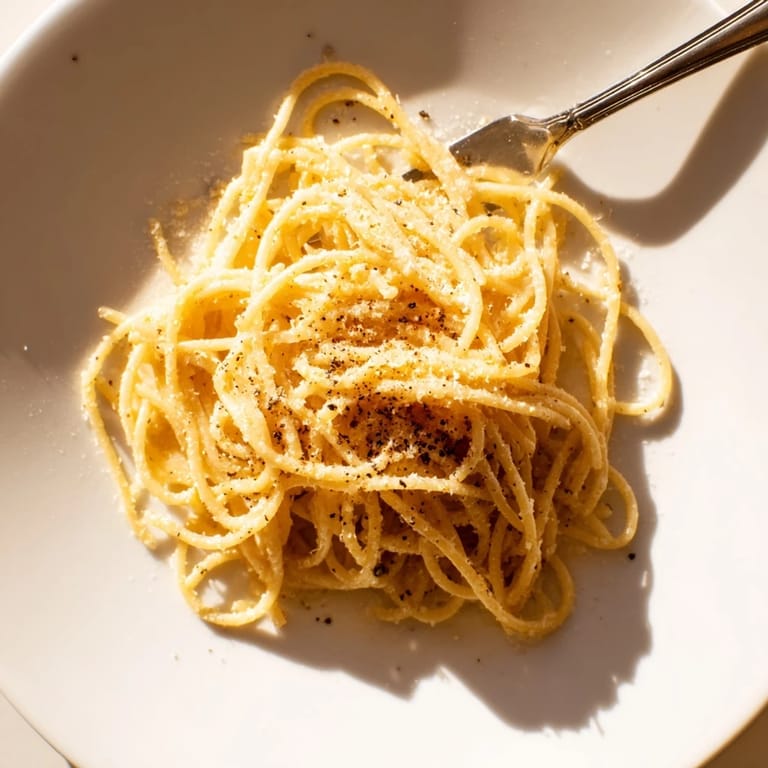
Pin This dish reminds me that cooking doesnt have to be complicated to be exceptional. Keep good ingredients on hand, respect the technique, and youll have something worth sharing every single time.
Recipe FAQ
- → Why does my Cacio e Pepe sauce become clumpy?
Clumping occurs when cheese is added too quickly or to water that's too hot. Add cheese gradually while stirring vigorously, and maintain a gentle heat. Tempering the cheese with reserved pasta water prevents it from seizing up.
- → Can I use Parmigiano Reggiano instead of Pecorino Romano?
Yes, Parmigiano Reggiano works as a substitute and provides a milder, less salty flavor. The sauce will be slightly less intense, but still delicious. For best results, use freshly grated cheese rather than pre-grated varieties.
- → How do I achieve the perfect creamy sauce?
The sauce forms through emulsification of cheese and starchy pasta water. Reserve generous amounts of cooking water, add cheese gradually while tossing constantly, and adjust consistency by adding more water as needed. The starches in the water help create that silky texture.
- → What wine pairs well with this dish?
Crisp white wines like Vermentino or Pinot Grigio complement the rich, peppery sauce beautifully. The acidity cuts through the cheese's richness and balances the heat from the black pepper.
- → Can I prepare this dish ahead of time?
Cacio e Pepe is best served immediately after cooking. The sauce continues to set as it cools, so prepare all ingredients beforehand, then cook and assemble just before serving for optimal creaminess.
- → How much black pepper should I use?
Two teaspoons of freshly cracked pepper creates balanced flavor for four servings. However, adjust to your preference—this dish celebrates pepper's character. Toast it briefly before adding water to enhance its aromatic qualities.