 Pin
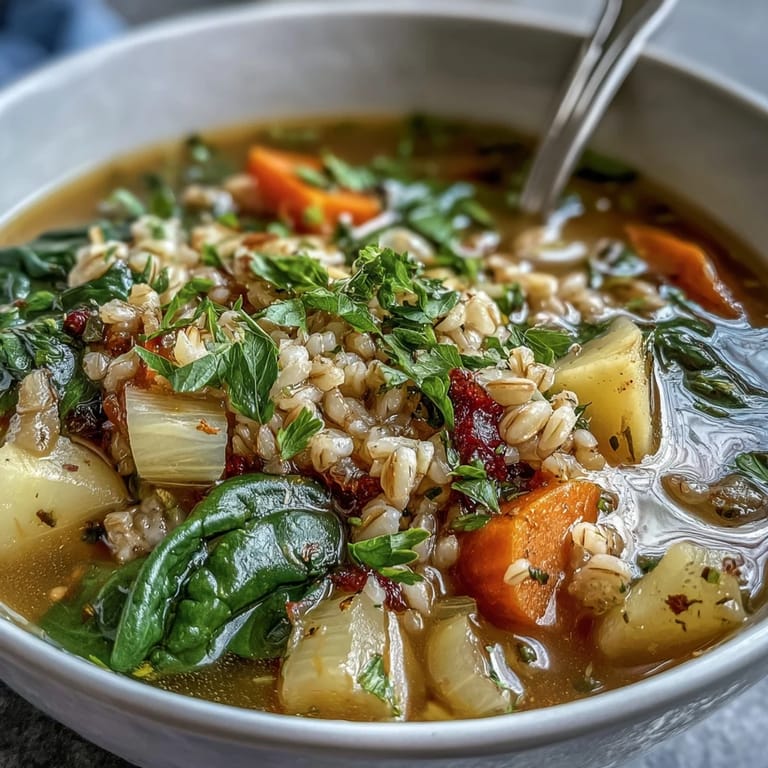
Pin There's a particular Saturday afternoon I think of whenever the weather can't quite decide between winter and spring, when you open the window and smell both frost and thaw at once. I was cleaning out my vegetable drawer, staring at a pile of root vegetables that needed rescuing, when it hit me that this was the moment to make something substantial enough to ground the season but light enough to let the first green shoots of spinach shine through. That's how this soup came to be, born from both necessity and the odd magic of cooking with what's lingering from winter while reaching toward spring.
I made this for my neighbor last March when she was recovering from the flu, and I remember how she emerged from her apartment door looking thin and tired. The moment she smelled it warming on her stove, something shifted in her expression, like the soup had already started doing its work. She texted me later that week saying she'd made a huge batch and frozen portions, which somehow meant more to me than any compliment could have.
Ingredients
- Leek: The white and light green parts are sweeter and milder than the dark tops, creating a subtle backbone of flavor that won't overpower the delicate spring vegetables.
- Carrots and parsnips: These two are the workhorses here, lending both sweetness and body to the broth as they soften.
- Rutabaga: It has an earthy, slightly peppery character that's often overlooked, but it adds real depth to the pot.
- Green cabbage: This keeps its slight crunch and mild bite even after cooking, providing texture contrast.
- Baby spinach: Added at the very end so it stays bright and tender, never mushy.
- Pearl barley: Rinsed well first, this grain plumps up beautifully and creates a naturally creamy texture.
- Vegetable broth: Use low-sodium so you control the seasoning and the vegetables' voices stay clear.
- Bay leaf, thyme, and marjoram: This trio is classic for a reason, especially with root vegetables, grounding everything with quiet herbaceous warmth.
Tired of Takeout? 🥡
Get 10 meals you can make faster than delivery arrives. Seriously.
One email. No spam. Unsubscribe anytime.
Instructions
- Soften the foundation:
- Heat your oil over medium heat and add the leek, carrots, parsnips, rutabaga, and celery together. You'll notice them begin to release their sweetness after about five minutes, filling the kitchen with that unmistakable autumn-to-spring smell. Let them go until they're just starting to yield when you poke them with a spoon.
- Wake it up with garlic:
- Add the minced garlic and stir constantly for just about a minute, watching until the raw edge disappears and fragrance blooms. This brief moment transforms the whole pot's aroma.
- Build the base:
- Stir in your rinsed barley, then pour in all the broth at once. Add the bay leaf and dried herbs, and bring everything to a rolling boil. The barley grains will begin to dance and bob on the surface.
- Let it simmer:
- Once boiling, lower the heat, cover the pot, and let it bubble gently for thirty-five minutes, stirring now and then. The barley should start to soften and the root vegetables will become completely tender. You can peek under the lid and inhale—the soup will smell almost buttery by this point.
- Finish with the greens:
- Add the shredded cabbage and chopped spinach, stirring gently, and let everything cook uncovered for five to seven minutes more. The spinach will collapse from vibrant to tender dark ribbons, and the cabbage keeps a pleasant bite. This is when the soup transforms from warming to nourishing.
- Season and serve:
- Taste and add salt and pepper as you like it, then fish out the bay leaf before ladling into bowls. Finish each bowl with a scatter of fresh parsley and take a moment to appreciate what you've made.
 Pin
Pin I've come to understand that this soup is one of those dishes that holds different meanings depending on when you make it. In late February, it's a rebellion against winter, a way of saying you're ready for change. By mid-April, it becomes something like a goodbye to the root vegetables, a celebration before the summer squash takes over.
Why This Soup Bridges Seasons
There's something almost alchemical about a pot that honors both what's leaving and what's arriving. The heavy root vegetables ground you in the comfort of cooler months, while the spinach and fresh parsley whisper promises of warmer days ahead. This isn't a soup that chooses a season, it holds both in one spoon.
Making It Your Own
Once you've made this soup once, you'll notice how easily it adapts to what's in your drawer. Some cooks add white beans or chickpeas for extra protein and substance, others swap the rutabaga for potatoes or sweet potatoes depending on what feels right. A squeeze of fresh lemon juice right before serving can brighten everything, or a small handful of grated Parmesan if you're not keeping it strictly vegan.
Serving and Storage
This soup tastes good hot on the day you make it, but it's even better the next day, when all the flavors have had time to know each other. It keeps well in the refrigerator for up to four days, and freezes beautifully for a quick meal later. Serve it with thick slices of crusty whole-grain bread to soak up every spoonful, and you have the kind of dinner that feels like home.
- Store leftovers in an airtight container in the refrigerator, and the soup will deepen in flavor each day.
- To freeze, let it cool completely, then portion into freezer-safe containers or bags.
- Reheat gently on the stovetop, and add a splash of broth or water if it's thickened too much.
 Pin
Pin There's quiet satisfaction in ladling a bowl of this soup for someone, watching them take that first taste and feel the warmth spread through them. That's what this recipe is really about.
Recipe FAQ
- → What vegetables are used in this dish?
Leek, carrots, parsnips, rutabaga, green cabbage, baby spinach, celery, and garlic form the vegetable base of this dish.
- → How is the barley prepared to ensure tenderness?
Pearl barley is rinsed before simmering gently with vegetables and broth for about 35 minutes until tender.
- → Can this be customized with protein additions?
Yes, cooked white beans or chickpeas can be stirred in with greens for added protein and texture.
- → What herbs enhance the flavor profile?
Dried thyme, marjoram, and bay leaf infuse the broth with a warm, aromatic depth.
- → Are there suitable substitutions for rutabaga?
Potatoes or sweet potatoes can replace rutabaga to vary texture and flavor.