 Pin
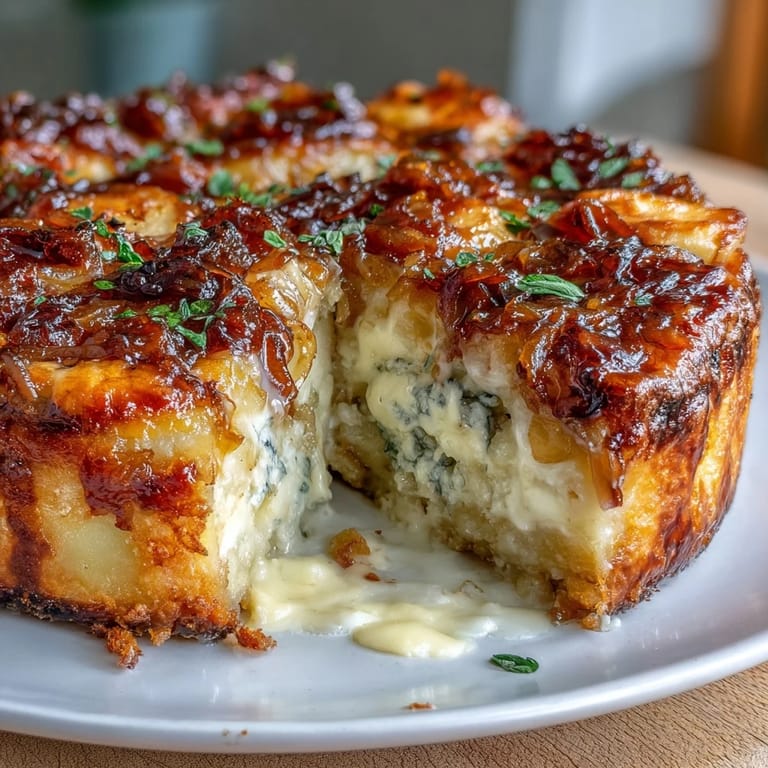
Pin There's something about a cheese and potato pie that stops time in a kitchen. My neighbor brought one over on a rainy Tuesday, and the smell that escaped when she opened the foil—nutmeg, caramelized onions, bubbling cheese—made everyone pause mid-conversation. I watched her slice into it, the cream clinging to the spatula, and knew I had to learn how to make it myself. This isn't fancy cooking; it's the kind of dish that makes people lean back in their chairs and sigh.
I made this for my partner's work friends on a Saturday night, terrified the layers would slide around or the cream wouldn't set properly. What actually happened was they asked for the recipe before dessert arrived, and someone took a photo of their plate before eating. That's when I realized this pie isn't about impressing people—it's about feeding them something so honest and comforting that it speaks for itself.
Ingredients
- Floury potatoes like Maris Piper or Yukon Gold, 1.2 kg, peeled and thinly sliced: These varieties have less moisture and break down gracefully in the oven, creating layers that stay distinct rather than turning into mush.
- Medium onions, 2, thinly sliced: Sliced thin means they soften into the cream without dominating; thick slices can be unpleasantly chewy.
- Garlic, 2 cloves, minced: Just enough to whisper in the background—too much and it shouts over the cheese and potatoes.
- Gruyère cheese, 150 g, grated: This is where the nutty, slightly sweet note comes from; it's the cheese that makes people say 'what is that flavor?'
- Mature cheddar cheese, 150 g, grated: The workhorse cheese that melts smoothly and adds color; mature means actual flavor, not the orange stuff from childhood.
- Double cream, 300 ml: The magic ingredient that turns this from a casserole into something luxurious; don't skimp or substitute with single cream.
- Unsalted butter, 50 g: Just enough to soften the onions without making them greasy—unsalted lets you control the salt level throughout.
- Whole milk, 100 ml: This dilutes the cream slightly so it bakes evenly and doesn't separate; think of it as a balancing act.
- Freshly grated nutmeg, 1/2 tsp: Ground nutmeg from a tin tastes like dust; freshly grated is almost floral and changes the entire dish.
- Dijon mustard, 1 tsp: Sounds odd until you taste it—it sharpens the cheese and makes everything taste more intentional.
- Salt and black pepper to taste: Season as you build the layers, not just at the end, so every bite has the same seasoning.
- Fresh chives, 2 tbsp, finely chopped, optional: A green flick at the end that catches the light and reminds people this came from care, not a packet.
Tired of Takeout? 🥡
Get 10 meals you can make faster than delivery arrives. Seriously.
One email. No spam. Unsubscribe anytime.
Instructions
- Set the stage:
- Preheat your oven to 190°C (375°F) and butter a 2-liter ovenproof dish thoroughly—corners matter. This is your five-minute head start that prevents sticking disasters later.
- Soften the onions and garlic:
- Melt butter in a large saucepan over medium heat, then add onions and garlic, stirring occasionally for 6–8 minutes until they turn translucent and smell sweet. They should never brown; if they do, the flavor turns bitter and regretful.
- Make the cream mixture:
- In a bowl, whisk together cream, milk, Dijon mustard, nutmeg, salt, and pepper until combined. This is where the entire personality of the pie lives, so taste it and adjust—more salt, more nutmeg, whatever feels right.
- Layer like you mean it:
- Lay half your potato slices in the dish, slightly overlapping like roof tiles so they cook evenly. Top with half the onion mixture, scattered like you're being generous, then sprinkle half the Gruyère and cheddar across.
- Complete the architecture:
- Repeat the layers with remaining potatoes, onions, and cheeses, finishing with cheese on top so it browns beautifully. This is the moment you can step back and admire what you've built.
- Pour and settle:
- Pour the cream mixture slowly and evenly over the layers, letting it seep down into the gaps. Use a spatula to press everything down gently—you want the layers to know each other, not so hard that you squish the potatoes.
- Bake covered:
- Cover tightly with foil and bake for 40 minutes; the foil traps steam so the potatoes cook through without the top drying out. You'll know it's working when you lift the foil and see steam escape like the oven is sighing.
- Finish golden:
- Remove the foil and bake for another 20 minutes until the top is bubbling around the edges and golden where the cheese has browned. This is when it smells so good that everyone appears in the kitchen asking when dinner is ready.
- Rest and serve:
- Let it sit for 10 minutes before cutting—this isn't idle time, it's when the cream sets just enough so slices stay whole. Scatter chives across if you have them, and serve while it's still warm enough to steam slightly.
 Pin
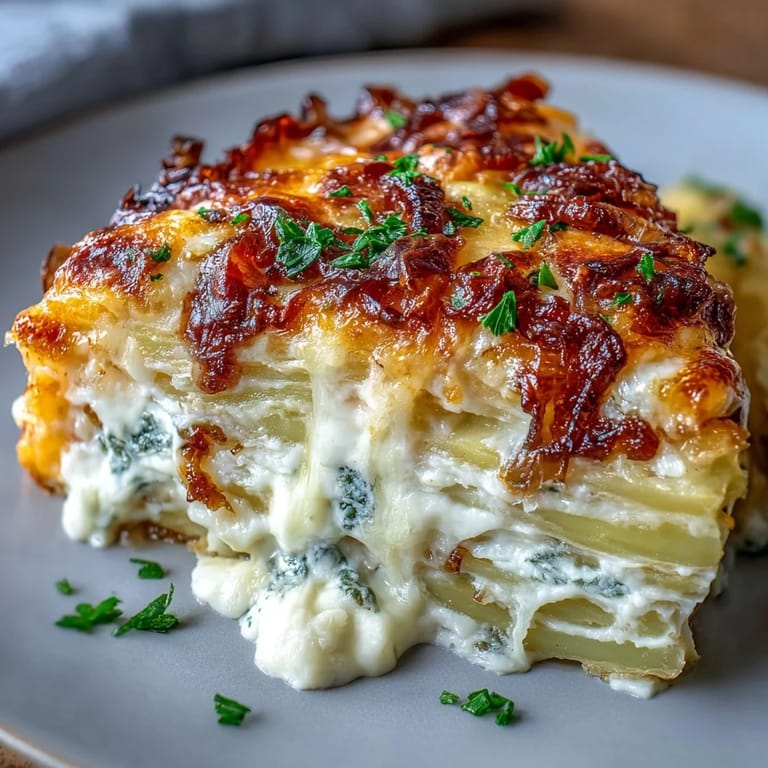
Pin My mother tried this on a cold evening and called me afterward to say she'd made a second one before the first was even finished. That's when I understood it wasn't the recipe that mattered—it was the moment when someone tastes something warm and honest and feels seen. Food that does that is worth learning.
The Secret of Layering
Layering isn't just technique here; it's respect for your ingredients. When you overlap the potatoes slightly, you're creating channels for the cream to travel through, ensuring every bite has that silky texture. I used to layer them haphazardly until a friend pointed out that thoughtful layering actually changes how the whole thing cooks and tastes—potatoes that bake surrounded by cream cook differently than potatoes pressed too tightly together.
Cheese Combinations Worth Trying
While Gruyère and cheddar are the backbone, this pie welcomes other cheeses like old friends. Emmental has a similar nuttiness if Gruyère isn't available, and I've swapped half the cheddar for Comté when I wanted something more complex. The rule I follow is keeping one cheese subtle and one bold, so they support each other rather than competing for attention.
Serving Suggestions and Storage
This pie pairs beautifully with something acidic and crisp—a simple green salad with vinaigrette, or steamed broccoli tossed with lemon. It's equally at home as a weeknight dinner or on a table where people are gathering and hungry. Leftovers keep well in the refrigerator for three days and reheat gently in a low oven, though honestly, eating cold slices straight from the dish at midnight is also acceptable.
- A sharp green salad with mustard vinaigrette cuts through the richness like a perfect counterbalance.
- If you're feeling it, add a pinch of smoked paprika to the cream mixture for a subtle depth that no one will identify but everyone will notice.
- Serve this warm enough that the cheese is still soft, which means it's genuinely delicious rather than a dense brick by morning.
 Pin
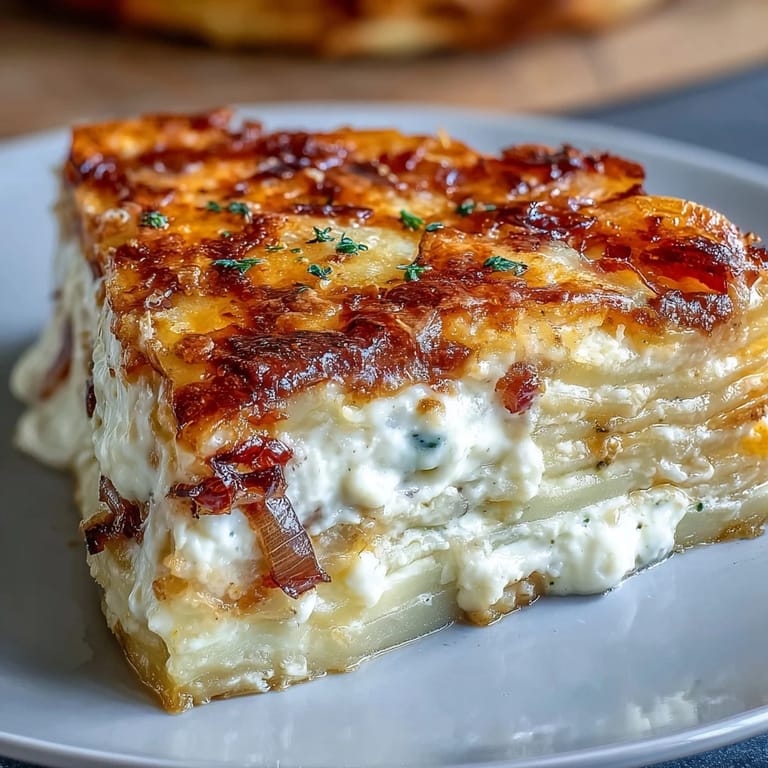
Pin This pie taught me that comfort food doesn't require complexity, just care and good ingredients. Every time I make it, someone asks for the recipe, and I realize that's the mark of something worth cooking again and again.
Recipe FAQ
- → Can I prepare this dish ahead of time?
Yes, you can assemble the pie up to 24 hours in advance. Cover tightly and refrigerate, then add 10-15 minutes to the covered baking time since it will be cold from the fridge.
- → What type of potatoes work best?
Floury potatoes like Maris Piper, Yukon Gold, or Russets are ideal as they become creamy and tender when baked. Waxy potatoes won't break down as well and may result in a firmer texture.
- → Can I substitute the cheeses?
Absolutely. Emmental, Swiss, or Comté work well in place of Gruyère. For the cheddar, any sharp or aged cheese will provide good flavor depth.
- → How do I know when the pie is fully cooked?
The top should be golden brown and bubbling around the edges. Pierce the center with a knife—the potatoes should be completely tender with no resistance.
- → What can I serve alongside this pie?
A crisp green salad with vinaigrette, steamed green beans, roasted vegetables, or sautéed spinach complement the richness perfectly. Crusty bread is also excellent for soaking up the creamy sauce.
- → Can I make this lighter or lower in calories?
You can use half-and-half instead of double cream and reduce the cheese quantities slightly. The dish will still be flavorful but less rich.