 Pin
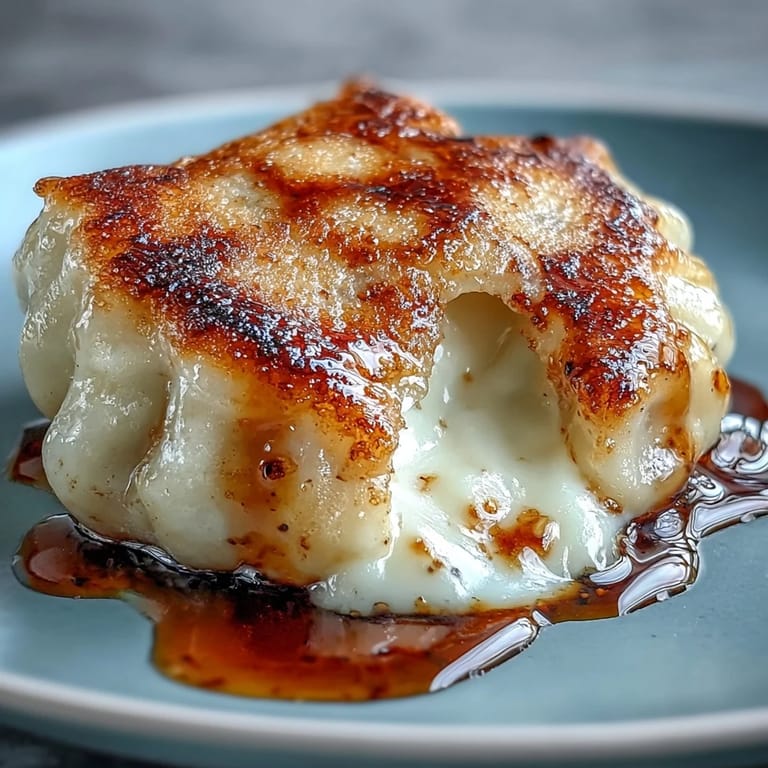
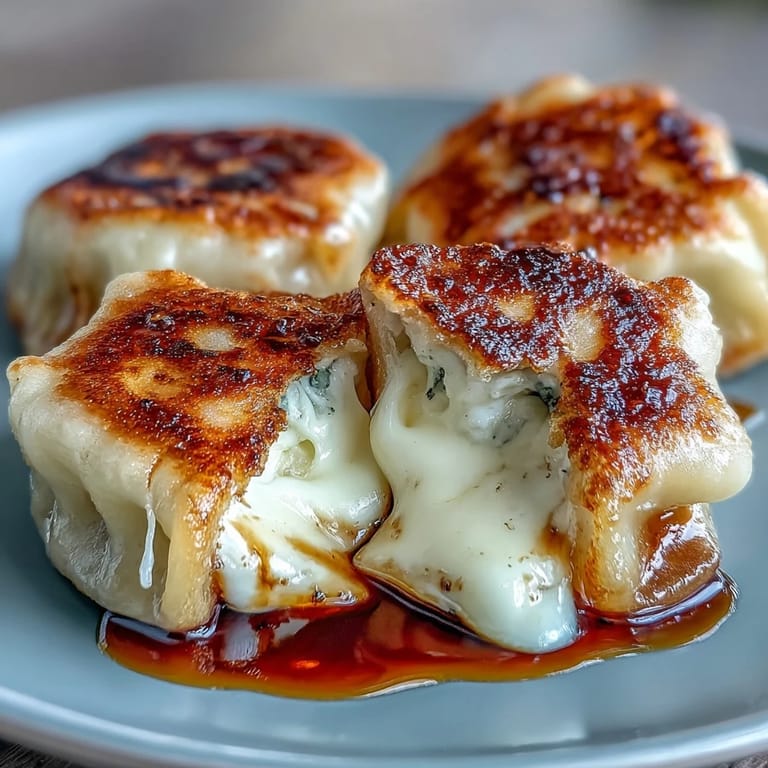
Pin My neighbor handed me a warm chīzu imomochi on a rainy Tuesday afternoon, and I understood immediately why she kept sneaking them as she cooked. The potato exterior gave way to melted cheese with the gentlest bite, and that soy-honey glaze caught the light like liquid amber. I spent the next week figuring out how to recreate that magic in my own kitchen, discovering that the secret wasn't complicated—just the right balance of soft and crispy, sweet and savory, and molten cheese at the center.
I made these for a potluck once without telling anyone what they were, and three people came back asking for the recipe before dessert. They're the kind of snack that surprises people—not quite a dumpling, not quite a fritter, but somehow exactly what you didn't know you were craving.
Ingredients
- Russet potatoes (400 g): The starch content in russets gives you that perfect chewy texture without needing lots of gluten—they're forgiving and reliable.
- Potato starch (60 g): This is what transforms soft mashed potatoes into dough you can actually handle; don't skip it, and keep extra nearby because humidity affects how much you'll need.
- Unsalted butter (1 tbsp): Added while potatoes are still steaming so it melts right in, creating that tender mouthfeel.
- Salt (½ tsp): Season as you taste—you can always add more, but you can't take it back.
- Mozzarella cheese (80 g): Fresh mozzarella cubes work best because they melt quickly and stay stretchy, though aged cheese gives a deeper flavor if you prefer richness over delicate melting.
- Soy sauce (2 tbsp): Use regular soy sauce unless you're cooking for someone with gluten concerns, then swap in tamari without hesitation.
- Honey (1½ tbsp): The sweetness balances the salt beautifully; if you have a darker honey, it adds complexity to the glaze.
- Mirin (1 tbsp): This gives the glaze that glossy, professional finish—it's worth hunting down in the Asian foods aisle.
- Rice vinegar (1 tsp): Just enough tang to keep the sauce from feeling flat and one-dimensional.
- Neutral oil (1 tbsp): Get something with a high smoke point so your dumplings brown evenly without burnt oil flavoring them.
Tired of Takeout? 🥡
Get 10 meals you can make faster than delivery arrives. Seriously.
One email. No spam. Unsubscribe anytime.
Instructions
- Boil the potatoes until completely tender:
- Fill a pot with salted water and bring it to a rolling boil, then add your chopped potatoes. You're looking for that moment when a fork slides through with almost no resistance—usually 12 to 15 minutes—because undercooked potato will make your dough gritty and frustrating.
- Mash everything smooth while it's still hot:
- Don't wait for the potatoes to cool down; the warmth helps everything combine silkily. Drain them well, mash thoroughly, then stir in the butter and salt while the steam is still rising—you'll feel when it's done because the mixture becomes uniform and creamy.
- Fold in the starch gradually and knead gently:
- Add the potato starch bit by bit, mixing between additions, because every potato has different moisture and you don't want to overshoot. Knead until the dough feels soft but not sticky, like it would hold a shape without leaving residue on your hands.
- Form the dumplings with cheese in the middle:
- Divide the dough into 8 portions, flatten each one, nestle a cheese cube in the center, then fold the edges up and seal by gently rolling it between your palms. If the dough is sticking, dust your hands lightly with starch.
- Pan-fry until every side is deep golden:
- Heat your oil over medium heat and place the dumplings carefully in the skillet, leaving space between them so they can brown instead of steam. Turn them with a spatula every couple of minutes so all the surfaces get golden and crispy, which takes about 6 to 8 minutes total.
- Make the glaze and toss everything together:
- Quickly whisk together the soy sauce, honey, mirin, and rice vinegar in a small bowl while the dumplings are still hot, then pour it into the skillet. Lower the heat to medium-low and gently toss the dumplings for a minute or two until the sauce reduces to a glossy coat that clings to every piece.
- Serve immediately while everything is still warm:
- Transfer to a plate and add whatever garnish calls to you—sliced scallions for freshness, toasted sesame seeds for nuttiness, or just the dumplings on their own if you want to taste the star of the show.
 Pin
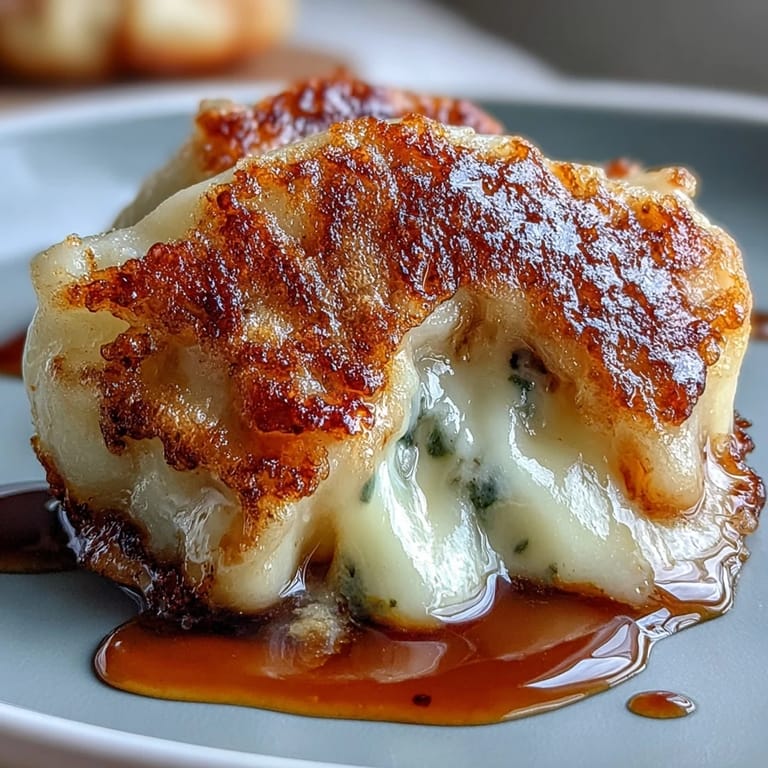
Pin There's something quietly joyful about watching someone's eyes light up when they taste that first warm dumpling and feel the cheese practically burst on their tongue. This dish has a way of turning a simple snack into a shared moment.
Customizing Your Cheese
While mozzarella gives you that classic melting experience, I've experimented with other cheeses and found each one tells a different story. Sharp cheddar makes them richer and more intense, while gouda brings a subtle sweetness that echoes the honey in the glaze. If you're feeling adventurous, a blend of mozzarella and a little sharp cheese gives you the best of both worlds—easy melting with deeper flavor.
The Sauce Matters More Than You'd Think
That soy-honey glaze isn't just a topping—it's the moment when these little dumplings transform from simple snack to something you can't stop eating. The balance between salty, sweet, and tangy is what makes them addictive, and getting that balance right means tasting as you go. If your glaze feels too sweet, add a touch more rice vinegar; if it's too salty, a little more honey smooths things out.
Timing and Temperature: The Real Secret
Everything about this dish is about catching the right moment—potatoes cooked through but not mushy, dumplings browned but not hard, glaze thickened but not burnt. Medium heat is your friend because it gives you time to react and adjust without racing against the clock. These dumplings are forgiving if you give them your attention, and impatient if you turn your back.
- Keep your oil at medium heat so the outsides brown slowly while the insides stay tender.
- Test one potato with a fork before draining the whole batch to avoid that grainy texture.
- Make the glaze while the dumplings cook so you can toss them immediately when they're done.
 Pin
Pin These dumplings remind me that some of the best things come from simple combinations and patient hands. Make them for someone you want to impress, or make them just for yourself and savor the quiet moment when you bite into that warm, melted center.
Recipe FAQ
- → Can I use a different type of cheese?
Yes, you can substitute mozzarella with cheddar, gouda, or any melting cheese you prefer for different flavor profiles.
- → What if I don't have potato starch?
Cornstarch works as an excellent substitute for potato starch in this preparation with similar binding results.
- → How do I prevent the dough from being too sticky?
If your dough feels too sticky to handle, gradually add more potato starch, one teaspoon at a time, until it reaches a workable consistency.
- → Can I make these ahead of time?
You can form the dumplings and refrigerate them covered for up to 24 hours before frying. Cook them straight from the refrigerator.
- → Is this dish gluten-free?
Yes, when made with gluten-free soy sauce or tamari, this dish is naturally gluten-free as it uses potato starch instead of wheat flour.
- → What can I serve with Chīzu Imomochi?
These pair wonderfully with a crisp green salad, pickled vegetables, or as part of a Japanese-inspired appetizer spread.