 Pin
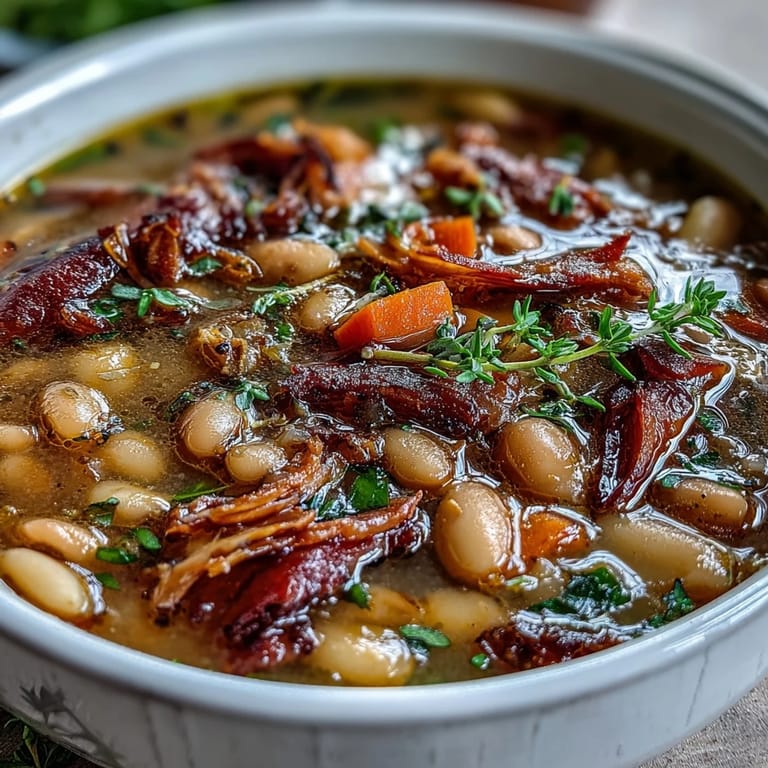
Pin My neighbor showed up on a gray November afternoon with a ham hock wrapped in butcher paper and a knowing smile. She'd been watching me fumble through weeknight dinners for weeks and decided I needed this soup in my life. By the next day, my kitchen smelled like comfort itself, and I finally understood why her family gathered around a bowl of this every fall.
I made this for my book club one January when everyone was exhausted from the holidays. As soon as I poured it into bowls and set down the crusty bread, the whole room went quiet except for happy spoon sounds. That's when I knew it wasn't just soup, it was permission to slow down.
Ingredients
- Dried navy beans (1 pound): These small white beans are the backbone, becoming creamy and tender as they simmer with the ham. Rinsing them first removes any dust, and soaking overnight (or using the quick soak method) saves cooking time and helps with digestion.
- Smoked ham hock or diced cooked ham (1 pound): The ham hock gives the broth incredible depth and smokiness as it cooks, then shreds into tender meat you stir back in. If you use pre-cooked diced ham, add it near the end so it doesn't fall apart.
- Yellow onion, carrots, and celery (1 large onion, 2 medium carrots, 2 celery stalks): This holy trinity is your flavor foundation, softening into the broth and building a savory base that makes everything taste like home.
- Garlic (3 cloves, minced): Just a minute of cooking releases its fragrance and adds a gentle warmth that ties the whole dish together.
- Low-sodium chicken broth (8 cups): This lets the ham and thyme shine without overpowering the soup, and you can always taste and adjust salt at the end.
- Fresh thyme (2 sprigs) or dried (1 teaspoon): Fresh thyme has a brightness that dried can't quite match, though both work. Those little leaves infuse the broth with an herbal note that makes the soup taste intentional.
- Bay leaves (2): They add earthiness without announcing themselves, which is exactly how good seasoning should work.
- Freshly ground black pepper (1 teaspoon) and salt (to taste): Freshly ground pepper tastes alive compared to pre-ground, and you'll notice the difference in every spoonful.
- Fresh parsley (2 tablespoons, optional) and crusty bread: A scatter of parsley adds a pop of color and freshness right before serving, while bread is less optional than you might think for soaking up every drop.
Tired of Takeout? 🥡
Get 10 meals you can make faster than delivery arrives. Seriously.
One email. No spam. Unsubscribe anytime.
Instructions
- Soak your beans (optional but worth it):
- If you have time, place beans in a bowl and cover with water overnight, then drain and rinse. If you're short on time, the quick soak method works just as well: boil them for 5 minutes, let them sit off heat for an hour, then drain. Either way, your beans will cook more evenly and the soup will have better texture.
- Build your flavor base:
- Heat a splash of oil in your Dutch oven over medium heat and add the onion, carrots, and celery. Let them soften for about 5 minutes, stirring occasionally so they release their natural sweetness and create that savory foundation.
- Wake up the garlic:
- Stir in your minced garlic and cook for just about 1 minute, until the kitchen smells like something wonderful is about to happen. Don't let it brown or it'll turn bitter.
- Bring it all together:
- Add your drained beans, ham hock, chicken broth, fresh thyme sprigs, bay leaves, and black pepper. Stir everything so the beans are settled in the broth and nothing sticks to the bottom.
- Let it simmer gently:
- Bring to a boil, then lower the heat to a gentle bubble and cover the pot. Set a timer for about 90 minutes, checking occasionally to make sure it's simmering quietly, not boiling aggressively. The beans should be tender and starting to break down at the edges.
- Finish the ham:
- Carefully remove the ham hock, let it cool slightly, then pull away the skin and bone and shred any meat back into the pot. This meat is tender and smoky and deserves every bit of broth it touches.
- Season and serve:
- Fish out and discard the thyme sprigs and bay leaves. Taste a spoonful and add salt and pepper until it tastes like something you'd want to eat on a cold day. Ladle into bowls, scatter with fresh parsley if you have it, and serve with crusty bread for the bread-soaking moment that makes this meal complete.
 Pin
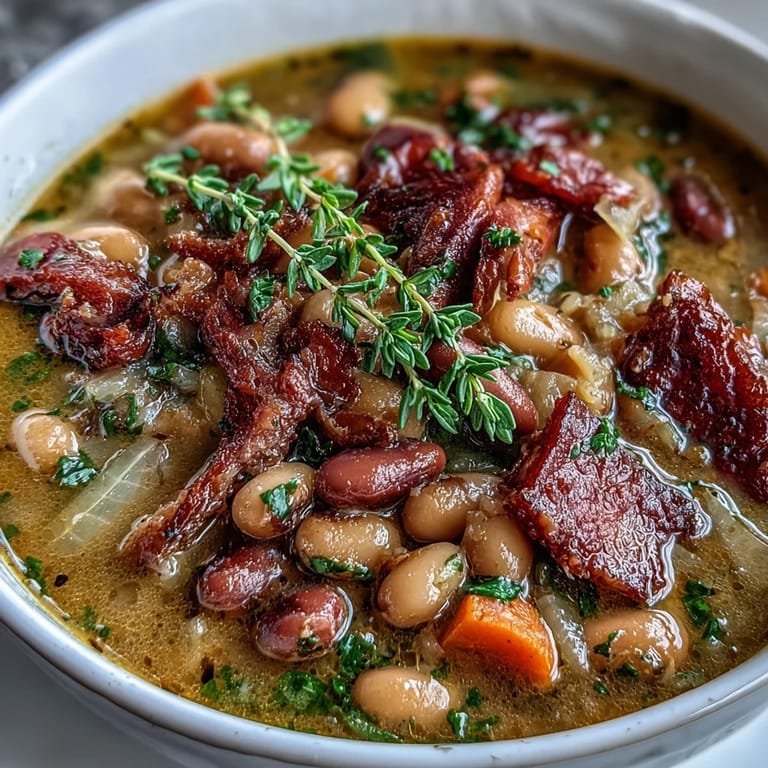
Pin There's a moment during the last 20 minutes of simmering when the smell gets so good you can barely stand to wait, and you catch yourself just standing in front of the stove. That's exactly when you know this soup is doing what it's supposed to do.
The Soul of Soaking
I used to skip soaking beans until a friend pointed out that beans have their own timeline, and rushing them leads to mushy soup and hard beans somehow at the same time. Whether you soak overnight or use the quick method, you're giving the beans a head start so they cook evenly and the broth stays clear instead of cloudy.
When to Use Canned Beans (and Why Sometimes You Should)
One busy Tuesday I grabbed three cans of navy beans instead of dried, and honestly, it worked. The soup came together in 45 minutes, the beans were already tender, and nobody could tell the difference in the final bowl. If that's your reality some nights, use canned beans, drain and rinse them well, and reduce the simmering time to just 20 minutes so everything heats through.
Beyond the Basic Recipe
Once you master the base, this soup becomes a canvas for whatever you have on hand or whatever your mood calls for. A handful of spinach wilts into the hot broth at the very end, or a splash of apple cider vinegar or hot sauce adds brightness if the soup feels too heavy.
- Try smoked turkey leg or sausage if you want to switch things up from ham.
- Mash some of the cooked beans right in the pot if you prefer a creamier, thicker soup.
- A squeeze of fresh lemon juice right before serving transforms the whole flavor profile into something brighter and more alive.
 Pin
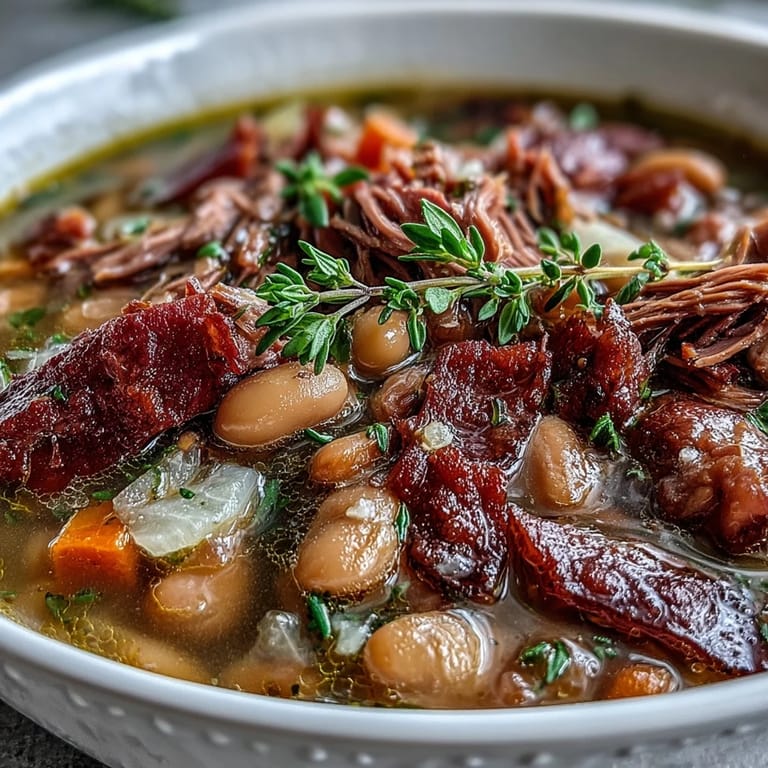
Pin This is the kind of soup that reminds you why people have been making it for generations, and why sometimes the simplest ingredients create the most lasting memories. Serve it with someone you care about and watch what happens.
Recipe FAQ
- → Can I use quick-soak beans instead of overnight soaking?
Yes, quick soaking by boiling the beans for 5 minutes then letting them sit for an hour works well to reduce cooking time.
- → What can I substitute for ham in this dish?
Smoked turkey leg or sausage are great alternatives that will maintain the smoky, savory flavor profile.
- → How can I achieve a creamier texture?
Mashing some of the beans in the pot after cooking will add richness and thickness to the broth.
- → Is this dish suitable for gluten-free diets?
Ensure the ham and broth used are gluten-free, and avoid serving with bread unless gluten-free options are chosen.
- → What herbs enhance the flavor?
Fresh thyme and bay leaves provide aromatic depth, while optional parsley adds a fresh finish.
- → Can I freeze leftovers?
Yes, this dish freezes well for up to three months, maintaining its flavor and texture when reheated.